Search Results
4113 results for “ear pH”

Why Your Dog Keeps Changing Sleeping Spots
If your dog keeps getting up and switching spots through the night, it usually means something is unsettling them. The most common reasons are an unfamiliar environment with no sense of security, separation anxiety after boarding or time away from you, nervousness triggered by strangers or new pets in the home, or an underlying physical problem that causes pain. Most cases improve with a stable routine and a safe, comfortable den, but restless sleep joined by other symptoms can point to illness and deserves a vet check. Watch closely and respond early.

Why Cats Pee on the Bed and How to Stop It
Bed-peeing falls into three types: normal inappropriate elimination, stress peeing (literally scared into it), and urine marking (spraying). You can tell them apart by the stain—round with digging for normal, a few drops with no digging for stress, and a vertical streak with raised hips for marking. Clean with enzymes to remove the scent pheromone that invites re-marking, spray deterrent, then fix the root cause: litter training, reducing fear through socialization, and easing the anxious, rejected cat.

Stopping Your Cat from Scratching Furniture
A new cat owner's nightmare is shredded sofa, but scratching is instinct you can't stop—only redirect. Cats scratch to sharpen claws (shedding old keratin) and to leave scent from paw glands for security, and sometimes to demand attention. Correct by teaching 'don't' with instant, firm interruption, supplying scratching posts near the furniture, and protecting pieces with anti-scratch film or deterrent spray. Education comes first; barriers are backup.

What to Do If Your Dog or Cat Has Tapeworms
Many species of tapeworms parasitize dogs and cats, and the adult worms seriously harm their health, while the larval stages often use livestock or humans as intermediate hosts, threatening both animals and people. Common species include Dipylidium caninum, Taenia spp., Echinococcus granulosus, Mesocestoides, Spirometra mansoni, and Diphyllobothrium. Infection causes intestinal inflammation, malnutrition, and in severe cases intestinal blockage, with signs like vomiting, diarrhea, weight loss, and odd behavior. Diagnosis relies on clinical signs plus fecal egg exams. Prevention means regular deworming, not feeding raw offal, and controlling fleas. Treatment uses praziquantel (5 mg/kg dogs, 2 mg/kg cats), arecoline hydrobromide, bunamidine, or fenbendazole under veterinary guidance. Because some tapeworms (like Echinococcus) also endanger human health, prompt and correct control matters.

Why Does My Cat Always Lie Down? Understanding Feline Arthritis
If your cat spends most of its time lying down, walks with a limp, or refuses to be touched on the hind legs, it may be suffering from arthritis—a condition that affects up to 90% of cats as they age. Arthritis is the inflammation and degeneration of joint cartilage, most often secondary (degenerative) arthritis, which worsens as cats grow older. Cats are masters at hiding pain, so signs like reluctance to jump, reduced grooming, increased sleeping, and irritability can easily go unnoticed. Causes include aging, genetics, obesity, injury, and acromegaly. Treatment combines veterinarian-supervised medication (NSAIDs such as meloxicam), weight management with omega-3 and glucosamine supplements, and environmental adjustments like steps and soft bedding. Prevention starts with a healthy diet and keeping your cat lean.

5 Things to Prepare Before Bringing a Cat Home
Bringing a cat home is a long-term commitment, so before you do, make sure you are truly ready to welcome a new life into your care. Preparation makes all the difference to your cat's smooth transition. First, learn the basics of feline care and, above all, prepare yourself mentally. Understand your cat's usual diet from the previous owner and avoid sudden food changes that can cause diarrhea or vomiting. Set up a quiet, cozy sleeping area, a generously sized litter box with the litter your cat prefers, and plenty of scratching posts and toys to prevent furniture damage. Choose a sturdy, well-ventilated carrier for trips. When your cat first arrives, give it time to adjust to unfamiliar smells—never force it out of hiding, and if it refuses food for more than three days, see a vet.

How to Prevent Tape-Sticking Stress in Cats
If a cat steps on tape or gets sticky paper on a front paw, it shakes the limb frantically, panics, and bolts—because the paw pads are vital for shock absorption, sweat-cooling, scent marking, and balance. Losing that sense is disorienting, even nauseating. You can desensitize the cat with gradual training: while petting to keep it calm, wrap tape on the paws, then soothe until it stops shaking, repeating until it calmly removes the tape with its mouth. Household 'sticky traps' then cause far less chaos—and less furniture damage.

The Hidden Meanings in Your Cat’s Tail
A cat's tail is a rich mood telegraph. A tail held high and quivering while the cat rubs on you is pure trust and affection (it recalls mother cats stimulating kittens to eliminate). A still tail with a hooked tip means content and relaxed; an upward wag while weaving around you is begging like a dog; a low or tucked tail signals fear; a tail sweeping the floor means alert and about to act; a puffed, thrashing tail is a clear 'back off' before attack. When the tail is perfectly still, the cat trusts you most—like family.
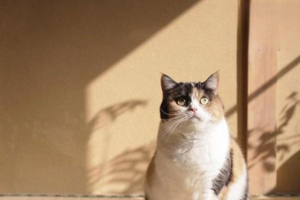
What to Do When Your Cat Becomes Lethargic?
Cats are naturally quiet companions, but a sudden loss of energy is a signal worth attention. The two main reasons are emotional and physical: a cat left alone too long can grow depressed and withdrawn, while illness—from a simple cold to oral, skin, or stomach problems—drains its spark. Because lethargy is a common early sign of disease, owners should look for other clues and act. This guide explains why cats go listless and how daily companionship plus prompt veterinary care can bring your lively cat back.
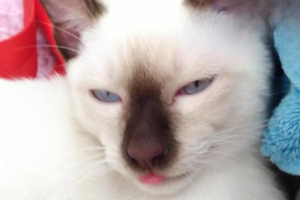
Why Cats Get the “Poop Zoomies”
That burst of speed and chaos right after a cat uses the litter box has a name: the "poop zoomies." It is just a behavior, not a disease, and is common in cats but not dogs. No treatment is needed — though if it knocks things over, move the box somewhere safer. Watch for look-alike conditions: hyperthyroidism in older cats (hyperactive at other times too, eating more but losing weight) or pain on elimination from cystitis or blocked urethra. The zoomies likely trace to a wild instinct — the litter box is the most vulnerable moment, so run fast afterward.