Search Results
4113 results for “ear pH”

Dealing With Heavy Spring Shedding
In the shedding season cats are walking dandelions as they swap coats for the new climate. Fight it four ways: brush daily with a multi-tooth pin brush (gentle, so the cat learns to love it); bathe monthly with cat-specific shampoo and dry thoroughly; feed a balanced diet with skin-support nutrients like omega-3/6; and use a hairball gel (a gut lubricant, not a dissolver) instead of inducing vomit with cat grass, which can inflame the esophagus and trigger pancreatitis.

How to Avoid Getting Scratched by Your Cat
The core idea is status: if the cat knows you rank above it, it accepts your rules. Trim nails to avoid accidental scratches—do it while the cat is calm, in a quiet room, ideally with a second person offering treats. Keep respect through feeding (don't overfill) and immediate, non-hand punishment for bad behavior. Keep physical and emotional distance during play, use a laser pointer, and train obedience so the cat follows your lead instead of attacking.

6 Signs Your Dog Isn’t Getting Enough Exercise
A dog's exercise need depends on breed, age, and size. Some dogs play hard outdoors daily; others only stroll the neighborhood—but every dog needs a sensible amount of activity. So how do you know yours is under-exercised? Watch for six signs: destruction (a normally calm adult wrecking the home needs an outlet, not a beating); rough play (an usually gentle dog throwing its whole weight around with others); obesity (too much food, too little movement—common in seniors, though sudden weight gain can signal illness); restlessness (pacing at night, especially in small breeds that still need 10–20 minutes of indoor play); excessive barking (pent-up energy venting as noise); and lethargy (a depressed, uninterested dog). Puppies need several 5–10 minute sessions; adults 30–60+ minutes (or under 30–60 for low-need breeds); seniors 2–3 sessions of about 30 minutes. Remember: for most dogs exercise is a walk, but don't ignore mental stimulation—especially for dogs that can't go out.
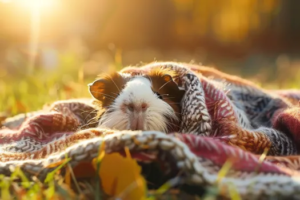
Hamster Heatstroke: Signs and First Aid
Hamsters tolerate heat better than some small pets, but a sustained hot spell can still overcome them, and heatstroke is fast and dangerous. Early signs are deceptive—frantic racing—but they quickly give way to lethargy, rapid breathing, and collapse, and an untreated hamster can die within half an hour. Quick cooling and fluids are the difference. This guide explains how to recognize heatstroke and the step-by-step first aid that can save your hamster.

How Should Dogs Eat Carrots?
Carrots are a great low-calorie treat for dogs—100 g has only 32 kcal and good palatability, so even a dog on a diet can learn to love them. They are rich in antioxidants alpha- and beta-carotene, which convert to vitamin A, potassium, fiber, and other nutrients. Vitamin A aids vision (especially in senior dogs), immunity, and skin health; vitamin B6 helps turn carbs, fat, and protein into energy; and the high fiber supports healthy digestion and stools. One rule: never feed raw carrots—dogs can't absorb the vitamin A in raw carrots, so it is wasted. Cook them: steaming is best (boiling works too), because breaking the cell walls makes nutrients easier to absorb. You do not need to fry them in oil; carotene is fat-soluble, but absorption happens in the intestine, so any fat already in the meal is enough. Feed in moderation based on size and digestion—a Yorkshire Terrier needs only about 1–2 thin slices a day.

Choosing the Right Cat Litter
Cat litters split into non-biodegradable (inorganic) and biodegradable (organic). Inorganic: fuller's earth (clay, non-clumping, but flushable), bentonite (clumps well but dusty and heavy, fragrance-added), silica/crystal (absorbent, low clumping; some have cobalt chloride or pH indicators—avoid long-term cobalt use), ceramic and zeolite (reusable, need a double box). Organic: plant litters (pine, paper) and grain litters (tofu, corn, wheat)—light, flushable, clumping, but watch mold/mycotoxin risk and don't believe 'edible' claims. Pick by your cat's needs and a flushable, low-dust preference.

How to Tell If Your Cat Has Feline Rhinotracheitis (Cat Flu)
Cat flu and a common cold look alike, which leaves many owners unsure whether their cat has feline rhinotracheitis — an infection caused by the feline herpesvirus. The reliable approach is twofold: watch the symptoms and confirm with a test. Early signs are subtle — sneezing, a runny nose, watery eyes, low appetite, no fever — while the active phase brings a high temperature near 40°C, persistent coughing and sneezing, and thick eye and nose discharge. A test strip or a PCR check at the clinic confirms it, but the result must be read alongside the symptoms.

Keep These Cleaning Products Away from Your Dog
Household cleaners carry more hazardous chemicals than you think, and they are far worse for dogs. Dogs spend nearly all their time on the floor, touching cleaners directly and absorbing them through paw pads and skin; even off the floor, their keen noses inhale the toxins. Five chemical groups to watch: ammonia (toxic, irritates the respiratory system; in glass/stainless cleaners, floor wax)—seek vet care if ingested. Chlorine/bleach (vomiting, diarrhea, burns, even seizures; in toilet/mold cleaners, detergent). Phthalates (linked to liver, testicular, pancreatic tumors; in nail polish, hairspray, soap, shampoo—avoid in dog toys). Glycol ethers (liver, nerve, digestive harm; in multipurpose/carpet/glass cleaners, hand soap; even 'natural' ones). Formaldehyde (irritates eyes/skin, slows breathing; in perfume, tissues, hand soap, nail polish). Also avoid 84 disinfectant (bleach-based, corrosive, causes chronic rhinitis).

Your Dog’s Pica (Eating Non-Food) Is Simpler Than You Think
Pica is when a dog eats non-food items. Some dogs fixate on one object; others eat all sorts of strange things. It is dangerous because what they swallow usually stays in the gut undigested or disrupts digestion. Pica is not the same as eating feces—that common behavior is not classified as pica and is no cause for alarm. Causes range from simple hunger, poor nutrition, and hormonal imbalance to diabetes, thyroid disease, and even separation anxiety or stress (some breeds like Labradors are more prone). Diagnosis needs blood, stool, and urine tests, with no guarantee of an answer. Treatment depends on the cause: physical pica with digestive upset may improve by splitting two large meals into 3–4 small ones plus deworming and nutrition; psychological pica needs patient, cumulative retraining. Above all, do not blindly dose supplements—every dog's pica has a different cause.

Disinfecting Your Cat’s Living Environment
A clean home needs routine disinfection: it curbs bacteria and odor and prevents disease. Some pathogens survive in the environment for months to years, causing repeat infection. Daily disinfection targets dishes (wash daily), beds, toys, and usual spots (weekly is fine—a little germ exposure builds resistance). Use mild agents (quaternary ammonium, potassium monopersulfate) and rinse twice after. When a cat is sick with panleukopenia, calicivirus, or ringworm, step up to a strong disinfectant for a thorough 'pathogenic' clean.