Search Results
4113 results for “ear pH”

How to Treat and Prevent Water Mold Disease in Turtles
Water mold disease (saprolegniasis), caused by Saprolegnia and Achlya fungi, is a common illness in aquatic turtles that usually strikes during overwintering and spring. Infected turtles may lose appetite, grow weak, and develop gray-white patches and fuzzy white growths on the skin; severe cases lead to emaciation, swelling, skin ulcers, and even death from exhaustion. Because the fungus is widespread in water and hard to eliminate, prevention focuses on keeping the turtle injury-free, maintaining water temperature around 28–30°C, and providing regular sunlight. If infection occurs, dry-docking the turtle with short daily soaking, applying povidone-iodine for disinfection, and using a pet-safe antibacterial ointment on affected areas can aid recovery.
What breed is this dog from my hometown?
The dog in the photo appears to be a Corgi mixed with another breed. A 'mixed breed' is the general term for crossbred dogs or those without distinct breed characteristics — not a specific breed, with impure genetics. Despite lacking a pure pedigree, mixed breeds tend to have stronger immunity and are lively and loyal.
How good is a Labrador’s sense of smell?
Labradors have an extremely keen sense of smell. Bred as retrieving gun dogs, they locate and fetch game by scent, and today are widely trained as guide dogs, police dogs, and search-and-rescue dogs. They are also intelligent, gentle, and friendly family pets, though their high energy means they need daily walks and play.

Why Does Your Kitten Swallow Food Without Chewing?
Cats barely chew—and that's normal. Their wild ancestors tore prey into chunks and swallowed fast to avoid theft, and their teeth shear rather than grind. The risks are real, though: eating too fast brings vomiting, choking, and more tartar. Teach chewing with chew treats and slow-feeder bowls, switch to dental kibble or softened food, and give a calm, separate eating spot plus regular toothbrushing to protect oral health.

Canine Hip Dysplasia: A ‘Destiny’ for Large Breeds?
Hip dysplasia is a hereditary joint fault where the ball and socket fit poorly, loosening the joint and eventually causing arthritis. Large breeds like Golden, Lab, and Shepherd are most at risk. Early signs are subtle—occasional hind-limb limping, slow rising, reluctance on stairs—while advanced cases show a swaying gait and muscle loss. X-rays and PennHIP confirm it; weight control, gentle exercise, joint supplements, and vet-guided pain care slow its course.
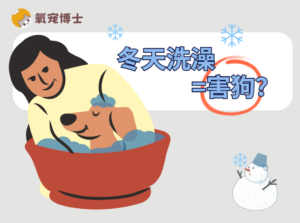
Can You Bathe Your Dog in Winter? Yes—With These 3 Points
Winter bathing isn't forbidden—it's about method. Bathe too often or not at all both cause problems, and human products harm a dog's skin. Choose the warmest midday hour, preheat the room to 25–28°C, keep the whole wash to 10–15 minutes at 38–40°C water, then dry thoroughly. Rest indoors an hour or two before going out, and a warm, clean coat keeps your dog healthy and close to you.

What Is Chondroitin for Dogs, and Who Needs It?
Chondroitin, or chondroitin sulfate, is a natural compound in cartilage that feeds joint cells, locks in joint fluid, and calms inflammation. Healthy young dogs get enough from food, but seniors, large breeds, dogs with joint-prone genetics, the obese, and hard-working dogs benefit from supplements—ideally paired with glucosamine and omega-3. It supports, not replaces, veterinary care for real joint pain.
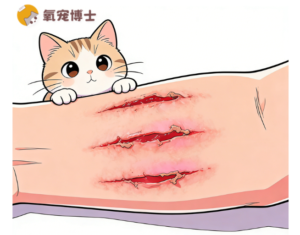
Cat Scratch Disease: A Zoonosis You Should Know
Cat scratch disease is a bacterial infection from Bartonella henselae, passed mainly by a cat's scratch or bite. Cats carry it without symptoms, but people can develop a red bump, swollen lymph nodes, and fever. Most cases are mild and self-limiting, yet antibiotics help when symptoms are strong. Wash any scratch well, and see a doctor if signs appear—especially for children and the immunocompromised.

Why Is Your Calm Dog Suddenly Barking So Much?
A dog that suddenly won't stop barking is communicating something. The cause may be physical pain, psychological stress like separation anxiety, or unmet needs for food, attention, or exercise. Rule out illness first—limping, vomiting, or appetite loss mean a vet visit—then ease anxiety with gradual alone-time training, a quiet safe corner, and reward-based calm. Patience beats punishment, which only makes it worse.

Popular Dog Breeds: Pros and Cons at a Glance
Choosing a dog means weighing temperament, exercise needs, grooming, and health risks against your lifestyle. From the gentle, trainable Golden and Lab to the stubborn, shedding Husky and Samoyed, and from compact Corgis and Pugs to tiny Bichons and Yorkies, every breed trades one challenge for another. There is no perfect dog—only the right match. Know the trade-offs before you commit.