Search Results
476 results for “doe rabbit”

Rabbit Won’t Open One Eye and Has White Discharge — What’s Wrong?
A rabbit that cannot open one eye, with white discharge, is usually suffering 'heat' from salty human food, eye inflammation, or dust irritation. Clean the eye first, then switch to a plain hay-and-pellet diet; for inflammation, apply rabbit eye drops (e.g., Tu Mu Qing) 1–2× daily with an Elizabethan collar. Keep the hutch clean to stop dust from re-irritating the eye.

What to Do When Your Rabbit Has an Abscess
A rabbit abscess usually means Staphylococcus and can turn serious, even fatal, if the skin damage is wide. For a small one, wait until it ripens, then lance it (sterilized blade, ~1 cm cut), squeeze out all pus, flush with iodine or disinfectant, and follow with one antibiotic shot. The real fix is prevention: a subcutaneous Staph vaccine every 4–6 months, which also guards against mastitis and septicemia.

How to Improve a Buck Rabbit’s Breeding Performance
Improving a buck's breeding performance starts with selection — strong libido, even testicles, stable three-generation genetics, and no cryptorchidism — plus controlled mating (2–3/day with rest days) and a balanced, protein-rich ration raised before breeding. Avoid inbreeding, keep the herd mainly 1–3 years old, and watch temperature: over 30 °C or under 5 °C tanks fertility.
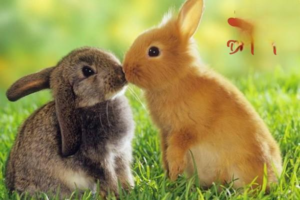
The Benefits of Keeping a Pet Rabbit
Pet rabbits — dwarves, lops, Dutch and more, under 2.5 kg, living 7–10 years — are gentle, nearly odorless, quiet, and smart enough to learn their name and litter habits, making calm nocturnal companions. Keep them in a half-meter cage in an open spot, and feed mainly hay plus quality pellets (no fresh food under 2 months; hay as the adult staple). Bonding takes effort, but the reward is years of quiet company.

Autumn Rabbit Care: Preventing Illness and Boosting Conception
Autumn is prime breeding season but brings low conception (summer heat hurt sperm quality, bucks are listless) and big day-night temperature swings that trigger colds and enteritis. Win it with six moves: rebuild condition a month early, select and refresh breeders, induce heat (physical or vitamin E/iodine/epimedium), mate at dawn/dusk with double coverage, vaccinate and keep the hutch dry, and ensure 10+ hours of light.

How to Balance a Rabbit’s Feed
Feed cost is a big share of rabbit raising, so matching feed to the animal's needs pays off. Protein and crude fiber must sit in the right range for each life stage, and shortfalls of phosphorus, magnesium, manganese, or vitamins A, D, and E directly undermine breeding success.

What Makes Autumn Rabbit Breeding Hard
Autumn breeding is toughest in early fall, when summer heat has suppressed buck sperm (which then needs 50–60 days to mature again) — so aim for October–November. Success also hinges on managing molt, weight, light, nutrition, and disease.
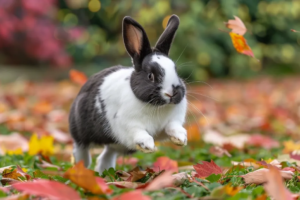
3 Essential Skills Every Rabbit Owner Should Know
Three rabbit-keeping skills pay off: pick the animal up by the scruff with hindquarter support (never the ears — that harms hearing and heat loss), read heat signs (reduced appetite, stamping, and a pink→red→purple vulva, with red meaning peak fertility), and give injections — mostly subcutaneous at the neck, intramuscular in the hindquarters, or intravenous in the ear. Hesitation with shots delays treatment.

Understanding Normal Rabbit Behaviors
Knowing a rabbit's normal behaviors helps breeders spot problems early and respond in time. Key patterns include feeding and drinking, nursing, cecotrophe (soft stool) eating, and territorial marking. Recognizing what is typical versus abnormal is essential to rabbit health and productive husbandry.

How to Assist Rabbit Mating and Pregnancy Checks
Successful rabbit breeding depends on timely, supervised mating—move the doe into the buck's cage at mid-estrus and return both rabbits afterward. Pregnancy is best confirmed by careful abdominal palpation 8–10 days post-mating. Good technique directly raises your herd's reproduction rate and profitability.