Search Results
2728 results for “coat color”

How to Choose a Cat Breed
A 'pedigree' cat is one shaped by planned crosses and recognized by a registry—largely a commercial matter. Common breeds: American Shorthair (sturdy, calm), British Shorthair (round face, sweet), Chinese Li Hua (independent, a great mouser), Siamese (vocal, clever), Persian (long-haired, gentle), Exotic (flat face, prone to breathing/eye issues), Norwegian Forest and Maine Coon (large, adventurous, not ideal strictly indoors), and Ragdoll. Match temperament and your home to the cat, and beware breeds with known genetic problems.

How to Bathe a Guinea Pig
Guinea pigs are cute and soft, but their long coats collect dust and bacteria, so occasional cleaning is part of good care. Most of the time a spot clean with dry shampoo or a damp cloth is enough, and a full bath with pet shampoo is only needed when they are smelly or dirty. Done gently and kept short, bath time is safe and stress-free. This guide walks through the bathing steps and the key cautions—including why dust baths, beloved by hamsters, are wrong for guinea pigs.

How to Give Your Cat a Pill
Whether for deworming or illness, you'll likely need to medicate your cat, and the first time is the hardest—practice makes it easy. Three methods: by hand (best for tablets or capsules, using the cat's natural 1–2 second mouth-open window), with a pill device (safer for beginners, handles solids and liquids), and mixed into food (not recommended, since it can change efficacy and the cat may refuse). If you truly can't manage it, let the vet do it to avoid delaying treatment.

How to Tell If Your Cat Has Parasites
Kittens often get parasites from mother's milk; adults pick up eggs or infected prey. Knowing the warning signs lets you act early. External parasites are visible: itching, hair loss, lice clinging to skin, white flea eggs, and black specks (flea dirt) that turn red in water—which also hints at tapeworm, since fleas host it. Internal parasites show as dull coat, pale gums (anemia), tarry stool, vomiting, appetite loss, swollen belly, lethargy, or visible worms/segments in stool. See an online vet or clinic for a test.

Helping Your Cat Enjoy Bath Time
Cats don't strictly need baths, but a clingy, bed-sharing cat benefits from routine washing for hygiene. Avoid bathing kittens under 3 months, within a week of vaccines or travel/moves, or in cold weather. Prep by trimming nails a day ahead and using cat shampoo (not human—licking it can poison). Wash in a secure bathroom, wet and lather, rinse with a gentle warm spray avoiding eyes/ears, towel-dry, then use a low, quiet dryer. Build tolerance slowly: let the cat explore an empty tub with treats, then shallow water, and it may even ask for summer cool-down baths.
The Complete Guide to Brushing Your Cat
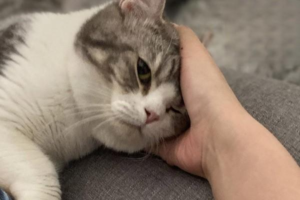
Brushing is essential: it prevents hairballs by removing loose fur, keeps the home cleaner, lets you spot skin problems or parasites early, and strengthens your bond. Pick longer teeth for long-haired cats (rake comb, long-pin slicker) and short, rounded tips for short-haired cats. The seven common comb types each have a job — de-matting, de-shedding, fleas. Brush gently with the coat, about 15 minutes per session, and make it a calm, rewarding experience so your cat learns to enjoy it.

What to Do If Your Dog or Cat Has Tapeworms
Many species of tapeworms parasitize dogs and cats, and the adult worms seriously harm their health, while the larval stages often use livestock or humans as intermediate hosts, threatening both animals and people. Common species include Dipylidium caninum, Taenia spp., Echinococcus granulosus, Mesocestoides, Spirometra mansoni, and Diphyllobothrium. Infection causes intestinal inflammation, malnutrition, and in severe cases intestinal blockage, with signs like vomiting, diarrhea, weight loss, and odd behavior. Diagnosis relies on clinical signs plus fecal egg exams. Prevention means regular deworming, not feeding raw offal, and controlling fleas. Treatment uses praziquantel (5 mg/kg dogs, 2 mg/kg cats), arecoline hydrobromide, bunamidine, or fenbendazole under veterinary guidance. Because some tapeworms (like Echinococcus) also endanger human health, prompt and correct control matters.

The ‘Sandwich’ Training Trick to Make Your Cat Cooperate
The 'sandwich' method borrows a conversation technique of praise–criticism–praise and applies the same pattern to cat training. Once you master it, tasks your cat used to resist—giving pills, trimming nails, brushing, detangling—will be met with cooperation. The principle is simple: first do something your cat loves (play, treats); then quickly perform the 'scary' procedure (pilling, etc.); and finally end with something it loves again. Learn what your cat enjoys—chin scratches, baby food, laser pointers, catnip—and identify the procedures it fears, from nail trims to temperature checks. With patience you will discover its motivators, and over time the 'scary' routines lose their fright. A small tip: for long procedures like nail trimming, give a full sandwich after each single nail.

Why Does My Cat Always Lie Down? Understanding Feline Arthritis
If your cat spends most of its time lying down, walks with a limp, or refuses to be touched on the hind legs, it may be suffering from arthritis—a condition that affects up to 90% of cats as they age. Arthritis is the inflammation and degeneration of joint cartilage, most often secondary (degenerative) arthritis, which worsens as cats grow older. Cats are masters at hiding pain, so signs like reluctance to jump, reduced grooming, increased sleeping, and irritability can easily go unnoticed. Causes include aging, genetics, obesity, injury, and acromegaly. Treatment combines veterinarian-supervised medication (NSAIDs such as meloxicam), weight management with omega-3 and glucosamine supplements, and environmental adjustments like steps and soft bedding. Prevention starts with a healthy diet and keeping your cat lean.

Is a ‘Bald’ Spot on Your Cat’s Head a Sign of Stress?
Owners sometimes notice thinner fur on the sides of a cat's head (between the eyes and ears), especially in short-haired cats, and worry the cat is going bald from stress. Usually it's normal: those are scent-gland areas where many cats naturally have sparser coats. But hair loss can also be pathological—most often ear mites or ringworm. Ear mites leave dark brown discharge and itch; ringworm is a fungal infection causing round bald patches with redness and flaking. Compare the signs and see a vet early, isolating the cat if you have several.