Search Results
2728 results for “coat color”

Can Cats Get Heatstroke?
Like people, cats can suffer heatstroke if they can't cool down in hot weather—flat-faced breeds (Exotic, Persian), older cats, and overweight cats are at higher risk. Above 32°C is very hot for a cat; above 40°C is dangerous. Cats cool mainly through paw-pad sweat, panting, and saliva evaporation, so help them with plenty of water, cool tiles, shade, air conditioning (a fan alone does little), and trimmed paw fur. Watch for prolonged panting with bright-red gums, drooling, vomiting, and weakness—and get to a vet fast.
Why Does My Cat Foam at the Mouth After Taking Medicine?
It can be alarming to see your cat drool foamy saliva right after a dose of medication. In most cases this is a normal defensive reaction rather than a medical emergency. Cat medicines are usually bitter and lack the sugar coating found on many human pills, so the unpleasant taste alone can trigger gagging and vomiting. Some drugs are also physically irritating to the stomach lining, especially when given on an empty stomach. Understanding the two main causes—bitterness and gastric irritation—helps you give medicine more comfortably and know when foaming is simply a passing reaction versus a sign you should slow down and check with your veterinarian.

Helping Your Cat Through Shedding Season
As temperatures rise, cats shed heavily and fur flies everywhere—a seasonal battle every owner faces. Shedding is natural, but shaving the cat is a bad idea (it risks skin disease, chills, and ugly regrowth). Expect more hairball vomiting, and fight back with three tools: a good brush to cut daily loose fur, a lint remover (brush for furniture, roller for clothes), and a sweeper (robot, vacuum, or damp mop) for floors. A little extra hairball paste in season helps too.
How to Choose a Cat Food Flavor Your Cat Will Love
The cat-food aisle is overwhelming, but the best choice meets both your cat's health needs and their natural preferences. Cats are born meat-eaters and famously love fish, because fish supplies the amino acids they cannot make themselves—deficiency causes rapid weight loss and failing vision. This article explains why fish-based and poultry recipes appeal to cats, what nutrients (vitamin A, taurine, quality protein) support skin, coat, and eyes, and how to read labels to pick a complete, balanced food your cat will actually enjoy.
How to Supplement Vitamin B for Your Cat
Vitamin B deficiency in cats frequently appears as skin trouble—especially ringworm—along with a dull coat, weight loss, and loss of appetite, and in serious cases it can progress to eye and nerve problems. Because cats cannot store or synthesize enough B vitamins on their own, daily diet matters. This guide covers the warning signs of deficiency, why human B supplements are a poor fit for cats, and safe ways to meet their needs: B-rich cat food, small amounts of fruit, thorough drying after baths, regular disinfection of bedding and surroundings, and sunlight to help keep skin healthy.
The Six Essential Nutrients Every Cat Needs
Like all mammals, cats need six nutrients to stay healthy: protein, carbohydrates, fat, minerals, vitamins, and water. Except for water, these must come from a balanced cat food rather than being offered separately. Each nutrient plays a distinct but interlocking role—protein builds and repairs tissue, fat supplies concentrated energy, and vitamins support everyday function. This article explains what each nutrient does, why animal protein suits cats best, and a key caution: raw fish and raw meat can rob cats of vitamin B1 and invite parasites, so always cook them and choose a complete, well-labeled commercial diet.

What Are the Symptoms of a Dog Cold?
Dog cold symptoms mirror those of cats and people—mostly upper-respiratory: sneezing, runny nose, cough, and fever. A bacterial cold usually comes from getting chilled (sudden temperature drops, high humidity, or a wet coat after a bath) and is often mild, sometimes needing only simple care; with Bordetella infection a dog will cough. A viral cold demands attention—the top suspect is distemper, whose signs span the respiratory, digestive (vomiting, diarrhea), nervous (loss of balance, head tilt, tremors, seizures), and skin (pustular rash, thickened nose/paw pads) systems. Know the difference so you can act fast.

Should You Reattach a Cat’s Lost Whisker?
A cat losing whiskers isn't something to glue back—whiskers can't be reattached, and usually they don't need to be. Shedding is normal with age (older cats' whiskers whiten, break, and fall as metabolism slows) and during growth (kittens lose and regrow them along with coat and teeth). The real worry is disease: skin infections (bacterial or fungal) and nutritional or metabolic disorders can also make whiskers fall. If loss comes with skin problems or you suspect a deficiency, act early—supplement vitamins and minerals, adjust the diet, check the skin, and consider fish-oil coat support.
Everyday Flea Prevention and Care for Cat Households
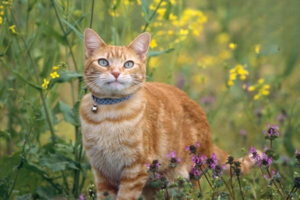
Spring and summer are peak parasite season, and fleas are a common nuisance for cat owners. A cat that scratches constantly may have fleas, mites, allergies, or ringworm — confirm with a Wood's lamp, hair exam, or the classic 'damp tissue test' where flea dirt turns red. These tiny jumpers can produce 250,000 offspring a month, so prevention matters: vacuum cracks and gaps, comb with a flea comb twice weekly, hot-wash bedding, and keep the home dry (fleas like 18–27°C, ~75% humidity). If infected, use monthly topical prevention, treat inflamed skin, and watch for tapeworms passed via fleas.

Characteristics of a Puppy’s Weaning Period
The weaning period is a major transition for puppies. As the mother's milk declines, the pups' fast growth pushes their nutritional needs up, and their digestion begins adapting to soft foods like thin meat porridge. This stage is also stressful and disease-prone — maternal antibodies hit a low around 40 days, so a careful plan matters: start supplemental feeding at 25–28 days, keep the original cage while moving the mother away, follow a fixed feeding schedule to avoid hypoglycemia, and stick to the deworming and vaccination timeline (e.g., Nobivac 2-way at 35 days, 4-way at 50 and 70 days).