Search Results
2728 results for “coat color”

Cat Health Checkup Guide (Part 2)
This second part walks through what actually happens during a cat checkup: the physical, laboratory, and imaging exams. Knowing the routine helps owners make informed decisions and give their cat a more secure, well-supported life.
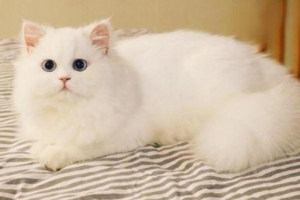
Should You Shave Your Cat’s Fur?
When summer heat arrives or shedding season peaks, many owners wonder whether to shave their cat. In short, healthy cats do not need shaving, and doing it can actually cause harm. Shaving should be reserved for genuine medical needs such as skin disease. This article explains why shaving won't cool your cat and the real risks it brings.

Winter Dog-Care Tips
Winter care matters. (1) Keep exercise: don't lock the dog indoors for fear of cold—it loses freedom and can get depressed or weak and sick. On a sunny afternoon, leash it to the park for a walk and sunlight that kills coat bacteria. (2) Dress smart: cold-prone small breeds (Chihuahua, Teddy) can wear comfy clothes, but Huskies and Goldens generally should not. (3) Diet: skip 'winter tonics' and rich food—a cold gut handles them poorly and they just add burden. Keep the normal feeding plan.

Key Things to Know About Dog Deworming
Parasites split into external (fleas, lice, ticks, mites) and internal (coccidia, tapeworm, roundworm, hookworm, giardia). Suspect worms if: scratching and scooting rise; black specks on the coat; a non-pregnant dog with a swollen belly but thin frame and bigger appetite (heavy load); cough, fast breathing, low energy, or sleepiness without other illness; or worms in the stool (bring a sample to the vet). Start around 1 month old (mothers pass parasites on). Frequency: puppies internal every 3 months, external monthly; adults every 6 months. Dose by weight/age per label or vet; give 3 hours after meals (mild gut irritation). Vaccines aren't dewormers—wait 7 days post-vaccine. No single drug kills all types, so target the parasite with your vet; keep the environment clean.
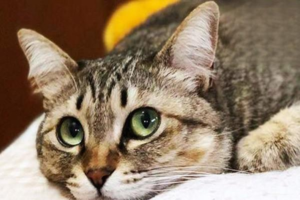
What Is Stud Tail in Cats?
Stud tail is an overactive sebaceous gland at the base of the tail that pumps out too much oil, leaving a greasy, waxy buildup on the tail and the back of the hindquarters. Many cats feel nothing from it, but if bacteria, fungus, or yeast move in, it itches and can inflame. It is common in unneutered tomcats and breeds like Himalayans, Persians, Siamese, and Rexes. Mild cases clear with a benzoyl-peroxide shampoo; severe ones may need surgery. Neutering lowers the risk, and regular brushing helps.
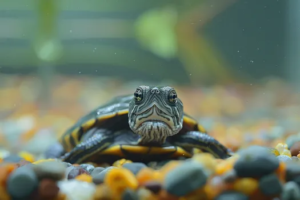
How to Prevent Turtle Eggs From Molding During Incubation
Turtle eggs can mold during incubation when temperature and humidity are off, when eggs are contaminated or cross-infected, or when they were never fertilized. Good incubation management is the key defense. After laying, check each egg for fertilization and remove infertile ones so they don't spoil in the warm, humid box and infect the rest. Keep temperature and humidity appropriate, control pests, and protect eggs from contamination and cross-infection. This article explains the causes and the practical steps to keep your hatch healthy.

What to Do When Your Cat Sheds in Spring
Cats shed all year, peaking at season changes—like swapping a 'new sweater' each quarter; it's normal and harmless. But heavy loss with ringworm or skin disease needs attention and possibly a vet. One follicle grows several hairs, making the coat dense and heavy; shedding lightens the load and, the joke goes, comforts the balding human. Shaving it all off isn't realistic (and your cat may never forgive you)—instead, brush regularly through the shed.

Labrador Retriever Breed Standard
The Labrador is a strongly built, medium, short-coupled gundog with great endurance and a kind, friendly, intelligent temperament—equally a stable hunter and a family companion. Hallmarks: a short dense weather-resistant coat, an 'otter' tail, a clean head with a broad skull and moderate stop, and a powerful jaw. Males stand 22.5–24.5 in and weigh 65–80 lb; females 21.5–23.5 in, 55–70 lb (not for under-12-month dogs). The nose should be wide and well-pigmented (pink/none is a disqualification); eyes kindly brown; a balanced body with muscle, not fat, defines the working type.

Appreciating the Golden Retriever
Bred in 19th-century Scotland as a tougher retriever for marshy hunting grounds, the Golden Retriever descends from a yellow dog crossed with the extinct Tweed Water Spaniel, later refined with Irish Setter, Bloodhound, St. John's Water Dog, and black retrievers. It reaches full height at 9–14 months, full weight at 2 years, mental maturity at 3. English, American, and Canadian lines differ in build and coat shade (cream to gold, never red). They shed twice a year, need daily brushing, at least an hour of exercise, weight control, and yearly checkups—average lifespan 11–12, with cancer, heart, eye, joint, and skin risks.

Preventing Autumn and Winter Dog Illnesses
Cold seasons bring risks. Keep warm—especially puppies and seniors—with a warmer bed, blanket, or heat lamp (watch electrical safety and distance); bathe at midday in sunlight, less often, warmer water. For weather-related colds (sneeze, runny nose, cough), use pet-specific cold medicine and warmth—never human drugs—and see a vet if it worsens. Keep walking for immunity; short-haired or weak dogs can wear coats and must be dried after rain. Diet may need more frequent small meals; keep probiotics ready for soft stool. Deworm year-round (fleas stay active), and expect the autumn coat shed (Sept–Oct).