Search Results
2728 results for “coat color”

Why Your Dog Feels Cold at 20°C (68°F) — and What to Do
A healthy dog with its coat rarely feels cold at 20°C; if it does, a cold or other illness is the likely cause. Look for drafts, nasal discharge, sneezing, fever, and low energy, then warm it up and use a vet-formulated remedy.

What to Do When a Two-Month-Old Puppy Has Skin Disease
A two-month-old puppy with skin disease needs prompt care — low immunity and contact with infected dogs are the usual causes. Tell fungal from parasitic types, then treat with antifungal spray and ointment and follow up with parasite control.

What to Do When Your Pet Catches a Cold During Seasonal Change
Seasonal shifts from autumn to winter bring big temperature swings that make pets prone to colds. Watch for lethargy, sneezing, and withdrawal, keep your dog warm and fed with warm (not cold) food, and see a vet if it worsens.

How to Prevent Your Cat from Catching a Cold
Cat colds are preventable, but most owners miss the small things — drying the coat after baths, limiting contact with sick cats, and washing up after being out. Stay on top of these and you cut both colds and other viral illnesses.

How to Prevent Your Dog from Catching a Cold
Most dog colds come from chills — wet fur, seasonal swings, air conditioning, or drafts — and a few from viruses. Warm bedding, avoiding drafts, and staying away from sick dogs and dirty places cover nearly all of it.

How to Get Rid of Fleas on Your Cat Fast
The fastest fix for cat fleas is a topical spot-on treatment, but combing, medicated baths, and a clean home all help. Treat the environment too, or fleas simply return within days.
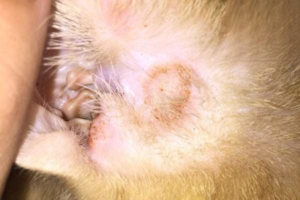
Fungal Infection in a Cat’s Ears
Ear fungus in cats shows up as scabs, hair loss, redness, flaking, and red patches, usually with relentless scratching. Clean the area, apply an antifungal spray and ointment, and disinfect the environment to stop it spreading.

Simple Tips to Prevent Dog Diarrhea
Dog diarrhea is common, but most cases are preventable through steady feeding habits, routine vaccines and deworming, and basic gut support. This guide covers everyday diet management, preventive veterinary care, and simple at-home steps that keep your dog's stomach settled.
- « Previous
- 1
- …
- 271
- 272
- 273