Search Results
2728 results for “coat color”
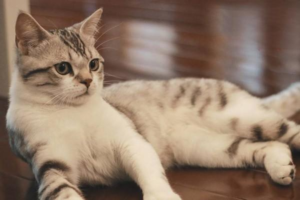
Why Cats Shed Every Day but Never Go Bald
Think of human hair as a hat and cat fur as clothes: cats swap a thick winter coat for a short summer one, and the fur grows back so fast the 'outfit' is continually replaced, so they never bald. A warning, though—don't arbitrarily restyle a cat; like a bad haircut, it can genuinely depress them. For the shedding itself, keep hairball gel (prevents fur-ball indigestion), a cat comb (great bonding time), and a lint roller (for you). Bonus: an itchy, shedding cat will rub its face into your hand—seize the moment.

Six Common Misconceptions About Raising Dogs
Six myths to drop: (1) making a dog stand often harms hips—some breeds have poor hip development, so avoid it and supplement calcium; (2) bathing too often strips protective skin oils and invites dermatitis—every 1–2 weeks is enough; (3) 'dogs don't hold grudges' is wrong—they just don't dwell on it, but chronic hitting/coldness makes them distant or depressed; (4) skipping walks fades the coat and weakens immunity—daily exercise matters; (5) skipping deworming raises parasite and skin-disease risk; (6) homemade food as the main diet causes pickiness and imbalance—balanced kibble should lead, with toppers added.
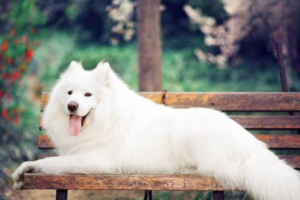
How Climate Change Affects Dogs
Autumn is the most comfortable season, loved by people and dogs alike. Notice that whenever weather changes, a dog's mood shifts noticeably. Heat: most dogs grow listless in hot seasons, preferring the AC; short-nosed breeds lose many companions each summer, and double-coated dogs struggle (owners go mad from shedding)—they need regular brushing for airflow. Cold: dogs turn lazy in severe cold, especially short-haired and lean breeds lacking insulation; long-haired and double-coated dogs thrive. Low pressure: dogs sense weather via air pressure and can foresee storms; the AVMA found pressure changes strongly affect behavior—restlessness, even aggression, or unusual excitement before storms. This doesn't permanently change behavior, but comfort an intense reactor. Do dogs get depressed? A UK vet charity survey found 40% of UK dogs show winter mood drops, suspected of Seasonal Affective Disorder (SAD); affected dogs sleep more and move less, and sunny outdoor time (as in human SAD treatment) eased symptoms—because winter SAD comes from extra melatonin, the sleep hormone, which sunlight stops the pineal gland from releasing.
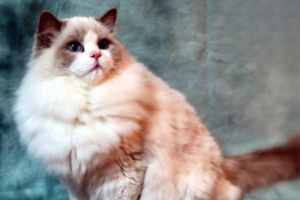
Recipe: Raw Egg for Cats
A raw egg is about the quickest cat-food topper you can make — crack one into the bowl and serve. Eggs are a superb, easy-to-digest source of protein and supply more than ten amino acids cats need, which is why owners credit them with a shinier coat and brighter eyes. The two common worries are bacteria and egg white: buy tested, clean eggs to lower any infection risk, and at a rate of one or two a week the white does no harm. Cooking the egg is fine too.
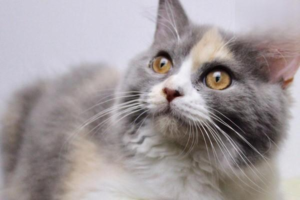
Health Checks Every Cat Owner Should Know
Must-do checks: a baseline exam plus a four-way infectious test (panleukopenia, herpes, calicivirus, coronavirus) for every new cat—do it early, before symptoms turn deadly. Antibody tests suit cattery-bought kittens. Pre-surgery bloodwork matters for seniors; post-illness rechecks and fecal/SAA/urine tests catch parasites, inflammation, and urinary disease. Skip unnecessary ones: toxoplasma testing is mainly for pregnant households, and X-rays are for swallowed objects or fractures.
Why Is Your Cat Shedding?
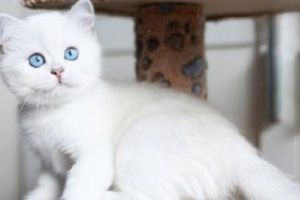
Shedding is often normal: kittens lose soft baby fur around 4–8 months, and all cats do a seasonal coat change in spring (March–May) and autumn (September–November). But it can also signal trouble—external parasites (mange mites, fleas) cause redness, itching and hair loss; poor nutrition or too much salt weakens the coat. Rule out illness, then manage loose hair with a vacuum and a de-shedding tool. Never over-salt the food, and keep protein and vitamins adequate.
Dealing With Heavy Spring Shedding
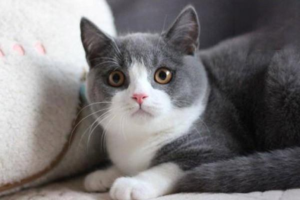
In the shedding season cats are walking dandelions as they swap coats for the new climate. Fight it four ways: brush daily with a multi-tooth pin brush (gentle, so the cat learns to love it); bathe monthly with cat-specific shampoo and dry thoroughly; feed a balanced diet with skin-support nutrients like omega-3/6; and use a hairball gel (a gut lubricant, not a dissolver) instead of inducing vomit with cat grass, which can inflame the esophagus and trigger pancreatitis.

How Old Is Your Cat in Human Years?
The old 'one cat year = seven' rule is wrong; a 1-year-old cat is already like a 24-year-old human, and each year after adds about four, so an 8-year-old is roughly 48. Average lifespan is 10–20 years and hinges on care: indoor cats live far longer (stray Li Hua often under 3), while breeds vary—fold-ears under 10, Exotic ~11, BSH ~12, Persian ~15, ASH/Ragdoll ~15–18, Siamese ~18–20. Estimate age by teeth, eye clarity, muscle, and coat; extend life with a clean home, vaccines, good food, and rest.

What Daily Supplies Does Your Cat Need?
Beyond bowls, fountain, litter box, and bed, a few supplies make care easier. For claws: a cat-specific nail clipper (elliptical claws split under human clippers; a safety-guard or LED model helps avoid the quick) and a scratching post. For coat: a deshedding comb and a pin brush for massage. For baths: a bathing bag if needed, cat shampoo (not human—cat shampoo is cheap and has anti-parasite formulas), and a pet drying box to avoid loud dryers. Add a pet toothbrush or finger brush, ear cleaner, and paw-foam for routine care.
Why Is Your Cat Meowing So Much?
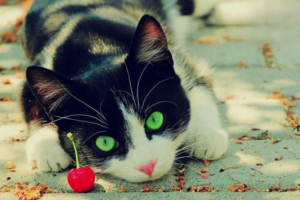
Frequent meowing is like a baby's cry—usually a need or a bid for security. Check the basics first: hunger (refill food), thirst (cats hate stale overnight water—change it daily, use cooled boiled or purified), a dirty or moved litter box, temperature (or tight clothing), and pest bites (time to deworm). Heat (intact cats, females ~6 months, males ~10) and illness or pain are next; do a one-minute body and stool check, and consult a vet if it persists. Some breeds (Devon Rex, Li Hua, Ocicat) are just chattier, and some cats learn that meowing earns treats—reward quiet instead.