Search Results
810 results for “cat space”

What to Do When Your Cat Has Watery Eyes and Sneezes
Watery eyes and sneezing in cats are usually a simple cold, feline herpesvirus (rhinotracheitis), or allergic rhinitis — not always panleukopenia, as many owners fear. Matching the cause to the right care matters, and severe or low-energy cases need a veterinarian. Keep the environment dust-free and ask your vet about helpful supplements.
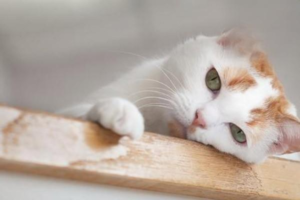
Mild Cat Cold vs. Feline Herpesvirus (Cat Flu)
A sneezing, runny-nosed kitten usually has either a mild cold or feline herpesvirus (cat flu). The mild version clears with warmth and rest; the viral form brings lethargy, poor appetite, and eye discharge and needs isolation plus veterinary care. Telling them apart decides how quickly your cat recovers.

How to Treat a Sneezing, Congested Cat
A cat that only sneezes usually needs no medication, but added symptoms change the picture. Allergies, a chill, viral rhinotracheitis, or a nasal foreign body each call for a different fix — and persistent sneezing with discharge means a vet visit.

How to Recognize Ear Mites in Your Cat
Ear mites spread easily between cats and dogs through close contact and are most common in kittens. Look for dark, crumbly ear discharge, head shaking, and scratching around the ears and neck — and isolate an affected cat to protect the rest of the household.

Can an Indoor Cat Still Get Fleas?
Yes—fleas can reach an indoor cat through a contaminated home or other animals, and owners can carry flea eggs in on shoes and clothes. Prevent with regular deworming and a clean environment; treat infestations with a medicated bath plus thorough home cleaning.

What to Use for a Cat’s Skin Infection
Most cat skin problems are fungal, thriving in contaminated environments and among cats with weaker immunity. Treatment means disinfecting the home, stopping the cat from licking sores, and applying antifungal ointment and spray to clipped, cleaned patches. A medicated shampoo supports bathing during recovery.

Pet Skin Diseases (Part 1): Parasitic and Fungal Infections
Skin disease is common in dogs and cats and tends to flare up and recur, usually because their skin defenses are weak and their surroundings are full of triggers. The two hardest types to clear are external-parasite infestations (fleas, lice, mites, ticks) and fungal infections (ringworm); both cause intense itching, hair loss, and skin damage and need treatment of both pet and environment. Since they are contagious and slow to resolve, early veterinary care and consistent parasite control are the keys to recovery.

Treating and Preventing Otitis Externa in Dogs
Effective treatment of dog ear infections starts with a deep clean and then targets the cause—parasites, fungi, bacteria, allergies, or growths—while severe cases need a vet. Prevention is simpler: don't over-bathe, keep the ears dry, and deworm and disinfect the environment on schedule.
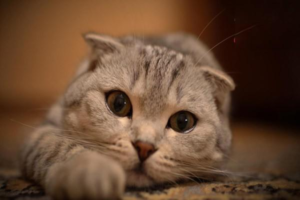
What to Do When a Kitten Sneezes with a Clear Runny Nose
Clear, watery nasal discharge in a kitten usually means a mild common cold rather than rhinotracheitis — observe first if there's no fever or eye redness. Keep the environment clean and warm, add nutrition, and never give human cold medicine, which can harm the kidneys or liver.

Before and After Bringing a Kitten Home
Before a kitten arrives, set up one clean room with litter box, bed, food, and carrier. Keep its starter food, prepare a semi-enclosed bed, and gather grooming basics.