Search Results
810 results for “cat space”

Why Do Cats Get Ear Mites?
Ear mites take hold when ears aren't cleaned and oil and bacteria build up, or when bath water is left damp; they also spread from dogs. Signs are inflamed, crusted canals with brown debris and head shaking. Clean daily, deworm regularly, and disinfect the home.

Symptoms of Ear Mites in Cats
Ear mites cause relentless ear scratching, head shaking, and dark brown debris in the canal; untreated they invite bacterial infection and otitis. Clean the ears daily with a pet ear solution, deworm regularly, and keep the environment disinfected.
Why Your Cat Has Diarrhea After Deworming
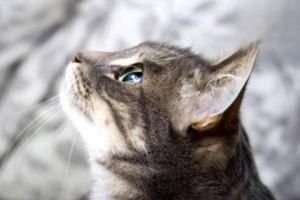
Mild diarrhea after deworming is common — usually dead parasites irritating the gut or a sensitive stomach — and settles in 2–3 days. Keep the cat hydrated, add a probiotic, and see a vet if soft stool lasts beyond three days. Dose strictly by weight.

How to Get Rid of Fleas on Your Cat
Fleas show up as black specks in the coat, red skin, and constant scratching. Clear them with good hygiene, a flea shampoo or topical treatment, and a clean home — plus the usual folk rinses. Regular deworming and a tidy space prevent them returning.

Red, Tearful Cat Eyes: Irritation or Conjunctivitis?
Red, watery cat eyes usually signal a bacterial infection or irritation from a dirty environment. A vet should rule out other eye disease, then antibacterial drops can treat it. Daily disinfection of the home and limiting contact with stray cats prevent recurrence.

How to Kill Fleas on Your Cat
Fleas are tiny jumping parasites that irritate the skin and spread illness. For light infestations a topical spot-on treatment works; for larger ones a vet-approved external parasite product plus an Elizabethan collar prevents poisoning. Regular deworming and a clean home stop them returning.

What to Do When a Mother Cat Won’t Eat After Giving Birth
A new mother cat may refuse food due to exhaustion, stress, a noisy environment, or a postpartum infection. Brief fasting is normal, but prolonged refusal needs a vet check for retained kittens or infection. Soft, nutrient-rich meals and a calm space help her recover.
What to Do When Your Cat Has Cat Flu
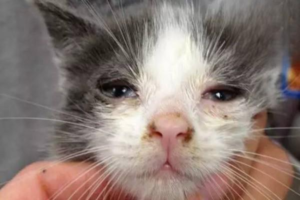
Cat flu (feline rhinotracheitis) is often mistaken for a cold but is a viral upper-respiratory infection that can kill if ignored, especially in kittens. Antiviral and lysine support plus a clean, low-dust environment are the main care steps.
How to Make Ringworm (Cat Fungus) Heal Faster
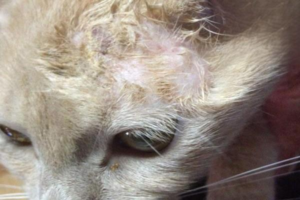
Cat ringworm is a common fungal skin disease, usually from poor grooming and a dirty environment, causing intense itching and patchy hair loss. Treatment combines shaving and medicated baths with topical antifungals and oral medication for faster recovery. Prevention hinges on cleanliness, sunlight, good nutrition, and not over-bathing.

Best Treatment for Cat Ringworm
Ringworm is a fungal infection affecting roughly one in four cats, caused mainly by Microsporum and Trichophyton species. Effective treatment combines clipping widespread patches, medicated baths, vet-prescribed antifungal sprays or ointments with oral medication, and thorough environmental disinfection. Keeping up parasite prevention and a clean home stops recurrence.