Search Results
810 results for “cat space”

What Happens When a Cat’s Fur Gets Wet?
A cat's coat is its thermostat, sensor, and shield. Once soaked, the cat loses warmth, faces skin infections, and can no longer read its surroundings through whiskers and sensitive hairs — which is why cats dread water.

How to Protect Your Cat From Parasites
Cats pick up fleas and lice from dirty surroundings or contact with infected animals. Regular parasite-control baths, a clean home, and prompt treatment keep these pests — and the illnesses they bring — at bay.
Can a Feverish Cat Recover on Its Own
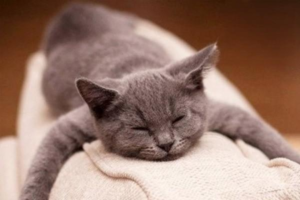
A cat's normal temperature runs 37–39°C, and it cools itself through paw sweat glands and panting. Mild fevers can ease with physical cooling, but a high fever from infection or virus needs a vet. Watch the ears and tail, and keep the cat nourished while it recovers.

Can You Keep a Cat and a Dog Together
Cats and dogs can share a home even though squabbles are normal at first. They simply need a gradual adjustment period, separate feeding setups, and a safe high place for the cat to escape to. How well they get along depends mostly on how the owner manages it.

Helping Your Pregnant Cat Through a Safe Pregnancy
Many owners have never dealt with a pregnancy, so a pregnant cat can be puzzling. The essentials are steady calcium, a quiet space, gentle movement, careful handling, and balanced nutrition. Getting these right helps the queen and her kittens stay healthy.
Cat Ear Mites
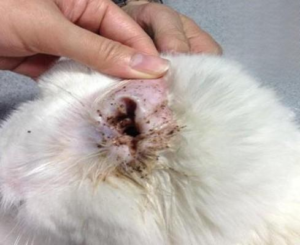
Ear mites are a common cat skin problem, often triggered by environment or outside factors. They leave greasy, smelly, itchy debris in the ear that needs prompt cleaning and treatment. Regular ear and bedding hygiene keeps them from coming back.
How to Tell If Your Cat Has Fleas
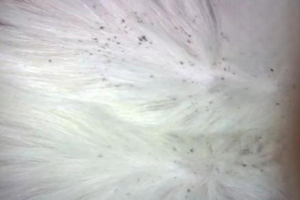
Cats love squeezing into corners, and fleas love corners too, so without preventive deworming a cat picks them up easily. Fleas bite and itch, and they can also carry other parasites and infections. Knowing the signs and treating the home as well as the cat keeps them gone.

Cat Spay and Neuter Care: Details You Shouldn’t Skip
Neutering curbs mating aggression, noisy calling, marking, and heat-related illness, but the surgery is only half the job. Follow the antibiotic course, avoid picking the cat up, and support recovery with good nutrition.

Can an Indoor Cat That Never Meets Other Cats Still Get Fleas?
An indoor-only cat can still get fleas, because owners may carry flea eggs home on shoes and clothing from the outside world. Watch for itching and hair loss, treat the cat and the home together, and keep up regular preventive deworming.

Does My Cat Really Need Deworming?
Even cats that never go outside can still pick up internal and external parasites, because owners may unknowingly carry flea eggs and worm larvae home on their shoes and clothing. Routine deworming plus a clean, regularly disinfected living space is the most reliable way to keep a cat parasite-free.