Search Results
810 results for “cat space”
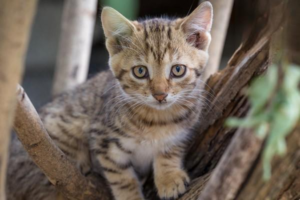
Why Are the Spaces Between My Cat’s Toes Ulcerating?
When the skin between a cat's toes starts to break down and ulcerate, the cause is usually environmental or dietary rather than mysterious. A damp living space lets bacteria flourish and lowers the skin's defenses; underlying ringworm or another skin disease can spread to the feet; small cuts from rough play can fester if left untreated; and a diet too high in salt weakens the skin from within. Identifying which of these is at play tells you whether a simple cleanup at home is enough or a veterinary visit is needed before the damage worsens.

What to Use to Disinfect Your Cat’s Living Space
Home disinfection serves two goals: kill germs and odor, and block contagious feline disease like panleukopenia, calicivirus, and ringworm. Common products include sodium hypochlorite (bleach) and chlorine dioxide, quaternary ammonium, phenolics, potassium monopersulfate, alcohol, UV, and ozone. For pet homes, diluted bleach and chlorine dioxide are effective and safe when rinsed; avoid phenolic and essential-oil-based disinfectants, which are toxic to cats, and ensure areas dry before the cat returns.

What If Your Cat’s Cold Won’t Clear Up After Treatment?
If a cat's cold lingers after shots and medicine, the cause is usually poor home care or the wrong treatment — and viruses like herpesvirus can flare again. Support recovery with isolation and disinfecting, warmth and humidity, face cleaning, probiotics, and plenty of water; if it worsens, rule out panleukopenia or rhinitis at a clinic.

How to Prevent Middle- and Inner-Ear Infection in Cats
Cat middle- and inner-ear infections usually start with an untreated respiratory infection or trapped moisture, so prevention means prompt care of sniffles, dry ears, gentle cleaning, and a clean, low-density home. Quarantine any new cat before it meets the resident crew.

What Cat Ringworm Looks Like at the Start
Cat ringworm is a contagious fungal infection that can pass to people, especially kids, the elderly, and pregnant women. Early signs are rough coat, patchy hair loss with scaling, and itching; treatment means isolation, nutrition, topical sprays, and vet care for severe cases.
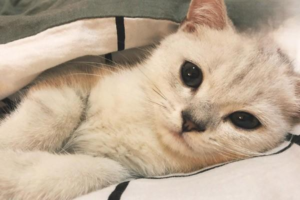
How to Prevent Heatstroke in Cats
Cats can overheat when confined in hot, poorly ventilated spaces; their thermoneutral zone is about 30–36°C, and indoor heat can exceed that. Signs include panting, 'greasy' sweaty paws, drooling, red mucous membranes, and collapse. Prevention is cooling and hydration; severe cases with seizures or coma need urgent veterinary care.

How Weather Affects Your Cat’s Mood and Health
Cats feel weather as keenly as people do, storms, cold, heat, and humidity all shift their mood and health. Watch for heatstroke and hypothermia in extremes, and keep the home between 20 and 25 C with sun, warmth, and steady routine.

A Complete Guide to Spaying or Neutering Your Cat
The best time to neuter is after sexual maturity, around 5 to 6 months, with a vet check and blood work first. Weigh the real benefits, fewer cancers and roaming, against risks like weight gain and anesthesia, and follow strict after-care to heal cleanly.

Why Is Your Cat Suddenly Limping?
Sudden lameness in cats can stem from injury, arthritis, hip dysplasia, or even aortic thromboembolism. Catch it early, get a proper diagnosis, and manage weight, joints, and environment for better recovery.

How to Make Your Indoor Cat Happier
Indoor cats need enrichment to stay happy: clean litter boxes, quality food, toys, scratching posts, perches, and daily play. A stimulating home keeps a curious cat healthy and content.