Search Results
959 results for “cat recovery”

Symptoms of Ear Mites in Cats
Ear mites cause relentless ear scratching, head shaking, and dark brown debris in the canal; untreated they invite bacterial infection and otitis. Clean the ears daily with a pet ear solution, deworm regularly, and keep the environment disinfected.

How Many Days Can a Cat Survive Without Eating?
A cat can last about a week without food; beyond that, weakness and organ failure set in, and the risk of fatal fatty liver rises sharply after three days. Boredom with food, sudden diet swaps, stress, or illness cause refusal — offer small frequent meals and vet care if sick.

Red, Tearful Cat Eyes: Irritation or Conjunctivitis?
Red, watery cat eyes usually signal a bacterial infection or irritation from a dirty environment. A vet should rule out other eye disease, then antibacterial drops can treat it. Daily disinfection of the home and limiting contact with stray cats prevent recurrence.

How to Kill Fleas on Your Cat
Fleas are tiny jumping parasites that irritate the skin and spread illness. For light infestations a topical spot-on treatment works; for larger ones a vet-approved external parasite product plus an Elizabethan collar prevents poisoning. Regular deworming and a clean home stop them returning.

What to Do When a Mother Cat Won’t Eat After Giving Birth
A new mother cat may refuse food due to exhaustion, stress, a noisy environment, or a postpartum infection. Brief fasting is normal, but prolonged refusal needs a vet check for retained kittens or infection. Soft, nutrient-rich meals and a calm space help her recover.
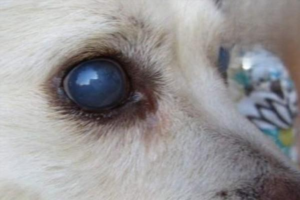
What to Do About Dog Cataracts
Cataracts cloud the lens and slowly steal a dog's sight, worst in older dogs where it advances slowly. The only real cure is surgery, but early stable cases may need none; afterward, careful aftercare and breed-specific eye hygiene matter.

How to Treat a Cat’s Fungal Skin Infection
Cats get fungal skin infections when their skin barrier is weak, from warm indoor air, play wounds, contact with infected cats, or low immunity. Treatment means clipping and medicating the spot, stopping licking, and boosting nutrition until it clears.

Dog Coronavirus: Treatment and Recovery
Dog coronavirus spreads through contact with infected feces and causes sudden vomiting, diarrhea, and lethargy, with cases able to relapse 14-21 days after signs fade. Supportive care, vet-prescribed meds, and gut-resting food let most dogs recover, but severe cases need a hospital.
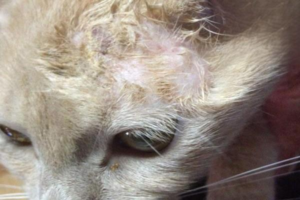
How to Make Ringworm (Cat Fungus) Heal Faster
Cat ringworm is a common fungal skin disease, usually from poor grooming and a dirty environment, causing intense itching and patchy hair loss. Treatment combines shaving and medicated baths with topical antifungals and oral medication for faster recovery. Prevention hinges on cleanliness, sunlight, good nutrition, and not over-bathing.

Is Your Cat’s Hoarse Voice a Sign of Illness?
A suddenly hoarse meow can be harmless — some cats fake it for attention — but it can also mean stress-induced inflammation, a seasonal cold, or a throat foreign object. Watch for other signs: if the cat eats and rests normally, it often recovers in about a week; fever, sneezing, or gagging means a vet visit.