Search Results
959 results for “cat recovery”

What to Do If Your Cat Swallows a Hair Tie
Cats may chew and swallow hair ties, causing vomiting, appetite loss, or hiding. A vet may induce vomiting, or remove the tie with an endoscope or surgery depending on where it sits. Quick care leads to full recovery.

Should You Declaw Your Cat?
Declawing is a controversial surgery that removes the cat's toe bones, not just the nail, and can cause lasting pain and behavior changes. Many places now ban it. Training, nail trims, and scratching posts are safer alternatives.

Why Your Cat Breathes Loudly
Loud breathing in cats can be completely normal, a relaxed cat often purrs or pants slightly in heat, but it may also signal a respiratory infection or illness. Identifying accompanying signs such as nasal discharge or lethargy helps you decide when veterinary care is needed.

What to Know Before and After Spaying Your Female Cat
Spaying a female cat is a routine but significant surgery. Schedule it after vaccinations are complete and outside heat season, and follow careful home care so your cat recovers safely.

What to Know Before and After Cat Spay or Neuter
Cats can be spayed or neutered from about six months old, and a smooth procedure comes down to good preparation, the right surgical package, and careful recovery. Knowing what to do — and what to avoid — prevents most complications.

Signs Your Cat Is Unhappy — and What to Do
Cats express discomfort in subtle ways that are easy to miss — changes in voice, appetite, grooming, or hiding. Learning these behavioral clues and how to respond calmly protects both your cat's mental health and your bond.

Can a Cat Survive Panleukopenia (Feline Distemper)?
Caught early and treated by a vet, panleukopenia is survivable. Signs are relentless vomiting, severe diarrhea, and dehydration — so rush to a clinic and never self-medicate.
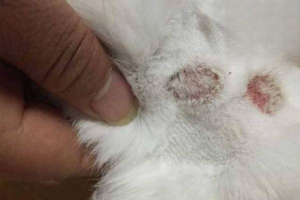
Cat Ringworm: Symptoms and Home Care
Ringworm strikes when a cat's immunity dips, breaking hairs and leaving ring-shaped bare patches. It can pass to people, so isolate the cat, disinfect with iodine, and use a vet-approved antifungal spray plus vitamin B.

What to Do If Your Cat Catches Flu
Cat flu is a viral illness spread by close contact, causing sneezing, eye or mouth ulcers, and lost appetite. Support your cat with good nutrition and protect others through vaccination.

Cat Gastritis: Symptoms and Treatment
A cat's weak gut makes gastritis common, and it's uncomfortable for both cat and owner. Causes range from hard-to-digest grains and bones to spoiled food, with vomiting and diarrhea as the main signs. Short fasting, vet-directed medication, and clean feeding prevent it.