Search Results
959 results for “cat recovery”

Can a Cat’s Respiratory Infection Heal on Its Own?
Most cat respiratory infections do not clear up on their own. Bacterial or simple colds may self-resolve thanks to the cat's immunity, but the common viral causes — herpes (rhinotracheitis) and calicivirus — require treatment. See a vet; at home, vet-prescribed antibiotics plus lysine help, and isolate the cat since these viruses spread fast.

Early Signs of Cat Rhinotracheitis (Feline Herpesvirus)
Cat rhinotracheitis, caused by feline herpesvirus-1, is a highly contagious respiratory infection that spreads quickly between cats. Early signs look a lot like a cold — watery eyes, sneezing, nasal discharge, low energy, and poor appetite — but left untreated it can turn serious and even fatal. Isolating a sick cat and seeing a vet promptly are the most important first steps.

What to Do When Your Cat Sneezes and Has a Runny Nose
A cat cold usually starts from a chill, and if it drags on for over a week it needs real attention—left alone it can lead to coughing, dehydration, or low fever. Check the temperature, keep the cat warm, rule out serious illness, and support recovery with food and fluids.
Mild Cat Cold vs. Feline Herpesvirus (Cat Flu)
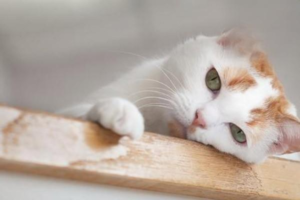
A sneezing, runny-nosed kitten usually has either a mild cold or feline herpesvirus (cat flu). The mild version clears with warmth and rest; the viral form brings lethargy, poor appetite, and eye discharge and needs isolation plus veterinary care. Telling them apart decides how quickly your cat recovers.

What to Give a Cat With Diarrhea
Before reaching for any medication, figure out why your cat has diarrhea—diet change, gastritis, or parasites each call for a different response. Probiotics and a bland diet resolve many mild cases, while parasites need a vet-confirmed dewormer. Knowing the cause is what lets you treat it correctly.

What to Do When Your Cat Collapses from Diarrhea and Dehydration
Diarrhea can drain a cat's body of both fluid and essential electrolytes faster than most owners expect, and severe dehydration can spiral into shock. Knowing how to rehydrate at home and when the situation is an emergency is the difference between a quick recovery and a life-threatening crisis.

Why Is My Cat Sneezing?
Sneezing and a runny nose are easy to dismiss, but they deserve a closer look. The usual triggers are dust or litter dust (allergy), a chill or cold, or — when discharge turns thick and the cat runs a fever — feline rhinotracheitis, which needs prompt veterinary care.
How to Tell If Your Cat Has Ringworm
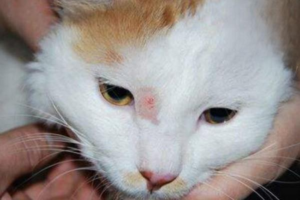
Ringworm shows up as patchy hair loss with red, irritated skin and itching. Start by checking the ears, since that damp area is a favorite spot, and watch whether the bare patches keep spreading — expanding lesions mean it is time for a vet visit.

How to Recognize Ear Mites in Your Cat
Ear mites spread easily between cats and dogs through close contact and are most common in kittens. Look for dark, crumbly ear discharge, head shaking, and scratching around the ears and neck — and isolate an affected cat to protect the rest of the household.

How to Tell If Your Cat Has Mites
The hallmark of a mite infestation is intense itching with irregular red patches and hair loss. Unlike ringworm's neat circular rings, mite damage looks blotchy and worsens the more your cat scratches, sometimes progressing to blisters and discharge.