Search Results
959 results for “cat recovery”
How to Treat Cat Gastroenteritis
Gastroenteritis is common in cats—their digestion handles grains and sharp bones poorly, and spoiled food can trigger acute gastritis. Signs are vomiting, diarrhea, lethargy, appetite loss and dehydration. Withhold food briefly for mild cases, but persistent symptoms, especially in kittens, need a vet.

How to Spot Ringworm on a Ragdoll Cat
Ragdolls get ringworm like any cat, usually from a home with fungal spores or contact with an infected cat. Watch for relentless scratching, biting at the tail, hair loss, scabs and small red bumps. Treatment runs five to six weeks and needs consistency.

What to Use for a Cat’s Skin Infection
Most cat skin problems are fungal, thriving in contaminated environments and among cats with weaker immunity. Treatment means disinfecting the home, stopping the cat from licking sores, and applying antifungal ointment and spray to clipped, cleaned patches. A medicated shampoo supports bathing during recovery.

What to Do When Your Cat Has Watery Diarrhea
Watery diarrhea in cats can signal anything from routine enteritis to serious feline panleukopenia, and the right treatment depends on the underlying cause. Bloody stool, vomiting, fever or weakness means urgent veterinary care. Supportive care at home helps only once the cause is identified.

What to Do When Your Cat Catches a Chill
Cats catch colds easily from baths, seasonal shifts and temperature swings. Treat early to prevent the illness from deepening into something worse. Symptomatic care plus warmth, hydration and good nutrition usually gets a mild case back on track.

Visible Signs of a Cat Cold
A cat cold shows up as sneezing, nasal discharge, coughing, a raised temperature, low energy and poor appetite. Spotting these signs early lets you treat promptly and spare your cat days of discomfort. Treatment is symptomatic—you address each sign as it appears.

Cat Has Had Yellow Nasal Discharge for Six Months
Persistent yellow nasal discharge in cats usually points to a chronic upper-respiratory infection such as feline viral rhinotracheitis, or less commonly pneumonia. When the symptom has lasted six months, the condition is well established and needs a proper veterinary work-up rather than guesswork. Supportive home care can ease discomfort, but lasting or recurring discharge warrants diagnostic testing.
What Ointment to Use for Cat Skin Disease
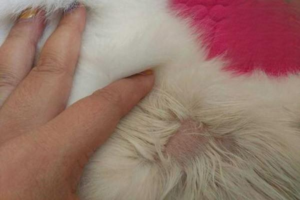
Cat skin disease comes in four types — bacterial, fungal, allergic, parasitic — with fungal and parasitic the most common. Clip the fur, apply an antifungal spray and ointment for 4–6 weeks, add vitamin B, and bathe only with a gentle shampoo.

What to Do When Your Cat Catches a Seasonal Cold
Cats catch colds easily at seasonal changes — sneezing, runny nose, cough, and fever are the giveaways. Keep the cat warm, use a vet-formulated remedy (with a cough add-on if needed), and only reach for fever medicine above 39.5°C (103°F).

What to Do When Your Cat Has a Respiratory Infection
Feline respiratory infections bring sneezing, nasal discharge, congestion, and coughing, and need prompt care. Mild cases respond to supportive treatment, while yellow discharge points to a more serious upper-respiratory infection.