Search Results
959 results for “cat recovery”

What to Do When Your Cat Has Diarrhea
Cats get diarrhea from chills or bad diet, and a probiotic plus warmth often settles it. Parasites and stress are other common triggers, so deworm on schedule and ease environment changes. Frequent diarrhea with vomiting may mean gastritis or distemper and needs a vet.

Can a Feverish Cat Recover on Its Own
A cat's normal temperature runs 37–39°C, and it cools itself through paw sweat glands and panting. Mild fevers can ease with physical cooling, but a high fever from infection or virus needs a vet. Watch the ears and tail, and keep the cat nourished while it recovers.

Helping Your Pregnant Cat Through a Safe Pregnancy
Many owners have never dealt with a pregnancy, so a pregnant cat can be puzzling. The essentials are steady calcium, a quiet space, gentle movement, careful handling, and balanced nutrition. Getting these right helps the queen and her kittens stay healthy.

How Dogs Catch Parvovirus
Canine parvovirus is a highly contagious gut disease of dogs, especially puppies, causing vomiting, diarrhea, dehydration, and sometimes death. It spreads through infected waste and saliva and survives in the environment for months. Vaccination and quick vet care are key.
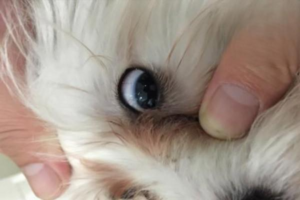
White Film Covering Your Cat’s Eyeball
A white film over the eye usually means conjunctivitis, an inflammation of the membrane lining the eyelids and front of the eye. It can come from infectious causes like feline herpes or from injury and irritation. Cleaning, the right medication, and an Elizabethan collar speed recovery.

Is Ringworm in Cats Caught by Touch
Ringworm is a fungal skin infection that makes a cat scratch one spot until the fur falls out and the skin reddens. It spreads by contact, both across the cat's own body and to other cats and people. Isolate the cat and treat early to stop it spreading.

Why Your Cat’s Meow Suddenly Sounds Hoarse
A cat that suddenly loses its voice or sounds hoarse usually isn't in trouble, but the cause is worth understanding. Most cases come down to attention-seeking, stress, a mild upper respiratory infection, or something caught in the throat. Watch for other symptoms before deciding whether a vet visit is needed.

Cat Spay and Neuter Care: Details You Shouldn’t Skip
Neutering curbs mating aggression, noisy calling, marking, and heat-related illness, but the surgery is only half the job. Follow the antibiotic course, avoid picking the cat up, and support recovery with good nutrition.

Post-Surgery Recovery Care for Your Dog
After an operation a dog is fragile and needs careful nutrition, soft easy meals, and real rest. A recovery supplement, balanced food, and limited activity help the incision heal and the dog bounce back.

Why Do Cats Get Ear Mites?
Ear mites take hold when ears aren't cleaned and oil and bacteria build up, or when bath water is left damp; they also spread from dogs. Signs are inflamed, crusted canals with brown debris and head shaking. Clean daily, deworm regularly, and disinfect the home.