Search Results
27 results for “behavior traits”
Characteristics of a Puppy’s Weaning Period
The weaning period is a major transition for puppies. As the mother's milk declines, the pups' fast growth pushes their nutritional needs up, and their digestion begins adapting to soft foods like thin meat porridge. This stage is also stressful and disease-prone — maternal antibodies hit a low around 40 days, so a careful plan matters: start supplemental feeding at 25–28 days, keep the original cage while moving the mother away, follow a fixed feeding schedule to avoid hypoglycemia, and stick to the deworming and vaccination timeline (e.g., Nobivac 2-way at 35 days, 4-way at 50 and 70 days).
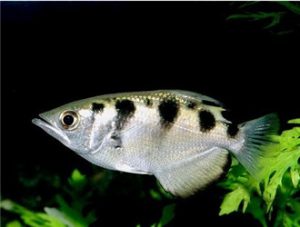
Archerfish
Also known as the 'Spray Gun Fish,' the archerfish is a classic brackish-water species commonly found in aquarium shops at affordable prices. Its distinctive bulging eyes allow it to see not only surface objects but also aerial targets above the waterline.
Hatchetfish
Also known as the Swallow Fish, Chest-Knife Fish, or Sternoptyx, the hatchetfish is a group of unusually shaped small freshwater fishes. Its body is extremely laterally compressed with a greatly protruding belly, giving it the silhouette of an ancient stone axe—hence the name.
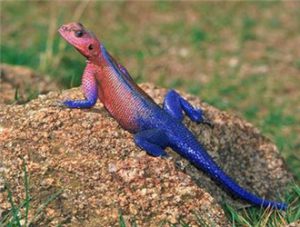
Common Agama
The Common Agama (Agama agama), also called the rainbow lizard, is plain gray at night but flushes vivid color as it warms in the sun — hence its 'rainbow' name. A hardy starter agamid from central and western Africa. (Note: the source's 'gliding/flying' description is inaccurate — Agama agama does not glide; that belongs to flying dragons of the genus Draco.)

Anglo Mink
The Anglo Mink is the domesticated pet ferret (Anglo / Marshall lines) kept as a companion animal. Intelligent, gentle, and easy to litter-train, it is heat-sensitive and mischievous when unwatched, needs a large wire-free cage and 4+ hours out daily, and eats a meat-based diet (30–35% protein, 15–20% fat). Lifespan 8–12 years.
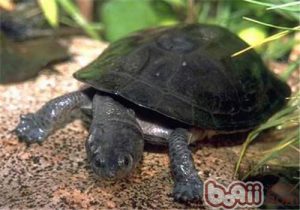
Mesoclemmys Turtle
The Mesoclemmys turtle is a little-known, wide-ranging South American species that has been largely overlooked by both researchers and hobbyists. A small, secretive turtle inhabiting shaded forest streams, it remains rare in the pet trade.

Natal Hinge-back Tortoise
The Natal Hinge-back Tortoise (Kinixys natalensis) is one of six hinge-back tortoises, a small, strikingly patterned herbivore found only in South Africa's Natal province. Scarce and specialized, it needs a dry semi-desert setup and a high-fiber, low-protein diet.
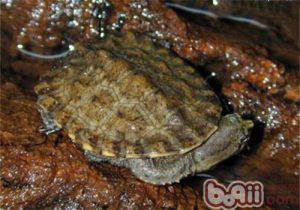
South American Snake-necked Turtle
The South American Snake-necked Turtle (Hydromedusa tectifera), also called the Argentine snake-necked turtle, is a popular but challenging species with a long smooth neck and rock-like shell. It is prone to shell rot and demands cool, slightly acidic water and careful husbandry.
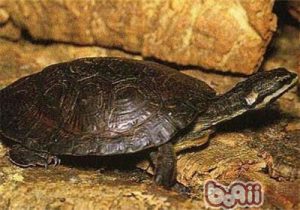
Phrynops williamsi
Phrynops williamsi, also called the Masked Toadhead Turtle, is a side-necked turtle from South America that loves basking and is semi-aquatic in the wild. Lively and relatively easy to keep, it remains uncommon in captivity and is found mainly as wild-caught individuals.
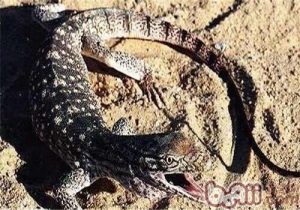
Desert Monitor
The Desert Monitor (Varanus griseus) is a large, fierce monitor of the Sahara and Asian deserts, reaching up to 140 cm and famed for its endurance and venom-resistant diet of snakes and scorpions. Difficult and dangerous to keep, it is not recommended for beginners.
- « Previous
- 1
- 2
- 3
- Next »