Search Results
2848 results for “balance”

Why Hamster Poop Turns Green
Green hamster stool may come from newly introduced green vegetables such as spinach or lettuce - usually harmless; reduce them and watch the color recover. It can also signal indigestion, in which case ease raw produce and reintroduce slowly. Lastly, it may indicate chilling or infection; watch for lethargy, poor appetite, or rapid breathing and see a vet.
Why Arowana Refuse to Eat
Many factors cause arowana to refuse food - large water-quality swings, sudden environmental change, indigestion, a monotonous diet, or illness. Solutions differ by cause: change and stabilize the water, let the fish rest quietly, fast and regulate digestion, vary the diet, or treat the specific disease. Check water, environment, food, and health to find the cause.
Can a Broken Arowana Fin Recover?
Whether a broken arowana fin recovers depends on severity. If not fully severed, it usually regrows with clean water, steady temperature around 30C, and good nutrition, though slowly and less perfectly. Fully severed fins rarely recover. Keep water quality high and be patient through the long regrowth.
What Causes Arowana Popeye?
Arowana popeye (bulging eyes) is caused by high nitrite in aged water, too much protein in the diet, or bacterial/parasitic infection. Fixes: change water and run the filter for nitrite; switch to lower-protein food and add a wave pump for diet; change water and apply eye drops for infection. Rising pH, high alkalinity, or vitamin B deficiency can also contribute.
What to Know When Raising a Myna as a Beginner
New myna owners should pick a lively, healthy bird with glossy feathers, give a right-sized cage with toys and space, feed a balanced diet of special myna feed plus fruit, vegetables, and nuts, and let it adapt quietly. Socialize daily, keep the cage clean, train gently, and watch for signs of illness.
Goldfish Habits and Types
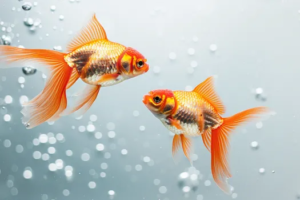
Goldfish are lively but gentle, omnivorous, and easy to school - but watch density to avoid fouled water and low oxygen. They are cold-blooded and can't take sudden 5C+ swings; best growth is 20-28C, and they like slightly alkaline water (pH 7.5-8.0). Main types: grass, wen, dragon (pop-eye), and egg (no dorsal fin).
How to Care for a Lovebird
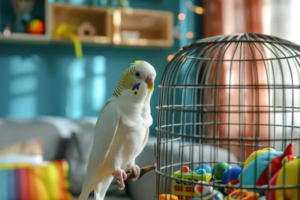
Use a sturdy metal cage (not wood - they chew and may escape), line the bottom with shavings or sand, and feed a balanced pelleted diet plus grains, fruit, and vegetables (avoid avocado and sugary or fatty human food). Feed by age - newborns every 1-2h, adults once daily - and change food and water daily. Give cooled boiled water in a shallow dish and keep them cool.

What to Feed a Cat for a Glossy Coat
Improve a dull coat with food rich in essential fatty acids (fish, flaxseed, or olive oil), vitamin A, vitamin E, and zinc, plus high-quality protein like chicken, fish, and turkey - hair is mostly protein. Also groom regularly, keep good water, exercise, sleep, and sun, and see a vet if it doesn't improve.
Should You Wipe a Cat’s Bottom After It Poops?
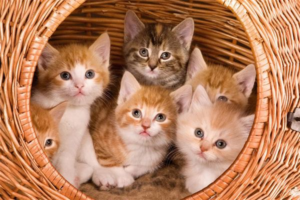
Normally you needn't wipe a cat's bottom - stools are formed and the cat grooms itself; wiping makes it lazy. Only clean it if diarrhea soils the fur. Also, a cat's no-touch zones are the butt, belly, tail, and paws; strangers should avoid them and start with the back.

What to Do When a Rabbit Eats Only Pellets and Refuses Hay
Rabbits need hay for fiber, gut health, and teeth grinding. Refusal comes from taste preference, new environment, or poor hay quality. Fix it by cutting pellets gradually, offering varied hays (alfalfa, timothy, etc.), and keeping hay fresh. Watch intake, weight, and droppings.