Search Results
2848 results for “balance”

Why Won’t My Cat Eat Meat? What to Do When a Cat Eats Only Kibble and Refuses Meat
Cats are obligate carnivores that depend on meat for essential nutrients such as taurine, yet some refuse meat and accept only kibble. This article explains why a cat may turn away from meat, whether an all-kibble diet is sufficient, and practical steps to reintroduce meat safely.
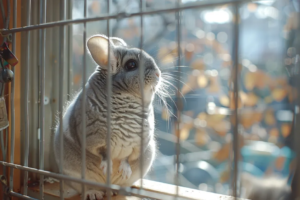
Why Is My Hamster Losing Fur on Its Belly, and What Helps?
Belly fur loss in hamsters is usually caused by a skin condition from a fungal, bacterial, or parasitic infection, but poor nutrition or abrasive bedding can also be to blame. This article covers the common causes and the practical steps and treatments to help the fur grow back.

What Are the Symptoms of Low Blood Sugar (Hypoglycemia) in Cats?
Symptoms of feline hypoglycemia include seizures, weak or limp limbs, lethargy, slowed responses, and pale gums. It is confirmed with a blood chemistry test, and treatment must address the underlying cause. This article details the causes and treatment of low blood sugar in cats.

What Are the Dangers of a Picky Hamster, and How Can You Fix It?
Picky eating is common in hamsters, but long-term selective feeding is harmful: an unbalanced diet leads to malnutrition and raises the risk of conditions such as diabetes. This article explains the degrees of pickiness, its dangers, and how to correct the habit.

Things to Know When Caring for a Chinchilla
Chinchillas have dense fur and hate heat; around 20°C (68°F) is their comfort zone, so owners must manage both warming and cooling. This article covers the key husbandry points—environment, cage, and diet—for keeping a chinchilla healthy.
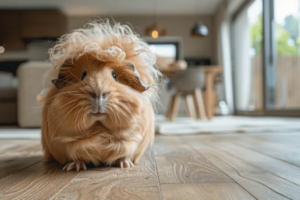
Supplies You Need to Care for a Chinchilla
A good home and the right gear are essential for keeping a chinchilla healthy. This article lists the items you'll need—cage, nest box, dust bath, feeder, water bottle, exercise wheel, bedding, and food—so new owners know what to prepare.
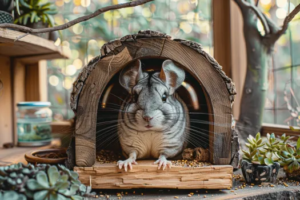
What Is a Chinchilla’s Personality Like? Key Things to Know Before You Get One
Chinchillas—also called velvet rats—have dense, soft fur and a gentle, non-aggressive temperament, which makes them a favorite pet. This article covers their fur, personality, lifespan, and diet so new owners know what to expect.
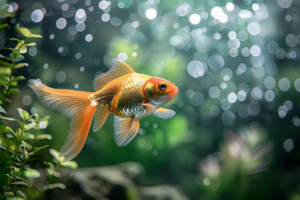
The Arowana Breeding Process
Arowana breeding requires specific water temperature and quality, and proceeds in three steps: pairing, egg-carrying, and spawning. This article walks through each stage and the care needed during the breeding period.

Why Do Arowanas Sink Head-Down, and How to Prevent It
Arowana 'sinking head' is directly caused by a malfunctioning swim bladder, tipping the head down and tail up. Many factors are behind it, so find the exact cause and treat it. This article analyzes the causes and prevention.

What to Do When an Arowana Is Picky or Won’t Eat
Low appetite in arowana puzzles many owners. It's affected by water quality, environment, and the fish itself. This article shares ways to keep an arowana eating well.