Search Results
2848 results for “balance”

How to Prevent White Spot Disease in Koi
Koi white spot disease (ich) is caused by the parasite Ichthyophthirius, which dies in high heat. Prevent it by keeping water warm, maintaining good water quality (stable pH/ammonia, regular partial changes), avoiding overcrowding, quarantining new fish, and monitoring health.

How to Train a Budgerigar to Drink from a Fixed Spot
Train a budgerigar to drink from one spot by offering a stable, tip-proof water cup in a fixed place, giving water at the same times daily, and rewarding it with a treat when it drinks there. Consistency builds the habit and eases your care.

How to Build a Strong Bond with Your Border Collie
To build a strong bond with a Border Collie, invest time in training, earn its trust with gentle positive reinforcement, give plenty of attention and affection, and meet its needs for diet, healthcare, and activity.

How to Tell if a Black Wolf Dog Is Purebred
By looks and temperament, a pure black wolf dog has bright eyes (black as a pup, light red or orange as an adult), solid glossy black coat, a strong balanced build with heavy bone and muscle, and a curious, somewhat fierce but deeply loyal nature. The surest proof is pedigree papers from a reputable source, with expert or DNA help when needed.

Why You Should Never Grab a Cat by the Tail
Grabbing a cat by the tail is painful and risky: the tail is made of small bones linked to nerves and muscles, and pulling it can injure bones, nerves, and balance, even upsetting the stomach. A frightened cat also loses trust in you. Always let the cat come to you and support its chest and hindquarters instead of the tail.

Essential Tips for Raising a Rabbit
Raising a rabbit is easy, but raising one well takes commitment. The essentials: always provide clean (never tap) water, make hay the staple with age-appropriate pellets and veggies as supplements, allow daily exercise and litter training, keep the habitat clean, rabbit-proof hazards, and skip frequent baths. A balanced diet and clean home are the foundation of rabbit health.

How to Feed a Red-Eared Slider and What to Watch For
Feeding a red-eared slider depends on its life stage: hatchlings need daily meat-rich meals, while adults do well with pellets, insects, and veggies two to three times a week. Keep water clean and warm (23–30°C), provide a basking spot, and stop feeding once they hibernate below 11°C — just maintain water above 4°C.

Which Ornamental Fish Can Live in Cold Water?
If heating the tank feels like a hassle, choose coldwater fish. Good options include the white cloud mountain minnow, comet goldfish, paradise fish, medaka, goby, bitterling, hillstream loach, and koi — most thrive between 5 and 30°C without a heater, though very low temperatures can dull their color.

What to Do When Cat Hair Is Everywhere
When cat hair fills the home, brush your cat regularly with a pet comb to remove loose fur. Use a vacuum or lint roller on furniture, carpets, and bedding; for wipeable surfaces, a damp cloth balls the hair for easy pickup. Tape also works without tools. Regular baths and proper humidity help skin and coat health.
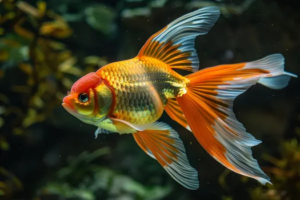
How to Improve the Survival Rate of Ornamental Fish
To raise survival, fishkeepers should feed reasonably, change water regularly, clean filter media, keep temperature suitable, and control stocking density. Match diet to the species, control amount and frequency; regular water changes and filter cleaning keep water quality. Keep temperature right and density appropriate for tank size. Before mixing species, learn which coexist to avoid losses.