Search Results
2848 results for “balance”

Why Does a Goldfish’s Tail Rot?
Goldfish tail rot comes from poor water, overcrowding, bacterial infection, or tail rot disease. Fix water promptly, lower density, isolate and bath infected fish with gentamicin, and for the disease use salt (early) or yellow powder/malachite green (severe). Disinfect the original tank to protect healthy fish.
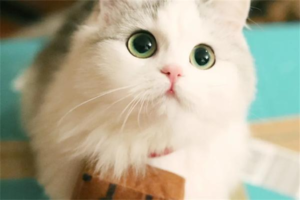
Why Is a Kitten Drooling?
Kitten drooling can be normal (grooming, food stimulus, stress) or a disease sign (oral disease, heatstroke, respiratory infection, poisoning). Keep the environment calm to reduce stress; brush teeth regularly, feed a balanced diet, avoid toxic plants and chemicals, and see a vet if other symptoms appear.
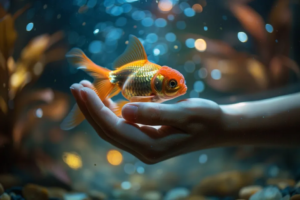
Why Does a Goldfish’s Tail Droop?
A drooping tail comes from poor water, low temperature, natural aging, or swim bladder disease. Fix water (change 1/3, temp swing under 2C), raise temp to 18-25C with a heater, accept aging as normal, or for swim bladder disease raise temp and add coarse salt. Keep water and temperature stable.

Cat Heatstroke: Symptoms, First Aid, and Prevention
Feline heatstroke is essentially what we call overheating — it occurs when a cat stays in a hot, humid place and cannot shed excess body heat. Signs mirror human heatstroke: rising temperature, mouth breathing, fast heart rate, restlessness, and panting, progressing to neurological signs and death. Cats cannot cool themselves, so on hot days keep them indoors with good ventilation and avoid outdoor sun exposure.
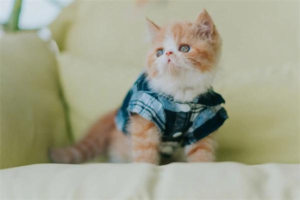
Feline Sunstroke: Causes and Treatment
Feline sunstroke is a form of heatstroke caused by prolonged, intense sun exposure that overwhelms the body's ability to shed heat. Signs include high temperature, rapid breathing, lethargy, unsteady stance, and in severe cases agitation and neurological signs that can end in death. At the first sign, move the cat out of the heat and cool it down; for serious cases, seek veterinary care because complications can cause permanent harm.

How Long Do Goldfish Live?
Goldfish typically live 6-7 years, but home-kept fish often reach only 3-4. Lifespan depends on environment and feeding; well cared for, a goldfish can live over 10 years. To extend life, choose a healthy fish, provide good water quality and stable temperature, feed a balanced diet, and watch for illness daily.
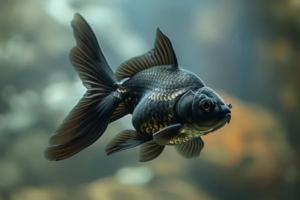
Signs Your Goldfish Is Ready to Breed
Breeding signs are clear: the female's abdomen swells with eggs, appetite drops, and she grows sluggish; the male becomes lively and chases her, sometimes nipping. A male in breeding condition also develops small white spots (nuptial tubercles) on the leading rays of his pectoral fins, which vanish after the season. Plan ahead with a rearing pond, extra nutrition, and stable water.

Goldfish Habits and Breeding Behavior
Goldfish are social and do best in groups of two or more, but watch stocking density. They tolerate 0-39°C yet cannot stand sudden temperature swings, which can be fatal — keep temperature stable, ideally 20-28°C. They are omnivores eating animal, plant, and prepared foods; balance the diet for nutrition.

Why Do Goldfish Get Enteritis?
Dirty food, overfeeding, poor water, and bacterial infection are common causes. Early signs are lethargy, slow movement, and refusal to eat — often treatable with water change, salt, and warmth. Mid-stage shows a protruding, red, swollen vent and darkened body, needing nitrofurazone baths. Late stage may fill the abdomen with mucus and needs antibiotics or metronidazole with furazolidone.
How Should You Feed Goldfish?
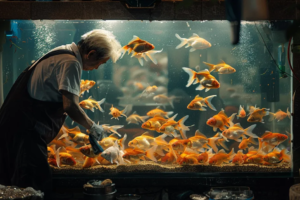
Goldfish are omnivores eating animal, plant, and prepared foods. Young fish need frequent small meals (2-3 times daily, what they finish in 5 minutes) rich in animal protein; adults do well on prepared pellets as a staple for balanced nutrition and less water fouling.