Search Results
2849 results for “balance”

Common Mistakes to Avoid When Raising a Cat
Many new cat owners lack experience and misunderstand their pets, leading to common care mistakes such as keeping toxic plants, scolding the cat, or feeding table scraps. This article lists typical cat-raising mistakes so owners can avoid them.

Can Blood Parrot Cichlids Eat Mealworms, and How Often?
Blood parrot cichlids are popular, lively, sometimes greedy fish, so owners should know their diet. Mealworms are a common feed — can parrots eat them, and how often? This article explains.

What to Do When a Rabbit Has Heatstroke
Rabbits overheat easily because of their thick coat and poor heat dissipation, and severe heatstroke can be fatal. Move a stricken rabbit to a cool, ventilated place, cool it with a damp towel, and prevent recurrence by keeping cages shaded, well-ventilated and supplied with plenty of water.

Should Dogs Eat Bones? How to Do It Safely
Vets often warn against bones because they are hard to digest and can block the gut, yet they also clean teeth, calm boredom, and add calcium. If you do give them, choose raw, large, non-hollow bones and avoid cooked poultry bones that splinter; cartilage, pressure-cooked bones, fish heads, necks, tails, frames, and pork fans are safer picks.

Preventing and Controlling Rabbit Colibacillosis
Rabbit colibacillosis (mucoid enteritis), caused by Escherichia coli, strikes weanling rabbits hardest with high death rates from watery, jelly-like diarrhea and dehydration. Prevention hinges on steady high-fiber feeding, clean dry housing, insect and rodent control, and feed-additive or vaccine prophylaxis.

Why Is My Cat Licking Its Lips?
A cat licking its lips may just be grooming after a meal, but it can also signal stress, mouth pain, nausea, dry mouth, or an upper respiratory problem. Watch for drooling, bad breath, or frequent licking, and see a vet if anything seems off.

How to Care for a Teddy (Poodle) and What to Watch
The Teddy (Poodle) is the smartest small dog — lively, gentle, loves interaction, and adapts fast, so it's a family favorite. But care needs attention or health issues arise. Here is how to keep one and the precautions.

What Do Guinea Pigs Eat and How to Care for Them
Guinea pigs are easy to keep, but new owners should learn the right diet and care: what to feed, how many meals a day, and so on. Here are the key points of guinea pig care.

Why Is Your Goldfish Floating Belly-Up?
Many things cause a goldfish to float belly-up — low oxygen, poor digestion, swim bladder imbalance — and each needs different treatment. This article analyzes the causes.
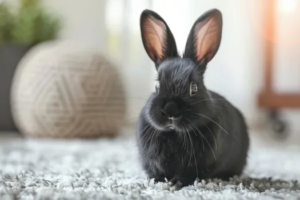
Rabbit Constipation: Causes and How to Prevent It
Rabbit constipation, common in young and old rabbits, comes from dry hardened gut contents due to poor feeding, too much concentrate, low water, or too little exercise, and can block the gut. Signs are poor appetite, hard small stools, then no stool with a painful belly and palpable hard masses. Prevent with balanced feed and water plus exercise; treat early with greens and, for severe cases, sodium sulfate or salt laxatives.