Search Results
2849 results for “balance”

A Beginner’s Guide to Keeping a Golden Hamster
Small pets are easy to keep, which is why animals like guinea pigs were tamed. The golden hamster, also called the Syrian hamster, is a favorite. Here is how beginners should care for one.

What Causes a Cat to Lose Its Whiskers?
Cats lose whiskers from normal shedding (kittens and seniors), skin disease, or nutritional deficiency. Whiskers are a sensing and measuring organ — never cut them. Keep a balanced diet and a clean environment, and see a vet if hair loss or redness appears with the whisker loss.
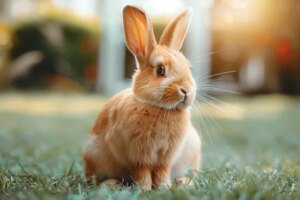
How to Improve a Young Rabbit’s Constitution
For a strong young rabbit, manage its diet strictly and feed sensibly for balanced nutrition. Also keep its environment suitable and give moderate exercise to boost resistance. This article shares tips to improve a young rabbit's health.
How to Improve Rex Rabbit Pelt Quality
Rex rabbit pelt quality depends on breeding, early growth, and feeding. Use cross-line breeding with strong lines, push weight gain before 3.5 months then limit it, feed complete pellets with additives, keep the hutch near 25°C and 55 to 65% humidity, and slaughter at about 5 months and 2.5 to 3 kg.

How to Maintain Your Cat’s Dental Health
Tartar and gingivitis are common feline dental problems, usually caused by owners feeding too much soft food and skipping regular teeth cleaning. This article shares practical methods and tips to keep a cat's teeth healthy.

Chinchilla Fur Care Tips
A chinchilla's dense coat is cleaned with dust baths, never water, and stayed healthy through balanced diet and regular care. Feed alfalfa for protein and amino acids and mulberry leaves for minerals, or a quality pellet matched to the individual; dust-bathe with fine volcanic-ash powder, adjusting frequency to humidity and the twice-yearly molts, since over-bathing dries the skin.

Why a Doe Eats Her Kits and How to Prevent It
A doe may eat her kits from thirst after birth, low milk, poor prenatal nutrition, fright, a cannibalistic habit, strange smells, or illness. Prevent it with strong prenatal feeding and warm salted water after kindling, a quiet space, no scent changes or bare-hand handling, and fostering only after masking the kits with the foster doe's milk and urine.

Symptoms and Treatment of Seborrheic Dermatitis in Dogs
Canine seborrheic dermatitis is linked to genetics, hormonal imbalance, nutritional deficiency and skin infection. Affected dogs often give off a distinct odor along with hair loss, mild itch, and greasy yellow buildup on the skin. This article explains the symptoms, causes and treatment.

Key Techniques for Training Your Dog
Good dog training relies on four balanced techniques: lure with food to build interest, apply moderate pressure when a dog resists, correct unwanted behavior promptly and seriously, and reward correct actions right away with food, praise, or affection. Match the method to the dog's temperament and the task.
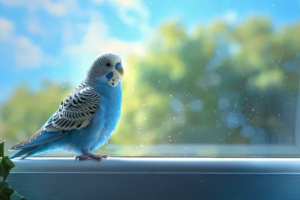
Keeping and Taming Lovebirds (Agapornis)
Lovebirds (Agapornis) are small, pretty, affordable African parrots that cannot mimic human speech clearly but copy other birds and animals well. Keep them in pairs or flocks in a sturdy cage, bathe them weekly in summer and dry in sun, and feed varied seed, millet, oyster shell, and fruit. For chicks, use wood-shaving bedding, keep warmth above 25°C, and build a call signal during feeding so they bond and recognize you.