Search Results
2849 results for “balance”

Rabbit Cannibalism of Kits: Causes and Prevention
Cannibalism of kits is a metabolic and nutritional disorder that peaks right after kindling, driven by salt, calcium, protein, or B-vitamin gaps, thirst, fright, odd smells, or poor mothering. Signs are missing kits with blood in the box. Prevent with complete feed, ample water, no handling of kits, quiet surroundings, and isolating the doe if she has the habit.

Can Dogs Eat Salt? How Much Is Safe
Dogs do need salt (sodium) for normal metabolism and electrolyte balance, and a long-term deficiency causes dry, split fur and hair loss. The real risk is excess: too much salt over time burdens the kidneys and heart and can cause salt poisoning, so a balanced diet plus about 1% added salt in home-cooked meals is enough.

Benefits of Home-Cooked Meals for Dogs
Home-cooked dog meals give you control over safe ingredients, higher retained nutrition, easy diet tweaks for illness, easier digestion, lower allergy risk, lower cost, and better palatability. The trade-offs are softer food that needs dental care, the time to cook balanced meals, and the danger of toxic ingredients like onion, garlic, avocado, and grapes.

Preventing and Treating Feline Steatitis (Yellow Fat Disease)
Feline steatitis, also called yellow fat disease, is a metabolic disorder usually from too much unsaturated fat and vitamin E deficiency in the diet. This article explains it.

Feline Hepatic Lipidosis: Causes and Treatment
Fatty liver, also called hepatic lipidosis, is an endocrine disorder from impaired liver cells. In cats it's often triggered by anorexia, obesity, or stress. This article details it.

Rabbit Feeding Habits and Eating Behavior
Rabbits are single-stomach herbivores that prefer plants, pellets and a little vegetable oil or sweet feed, with animal feed kept under 5%. They practice coprophagy — eating nutrient-rich soft cecotropes at night — and eat mostly after dusk, so sudden feed changes cause refusal and gut upset. Introduce any new feed, including animal protein during pregnancy or lactation, gradually.
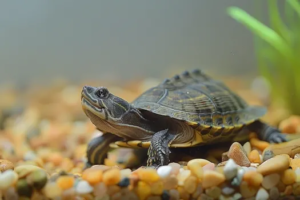
What Environment Suits a Pet Turtle?
Turtles are semi-aquatic, cold-blooded animals that breathe with lungs and live in lakes, ponds and rivers — active and feeding in water by day, foraging on shore at night, and very timid. Below 10°C they hibernate in mud or burrows until water rises above 15°C in April. They eat a wide diet (feed about 5% of body weight), and their color shifts with the habitat as natural camouflage.

Preventing and Treating Rabbit Pasteurellosis
Pasteurella multocida lives quietly in the nasal and tonsillar tissue of many healthy rabbits and strikes only when stress or poor husbandry lowers resistance, spreading through secretions and contaminated feed or water. Control it with strict sanitation, regular vaccination, and prompt antibiotic or antiserum treatment.

A Turtle’s Main Nutritional Needs
A turtle needs protein, fat, carbohydrates, minerals and vitamins; a lack of any stalls growth, causes disease and can be fatal. Protein demand falls with age (hatchling > juvenile > breeder > adult) and must be animal-based; fat carries vitamins A/D/E/K but rancidizes if not stored cold and sealed; starch is best around 22.7–25.3%. Captive turtles also need added calcium, phosphorus and a complex vitamin mix.

What Beginners Should Know About Keeping Goldfish
More people keep pet fish, but beginners have many questions at first. Here are key points for keeping goldfish and other pet fish, to help you raise them better.