Search Results
704 results for “Warmth”
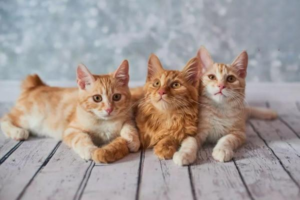
Why Cats Bury Their Head When Sleeping
The head-buried sleep pose is the most common—not repentance or heartbreak, just light. Cats like to doze near their humans, who need light awake; so the cat tucks its face in to sleep. It won't suffocate (you survive a covered head too, though mild oxygen drop can cause bad dreams). Other ideas—that the nose is a thermostat needing paw-warming, or that it's for security—lack evidence. Given a cat's glowing eyes, the simplest reason is the room is too bright.

Common Everyday Cat Illnesses
Five common cat issues: (1) Upper respiratory infection—cough, sneeze, runny nose (yellow discharge is a red flag), from cold or poor nutrition; prevent with warmth and good food. (2) Fleas—scratching and black specks after a bath; treat with a vet-recommended flea product. (3) Heartworm—intermittent vomiting, cough, wheezing, lethargy; prevent with monthly prevention and by controlling mosquitoes (the intermediate host) and clean water. (4) Periodontal disease—bad breath, drooling, only soft food; prevent with regular brushing/cleaning. (5) Obesity—oval loaf shape, jiggling belly, hard-to-feel ribs; leads to diabetes, lower-urinary disease, arthritis, hepatic lipidosis; feed measured meals and exercise.
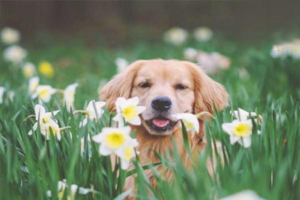
Preventing Autumn and Winter Dog Illnesses
Cold seasons bring risks. Keep warm—especially puppies and seniors—with a warmer bed, blanket, or heat lamp (watch electrical safety and distance); bathe at midday in sunlight, less often, warmer water. For weather-related colds (sneeze, runny nose, cough), use pet-specific cold medicine and warmth—never human drugs—and see a vet if it worsens. Keep walking for immunity; short-haired or weak dogs can wear coats and must be dried after rain. Diet may need more frequent small meals; keep probiotics ready for soft stool. Deworm year-round (fleas stay active), and expect the autumn coat shed (Sept–Oct).
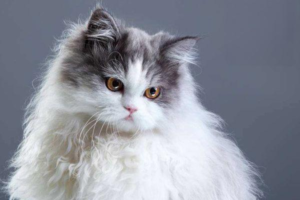
Why Cats Drink From the Foot Basin
It looks odd, but a cat eyeing the foot basin is usually acting on instinct rather than mischief. Two forces drive it: a strong pull toward fresh water, and outside stimulation. Cats trust running, wide-surface water more than a stale bowl, and the warmth and motion of a foot bath read as fresh and interesting. The steam and a moving foot also stir their curiosity and nose. The takeaway is that strange drinking habits signal an unmet need — cats are only partly domesticated, so the better fix is to meet the need than to fight the habit.
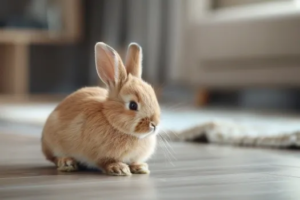
Do Rabbits Need to Hibernate?
Rabbits do not hibernate. As warm-blooded animals, they regulate their own body temperature and stay active through winter. That said, they still feel the cold despite their thick fur, so owners must provide warmth and shelter when temperatures drop. Moving the hutch indoors, sealing drafts, lining the cage, and adding soft bedding all help prevent chilling. Adjusting the diet with extra food and higher-calorie items supports their increased winter energy needs. This article explains why rabbits skip hibernation and how to keep them safe in cold weather.
Preventing Autumn Diarrhea in Dogs
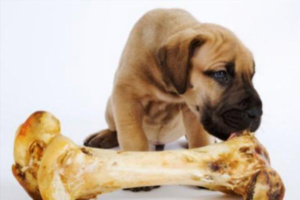
Dogs can get diarrhea in any season, usually from poor feeding habits or a habit of chewing whatever they find. Frequent bouts leave the gut fragile and hold back healthy growth, so prevention matters most when the weather turns. In autumn, sharp day-and-night temperature swings, a seasonal rise in infectious disease, and faster food spoilage all raise the risk. A warm sleeping spot, up-to-date vaccinations, and fresh, properly handled food are the three habits that keep a dog's stomach settled through the change of season.

Why Does My Hamster Twitch While Sleeping?
A sleeping hamster is usually still, so little twitches and jerks can worry a new owner. Most of the time the cause is harmless: muscles still settling after play, a vivid dream, nervousness in a new home, or simply feeling cold. Only when twitching pairs with other signs of illness should you worry. The fix is usually comfort and warmth rather than medicine. This guide explains the common reasons a hamster shakes in its sleep and what you can do to help it relax.

A Complete Guide to Pet Spay and Neuter Surgery
Spaying or neutering is one of the most responsible decisions a pet owner can make. For dogs and cats, the ideal window is around 6 to 8 months of age, ideally before the first heat cycle, which lowers the risk of reproductive diseases and unwanted behaviors. The procedure should only be performed on a healthy animal that is fully vaccinated, has adequate antibody levels, and is regularly dewormed. Once you choose a trusted veterinary clinic, you can book the surgery and share your pet's age, vaccination, and deworming history. The clinic will explain pre-operative fasting rules. This guide walks you through the timing, preparation, and the step-by-step process on the day of the operation so you know exactly what to expect.
Why Is My Cat Vomiting Green Liquid and How Should I Treat It?
Seeing your cat bring up green liquid is worrying, but it usually points to one of a few common and manageable causes. The green color often comes from bile, which appears when the stomach is empty or the gut is irritated. Frequent triggers include acute gastroenteritis from weather changes or sudden diet switches, internal parasites, spoiled food, and hairballs that will not pass. The right response depends entirely on the underlying cause—some cases need only warmth and probiotics, while others call for prompt deworming or a vet visit. This guide walks through each possibility and the matching treatment.
Why Cats Love the Fire in Winter (and How to Keep Them Safe)
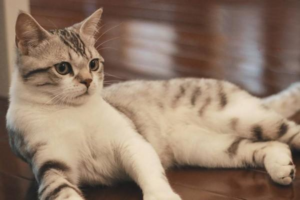
Cats seek warmth because their normal temperature runs higher than ours and, with fewer heat-sensing neurons, they feel cold more and heat less, so they bask and curl by heaters. But fur has few pain receptors, so a cat can singe its coat without noticing. Keep heaters behind a guard and never leave a cat alone with one; choose well-insulated, heated, or warm-material beds and turn off devices when unsupervised.