Search Results
704 results for “Warmth”

What Is Canine Herpesvirus Infection
Canine herpesvirus type 1 causes an acute, often fatal disease in young puppies. Adult dogs usually carry the virus without signs, but newborns can die within a day of infection. Because treatment is poor once signs appear, warmth and supportive care, plus prevention, are what matter most.

Does a Folded Tail Affect a Cat Much?
A folded (kinked) tail doesn't stop a cat from living normally, but it signals a genetic weakness—common in Siamese cats—that can mean a weaker constitution, poorer balance, and a shorter life. With careful care these cats live well and stay healthy, but because the trait is inherited and can pass on a frailer build, breeding folded-tail cats is generally discouraged. The tail is a balance organ, so affected cats are less steady jumpers. Tell a folded tail apart from a short tail: Japanese, American, and British Shorthairs are short-tailed by breed, not defect, and can breed normally. Support a folded-tail cat with good nutrition and warmth.

Why Cats Lick Their Fur
Cats lick hundreds of times a day for many reasons. Cleaning: it removes dirt and parasites and prevents mats. Cooling: in summer, saliva on the fur evaporates and carries heat away. Warming: in winter the fluffed, licked coat traps an insulating air layer. Stress relief: licking soothes anxiety. Vitamin D: skin oils made under sunlight are ingested during grooming. Itch: a rough tongue relieves parasite or bacterial skin irritation. And socially, a cat marks 'own' by leaving its scent, and only the higher-ranked cat gets to groom another - unlike dogs.

Can You Bathe a 2-Month-Old Kitten?
Bathing a 2-month-old kitten is generally not recommended. A kitten's immune system is still developing and its skin is delicate, so a bath can cause chills, skin irritation, or infection. At this age, routine cleaning—ears, teeth, and claws—is enough. If a kitten is genuinely dirty or greasy, a warm, damp cloth is safer than full immersion. Should a bath be truly necessary, keep the water warm, be gentle, avoid the eyes and ears, and dry the kitten thoroughly afterward to prevent chills. Here is what every new owner should know about the risks and the safer alternatives.
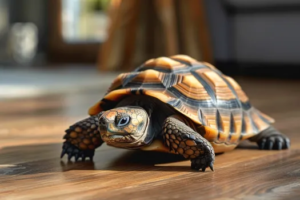
How to Care for a Hermann’s Tortoise as a Beginner
The Hermann's tortoise is a popular, beginner-friendly land tortoise, but new keepers still need to get the environment right. Aim for steady warmth—around 26–32°C by day, 18–21°C at night—using a thermostat to avoid swings, and keep humidity near 40–50%, adding moisture when the air is dry. Plenty of light matters: natural sun is best, while indoor setups need UVB and full-spectrum lamps to support appetite, digestion, and growth. Give the tortoise room to roam plus a hide for security, and wait three days after arrival before offering food so it can settle. A habitat that mimics nature is the foundation of good health.

What to Do When Your Cat’s Temperature Drops to 37°C
A normal cat temperature sits between 38.5°C and 39.5°C, so a reading of 37°C is below the healthy range and worth taking seriously. The right response depends entirely on the cause. Sometimes it signals a weak or sick cat that needs warmth and a vet; other times it is a normal, expected dip just before labor. Here is how to tell the difference.

Intervertebral Disc Disease in Dogs
IVDD happens when a spinal disc bulges or bursts, pressing on the cord and weakening the hind legs. Signs range from a wobbly gait to lost knee reflexes and dragging toes, and need prompt care. Treatment blends anti-inflammatory and nerve-support medication with acupuncture and heat therapy, and daily home warmth aids recovery.

Handy Cat Gear Owners Love
Some simple items make cat life smoother for both of you. A cat tent beats a heavy cage for space and cleaning, a basket or crate often beats a bought bed, a flowing-water fountain encourages drinking, and a spray bottle curbs kitten mischief without harm. Here are a few favorites worth knowing.

What New Cat Owners Should Know
Bringing a cat home is joy and responsibility, so prepare mentally as well as materially. Night activity, shedding, scratches, and curiosity are all part of cat life. This guide covers the realistic expectations, the gear to buy, and the steps after adoption: quarantine windows, vaccines, warmth, and the right time to neuter.

Lice on Cats and Dogs: Symptoms, Risks, and Treatment
Lice peak in winter, especially in January, when thick coats let them breed undisturbed. They strike young, stray, and undernourished pets, causing itching, restlessness, hair loss, and in heavy infestations anemia and weakness. Two main types live on pets: blood-feeding sucking lice and coat-chewing lice, each with its own species on dogs and cats. Lice are host-specific and do not infect people, though fleas from pets can. This guide covers the types, the harm they do, how they are diagnosed, and how to treat and prevent them.