Search Results
704 results for “Warmth”
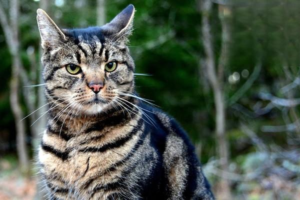
Why Does a Siamese Cat’s Fur Turn Black?
A Siamese cat's coat darkens for a reason that has nothing to do with sunlight: it is driven by temperature. These cats carry a variant of the TYR gene that limits production of the enzyme tyrosinase, which only works properly in cooler areas of the body. As the weather turns cold, the points, face, and ears grow darker, sometimes leaving a near-black 'mask.' The change is largely genetic and cannot be reversed, but keeping the cat warm and limiting iron-rich foods such as liver can slow the process. This article explains the science and what owners can realistically do.

How to Train a Cat to Sleep in Its Own Bed
To stop a cat sleeping on your bed, give it a comfortable cat bed placed in a quiet, hidden spot, not a busy hallway. During training, keep your bedroom door closed to block access. To make the bed appealing, put the cat's favorite toys and familiar-scented items inside, or use treats to guide it there. Start young if possible, and be consistent: when the cat jumps on the bed, say no and return it to its bed. Once it adapts, clean and disinfect the bed regularly, since a cat's keen nose will reject it if it smells wrong or breeds bacteria.

Health Check and Prep Before Bringing a New Cat Home
Before a new cat comes home, a health check is the smart first step, plus a few daily supplies once it arrives. A pre-purchase exam, blood and stool tests, and X-rays map out the kitten's condition. Then watch for the big early risks: panleukopenia, cat flu, ear mites, and gastroenteritis. Avoid baths or shaving unless a skin issue demands it, since the stress can trigger behavior problems and illness. Knowing the warning signs helps you act fast.

Preventing Common Spring Cat Diseases
Spring raises two risks. Urinary disease peaks in damp weather, driven by low exercise and water intake; watch for straining and act fast to avoid acute kidney failure. Colds strike with big day-night temperature swings; keep cats warm, dry, and sheltered from drafts, and seek care if they refuse food with a high fever.

Spaying and Neutering for a Longer Bond
Neutering does more good than harm: it lengthens life by slowing organ aging, cuts cancer risk, and reduces roaming, howling, and fighting. Prepare with fasting and the right timing (after first heat, not during), and care post-op with rest, warmth, wound cleaning, and an E-collar. Males are best done at 7-8 months, females after their first cycle.

How to Care for Nursing Puppies
Caring for newborn puppies means watching for crushing and feeding in the first four days, then short sunny outings from day five, protecting unopened eyes until about day 13, freer activity after day 20 with warmth and nail trims, and deworming at one month. The goal: good nutrition, sleep, gentle activity, and hygiene.

The Secret Behind Why Cats Knead
Kneading is a habit cats form as nursing kittens, pressing the mother's belly to draw milk while feeling warm and safe. Many keep it into adulthood as a way to communicate comfort and affection. There's even an evolutionary angle: scent glands in the paws release pheromones during kneading that signal bonding and can calm aggression. When your cat kneads you, stay quiet, don't grab the tail, and let it express its love. This article uncovers the reasons and the gentle way to respond.

Can You Keep a Dog While Living Alone?
For a nine-to-five worker, the biggest worry is whether you can manage feeding and care, and what a dog does alone all day. The key issue is keeping up with three to four meals a day while a puppy is young; solve that and the rest falls into place. A dog also brings real security and warmth to a solo household.
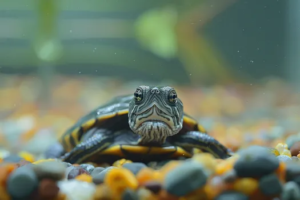
How to Prevent Turtle Eggs From Molding During Incubation
Turtle eggs can mold during incubation when temperature and humidity are off, when eggs are contaminated or cross-infected, or when they were never fertilized. Good incubation management is the key defense. After laying, check each egg for fertilization and remove infertile ones so they don't spoil in the warm, humid box and infect the rest. Keep temperature and humidity appropriate, control pests, and protect eggs from contamination and cross-infection. This article explains the causes and the practical steps to keep your hatch healthy.

Why a Dog’s Nose Changes Color
A healthy dog's nose is usually cool and moist, and a warm, dry nose alone doesn't prove illness—waking, hard exercise, heat/cold exposure, or old age do the same. Real fading comes from: age (pink as a pup darkens, then lightens in seniors as tyrosinase and melanin drop); illness or heat (returns after); season—'snow nose' in winter, returning with warmth; trauma (pink while healing); poor nutrition (low melanin); genetics/Dudley nose (permanent, harmless); allergy (contact dermatitis from plastics/metal—use glass/stainless); bacteria (swelling, crusts—vet); and vitiligo (immune, white patches, harmless). Protect a pink nose from sun; see a vet for bloody, foul discharge with weakness.