Search Results
704 results for “Warmth”

Can You Take a Rabbit for a Walk?
Rabbits can go for walks, and occasional outings benefit them: exercise builds strength and stamina, time outdoors eases stress and anxiety, and walking stimulates gut movement to improve appetite and digestion. Outings may even support a longer, healthier life. Keep it safe, though—choose a quiet area away from traffic and hazards, acclimate the rabbit gradually, avoid extreme heat or cold, and watch for signs of distress. Outdoor rabbits should also be dewormed regularly. Indoor rabbits generally do not need walks, but outdoor rabbits can enjoy moderate, supervised time outside.

Why Is My Dog’s Nose Running?
Dog nasal discharge comes from irritation of the nasal lining caused by chills, colds, or rhinitis, and its type offers clues: clear watery fluid usually means a chill, while thick or sticky discharge can signal distemper, pneumonia, bronchitis, or sinusitis. For a mild chill, keep your dog warm and hydrated; adjust the diet if it's heat-related. Persistent or accompanied discharge should be checked by a vet.
What to Do When a Dog Vomits from Getting Chilled
A dog that vomits after getting chilled needs a vet check first to rule out viral disease (distemper, parvovirus, coronavirus) or a swallowed foreign object. If those are excluded, the cause is likely ordinary gastric upset. Withhold food and water briefly, keep the dog warm, and offer easily digested food once vomiting stops; probiotics and steady warmth prevent recurrence.

How to Treat Water Mold Disease in Turtles
Water mold disease in turtles is best caught early, since most medications only work in the initial stage. The two core approaches are raising the water temperature to 28–30°C, which suppresses the fungus, and dry-docking the turtle so the fungus dies without water. For severe cases, antifungal medications such as povidone-iodine are applied topically. Combined with warmth and dry-docking, these methods give the best recovery, while preventing injury and keeping water warm remain the best long-term defense.
Is a Cat in Heat in Pain When It Won’t Stop Meowing? How to Soothe It
A cat that yowls through heat is genuinely uncomfortable, though not in physical pain—hormone swings bring anxiety and a strong drive to mate, and the loud calls are an instinct to attract distant partners. You can't switch it off, but play, pheromones, warmth, and a calm dim space ease the distress. Spaying is the only lasting cure.
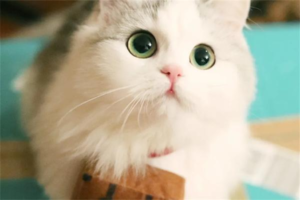
Common Genetic Diseases in Ragdoll Cats
Ragdolls are prone to two inherited diseases: hypertrophic cardiomyopathy, where the heart wall thickens and can cause sudden cardiac death, and polycystic kidney disease, where fluid cysts enlarge the kidneys. HCM peaks at four to eight years and affects about 6 percent of the breed; PKD strikes at three to ten and is avoided if both parents test clear. Neither can be cured, only managed with care, kidney-support diets and vet-guided mineral supplements, so DNA testing and routine prevention matter.

Why Do Rabbits Eat Their Own Droppings?
It is normal and harmless for a rabbit to eat its droppings. Rabbits pass hard pellets by day and soft, nutrient-rich cecotropes at night, and eating the soft ones recycles undigested fibre and nutrients, much of it from hay they could not fully break down the first time. The extra fibre also helps prevent diarrhea. Owners need not worry, though sudden diarrhea still calls for better diet, warmth and calm to avoid stress.

Clear Signs of Aging in Guinea Pigs
Aging in guinea pigs is easy to spot: loose skin, dull and thinning coat, heavy shedding, and slow walking. They live about 5 to 8 years and enter old age after 5, when body function and immunity fade and illness becomes more likely. Hearing, sight, and digestion weaken, so clear cage obstacles and adjust the diet. Seniors lose calcium and easily cramp or fracture, and their bite weakens, needing softer food and regular tooth trims plus extra vitamins.

Summer Care Tips for Hamsters
Hamsters have weak immunity and get sick easily with temperature swings, so summer care must cool them without letting them catch cold. Place the cage in a shady, airy spot with cooling mats, and if you use air conditioning keep it around 27°C with paper cotton for warmth, or use a fan that does not blow directly on the pet. Keep the diet light: normal hamster mix plus cooling foods like mung beans, watermelon, cucumber, or a little chamomile water, and always provide fresh water changed daily. Clean the cage and change bedding twice a week to limit bacteria.
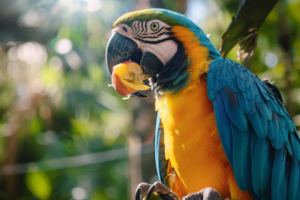
Why Is Your Parrot Refusing to Eat
A parrot that stops eating may be reacting to a new environment, disliking bland or single-note food, feeling stressed or anxious, or being ill. Most adjust to a new home within two to three days; illness brings lethargy, ruffled feathers, vomiting, or long appetite loss and needs a vet. Offer balanced species-specific feed with fruit, vegetables, and grains, give social interaction, and keep the cage clean, warm, and sunny.