Search Results
704 results for “Warmth”
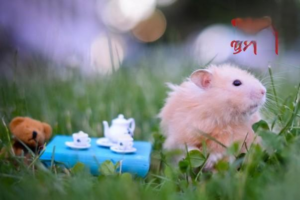
What to Do When a Hamster Suddenly Has Babies
A doe bred during heat gives birth in about two weeks, so be ready. Right after birth: separate any cagemates at once (they may eat the pups), keep the cage quiet, dim, and hidden with extra bedding and full food and water (the mother raises them alone), never touch the pups — your scent makes the mother reject or eat them, and if you must move them use a spoon; feed the mother rich food (mealworms) for milk, and split the pups to their own cage after weaning to avoid fights or inbreeding.

Key Points for Rabbit Care in October
October brings big day-night temperature swings and the molting period, raising disease risk, so the focus is protecting pregnant does through each pregnancy stage and preparing the kindling box, storing dried forage, and preventing contagious disease with vaccination, stable warmth, and weekly disinfection.
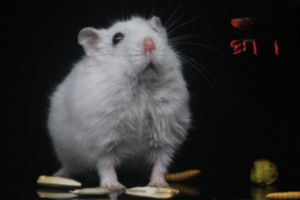
Why Hamsters Play Dead and What to Do
Hamsters play dead as a self-defense instinct when threatened or stressed, but it can also be deep sleep or, dangerously, pseudo-hibernation in winter. Wake a faking hamster with companions, play, food scents, or warmth, and always check body temperature and heartbeat if it lasts.

Can Hamsters Sunbathe?
Hamsters should never be put in direct sunlight. As nocturnal animals their eyes are built for low light, so sun exposure can injure their eyes; their safe temperature is around 25°C, above which they risk heatstroke and death within minutes; and bright light stresses them badly. In winter, keep them warm with extra bedding and a warmer, well-ventilated room instead.

Doe Rabbit Estrus Cycle
A doe's cycle is not fixed — it runs about 6–15 days with each heat lasting 2–4 days, shaped by nutrition, light, and climate. Heat rates and shorter cycles peak in spring and early autumn with good light and mild temperatures; cold, low light, poor nutrition, illness, or stress can delay or stop heat. By age 4–5 the ovaries fade and cycling ends.

Seasonal Care Tips for Hamsters
Season changes bring large temperature swings that can make hamsters sick. Adjust bedding gradually rather than removing all warmth at once, watch for colds during big day-night temperature differences, and switch to summer supplies only from late April.
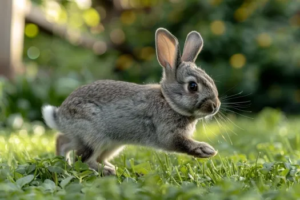
How to Raise Meat Rabbits Well
Raising meat rabbits well means timing breeding to the seasons (spring best, summer cooling, autumn nutrition during molt, winter warmth), mixing concentrate, roughage, and green feed or using complete pellets, and choosing fast-growing, disease-resistant breeds such as Belgian, New Zealand, or Chinese White rabbits.

Seasonal Care Tips for Raising Rabbits
Weather strongly affects a rabbit's behavior and health, and harsh conditions can be dangerous. Good husbandry means adapting care by season—controlling moisture and preventing coccidiosis in spring, avoiding breeding and beating the heat in summer, boosting nutrition and guarding against respiratory illness in autumn, and keeping warm in winter.

How to Care for Unweaned Rabbit Kits
Unweaned kits are fragile—they need colostrum within 6 hours, a warm dry nest, balanced nursing, and gradual bedding changes, with supplementation from 18 days and weaning at about 35 days once they reach 1.2 lb. Careful nursing raises survival.
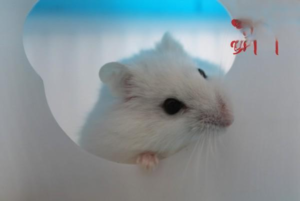
Why Is Your Guinea Pig Not Eating?
A guinea pig that stops eating usually has gut trouble or a cold. Causes include gastroenteritis (from bad bacteria, cold, or dirty water), chilling and anorexia in winter, or wrong/high-moisture foods and spoiled feed. Find the cause fast and see a vet if it persists.