Search Results
704 results for “Warmth”
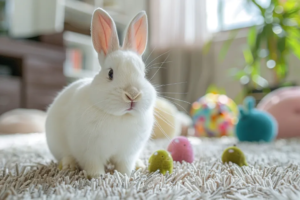
Measures Owners Should Take for Long-Haired Rabbits in Winter
Winter care focuses on cold protection; short daylight and scarce greens also challenge raising. We hope this helps the rabbit through winter.

How to Handle a Rabbit’s Watery Eyes
Foreign matter, inflammation, or disease commonly cause tearing; a rabbit may tear normally at low frequency. If the eye is always wet, something is wrong - check early. Here are causes and fixes.

Precautions for Keeping Hamsters in Winter
Hamsters fear cold, so winter is hard; without warmth they may freeze. Here are winter hamster precautions.
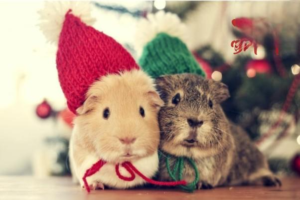
What Are the Symptoms of a Sick Hamster?
Hamsters are fragile; poor care makes them sick. Here are the signs of illness.

Can a Dog with a Cold or Fever Take Amoxicillin?
Many give human medicine to sick pets, but that is wrong — human drugs differ in dose and composition and can harm. Here is how to handle a dog's cold and fever.

Precautions for Raising Rabbits in Winter
Harsh winter conditions seriously affect rabbits. Do not assume their thick fur means they are fine — they do feel cold; below 5°C growth slows. Here are winter rabbit-raising precautions.
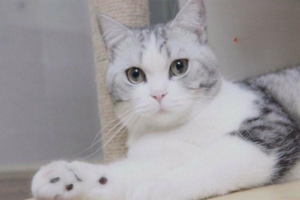
Can a Pregnant Cat Eat Hairball Paste?
Hairball paste helps pass fur and prevent vomiting, so owners keep it yearly — but some cases need caution, like pregnancy. Here is whether a pregnant cat can use it.
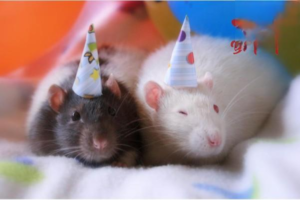
A Hamster’s Everyday Little Moods
Non-owners may find hamsters hard to read, unlike cats and dogs — but learning their moods enables real communication. Here are a hamster's everyday moods.

How to Care for Kits in Winter
Winter's cold is very harmful to kits; owners must step up care. Here is what to do so rabbits get through winter safely.

Key Points for Raising Meat Rabbits in Winter
Winter's cold, short daylight and lack of greens make meat-rabbit farming harder. Here are the problems and solutions for winter raising.