Search Results
704 results for “Warmth”
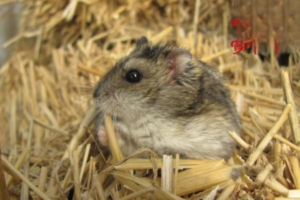
How to Care for a Mother Hamster Just After Giving Birth
Hamsters have strong reproductive ability. As long as the male and female mice are kept together, they easily become pregnant. Today we tell you how to care for a mother hamster just after giving birth.
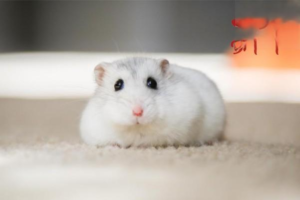
What Are the Symptoms of a Hamster Catching a Cold?
Hamsters have relatively weak constitutions and are easily chilled, and once chilled they will catch a cold. Today we talk about the symptoms of a hamster catching a chill.

How to Care for a Dog with Heart Disease
A heart-disease diagnosis is not a death sentence — lifespan depends on how early it is caught and how well it is managed. Learn the symptoms, why dogs die from it, and how to help your dog live longer through medication, diet, temperature, and calm.

Preparations for First-Time Hamster Owners
New owners often panic from lack of basic knowledge. Before bringing a hamster home, prepare a cage, food, bowl, bottle, wood shavings, thermometer, and scale. On arrival, let it settle in a quiet box, keep temperature near 25 C, weigh to gauge age, and avoid peeking or handling for the first week; separate cages for multiple hamsters to prevent fights.

How Long Should a Kitten Sunbathe?
Moderate sun helps kittens absorb calcium and grow, but too much risks sunburn. Benefits include warmth, vitamin D, and UV sterilization against skin disease. In mild seasons 1 to 2 hours daily; in strong summer sun, before 11am or after 5pm for under an hour. Avoid forcing reluctant or short-furred cats.

Fever in Dogs and Cats: Causes, Detection and How to Reduce It
Fever in dogs and cats can stem from infections or non-infectious issues like heatstroke and post-vaccine reactions. Learn how to take your pet's temperature, recognize fever signs, and safely reduce fever with cooling and vet-approved medication.

Medications and Care for Common Pet Injuries: Fractures, Sprains, Burns, and Wound Infections
Pets can suffer fractures, sprains, burns, bee stings, snake bites, and wound infections, especially outdoors. Prompt first aid prevents infection and permanent damage. This article covers causes, symptoms, and the medications for each.

Symptoms and Prevention of Pet Hypoglycemia
Pet hypoglycemia ranges from mild (weakness, drowsiness) through moderate (anxiety, tremors, confusion) to severe (numbness, coma, life-threatening). Because the signs aren't unique, a first episode warrants a vet check. Prevention means regular monitoring, warmth and deworming, set meal times, and careful use of any medications.

Feline Hypoglycemia: Causes and Treatment
Hypoglycemia in cats shows as weakness, stumbling, seizures, and partial numbness. Kittens crash from cold, hunger, or poor absorption; adults from stress or over-exercise; seniors from insulin-producing tumors; diabetic cats from wrong insulin doses. Treatment restores sugar and addresses the underlying cause, with small frequent meals for prevention.

What Winter Warming Measures Suit Rabbits?
Rabbits like 17-27℃; newborn kits need ~25℃ to avoid fatal chilling. Winter is here, so warming matters. What measures? We explain.