Search Results
859 results for “W gene”
Why You Might Consider Genetic Testing for Your Dog
People use genetic testing to screen for inherited disease and confirm family ties; dogs can benefit too. A breed dog's DNA test can flag the risk of more than 130 inherited conditions, confirm whether a pricey puppy is truly purebred, serve as proof of identity if it is lost or stolen, and even predict behavior traits. It is a practical tool for smarter, more personal care.
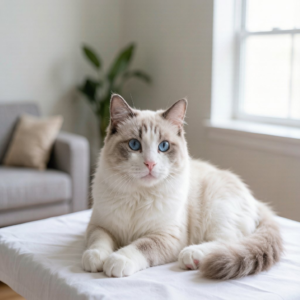
Common Genetic Diseases in Ragdoll Cats
Ragdolls are prone to two inherited diseases: hypertrophic cardiomyopathy, where the heart wall thickens and can cause sudden cardiac death, and polycystic kidney disease, where fluid cysts enlarge the kidneys. HCM peaks at four to eight years and affects about 6 percent of the breed; PKD strikes at three to ten and is avoided if both parents test clear. Neither can be cured, only managed with care, kidney-support diets and vet-guided mineral supplements, so DNA testing and routine prevention matter.

Degenerative Arthritis in Dogs and Cats: Symptoms, Treatment, and Prevention
Degenerative arthritis (osteoarthritis) is non-suppurative wear of joint cartilage from years of uneven load, more common in older pets. It causes pain, stiffness, limited motion, and lameness that worsens with activity and cold weather. Weight control, controlled exercise, pain relief, and surgery in severe cases manage it.

Degenerative Joint Disease (Arthritis) in Dogs: Diagnosis and Treatment
Degenerative joint disease wears away the smooth cartilage that lets joints move without pain. It can last a dog's lifetime, so early recognition, accurate diagnosis, and weight and medication management matter most.

Scottish Fold Cats and Their Genetic Health Problems
Scottish Fold cats were bred for their folded ears, but the same gene that folds the ear also causes painful bone and cartilage disease. Every Fold carries the defect, so care focuses on comfort, a gentle diet, and daily grooming they cannot do themselves.
The Secret Behind Cats With Two Different Eye Colors
Odd-eyed cats - sometimes called "strange eyes" - have two differently colored irises and usually turn up in white cats; among purebreds, matching eye color is the norm, so odd eyes are typically from mixing. The condition, heterochromia iridis, is not a disease. Japan once called gold-and-blue eyed cats a symbol of luck, and Thailand's native Siamese region named the look "diamond eyes." The cause is the dominant white (W) gene, which suppresses pigment cells; without them the iris looks blue, and the same missing cells also fail to form the ear's sound sensors, which is why many white blue-eyed cats have hearing loss. About 60-80 percent of white blue-eyed cats have some deafness, and a blue-eyed side in an odd-eyed cat carries a 30-40 percent chance of deafness on that ear.
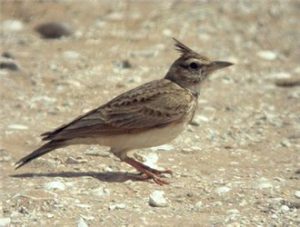
Lark (Bailing)
The lark (bai ling, family Alaudidae) is the signature bird of the grassland, a small songbird with a pretty crest and a conical bill, famous for singing while hovering high overhead. Note: in China the lark is listed as a Class II protected animal, so wild capture and keeping are restricted.

Anglo Mink
The Anglo Mink is the domesticated pet ferret (Anglo / Marshall lines) kept as a companion animal. Intelligent, gentle, and easy to litter-train, it is heat-sensitive and mischievous when unwatched, needs a large wire-free cage and 4+ hours out daily, and eats a meat-based diet (30–35% protein, 15–20% fat). Lifespan 8–12 years.
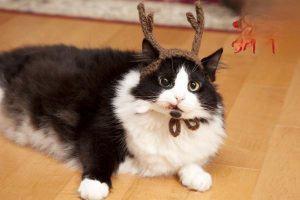
Tetanus in Dogs and Cats: Symptoms, Treatment, and Prevention
Tetanus is a specific infection caused by Clostridium tetani entering through skin or mucosal wounds, multiplying in low-oxygen conditions, and producing a toxin that causes muscle spasms. Because dogs and cats resist the toxin relatively well, localized tetanus is more common, showing rigidity and spasms in the limb near the wound.
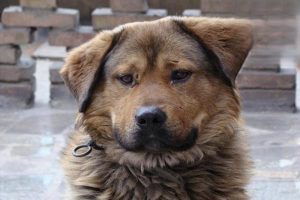
Why Do Some Dogs Have Floppy Ears?
Floppy versus upright ears come from climate, bloodline, crossbreeding, and sometimes low calcium. Cold regions favor dropped ears that hold heat, while hot areas favor upright ears that shed it.