Search Results
859 results for “W gene”
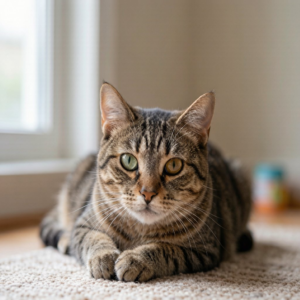
Is It Normal for Cats to Sleep With Their Eyes Open?
A cat sleeping with eyes open is usually normal and tied to its sleep style. In light sleep, cats stay alert with eyes partly open so they can react and escape danger fast; deep sleep closes the eyes. Some cats simply prefer partially open eyes. But eye disease can also cause it, so check for tears or redness.
CoQ10 for Cats: How to Choose and Use It
Cats enter old age after 7, when heart disease affects a large share of the population, and their own CoQ10 production falls below half of youth levels. For breeds prone to hypertrophic cardiomyopathy, veterinary-guided CoQ10 is common supportive care. This guide explains why cats need CoQ10, the market pitfalls to avoid—false potency, conceptual add-ons, and fake credentials—and the three basics of choosing a product, plus feeding rules and cautions. CoQ10 supports care but never replaces prescribed heart medication.
CoQ10 for Cats: What to Know Before You Buy
Cats get heart disease too—especially Ragdolls, Maine Coons, and British Shorthairs, where genetics raise the risk—and a vet may suggest CoQ10 as supportive care. Because quality varies, owners who judge only by label strength often see no benefit. This guide explains why cats may need CoQ10, what a good feline formula contains (verified content, yeast-fermented source, taurine, and sensible antioxidants), and how to read labels without falling for marketing. CoQ10 supports heart care; it never replaces prescribed medication.

Why Is Your Dog Coughing Without Producing Phlegm
A dry, hacking cough in dogs can stem from many sources, some harmless and some serious. Common causes include respiratory infections, bronchitis, tracheal collapse, kennel cough, parasite infection, and allergies. Some cases ease on their own, but a cough driven by illness needs prompt treatment to avoid worsening. Because the exact cause depends on the individual dog, observe the full picture and consult a veterinarian if you are unsure. Meanwhile, keep the living space clean and limit contact with other dogs to reduce spread and irritation.
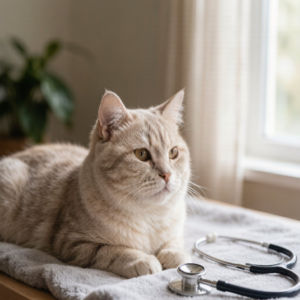
When Is the Best Time for a Cat to Develop Fuller Cheeks
Whether a cat develops those rounded, full cheeks (often called "face fluff") depends mostly on sex, genetics, and breed. Female cats rarely fill out this way; it is usually intact male cats that do. Breeds such as the British Shorthair, American Shorthair, Exotic Shorthair, Persian, Chinchilla, and orange tabby are naturally prone to it, while hairless cats, Devon Rex, Russian Blue, Siamese, Oriental, and calico domestic cats tend to stay slender-faced. Most male cats begin filling out between six and eight months of age, and a son of a full-cheeked father is more likely to follow suit. Good nutrition during this window makes the difference.

Do Dogs Get Menstrual Cramps?
A female dog in heat may show abdominal pain, but clinical tools cannot yet confirm whether the pain comes from the uterus, so true menstrual cramps like in people remain unclear. The discomfort is usually mild and varies by dog. During heat she may also be restless, less active, have red discharge, and lick the area often, so give warmth and cleaning care.
Which Cat Breeds Rarely Bite? (And Why Personality Still Wins)
If you worry about being bitten, choose a naturally gentle breed: Ragdoll, British Shorthair, Maine Coon, Birman, exotic shorthair (Exotic), Siamese, Sphynx, and orange tabbies are widely seen as low-aggression, friendly, and people-oriented, good for families with kids. Ragdolls go limp and forgiving, British Shorthairs warn with a soft paw, Maine Coons show feeling by walking away, and orange tabbies are affectionate but prone to weight gain. Yet every cat is an individual, and even these breeds can bite if pushed past their limits. Learn each cat's boundaries, respect its feelings, and avoid over-stimulating it.
How Long Do Rabbits Live?
A rabbit's lifespan depends on breed, genetics, diet, environment, daily care, and disease prevention. To extend it, give your rabbit a good home, proper diet and care, and timely health attention. With a clean environment, scientific feeding, and routine care plus prevention, you can greatly lengthen a rabbit's life and share more happy years together.
How to Choose a Safe Dewormer for Dogs
When picking a dog dewormer, safety beats brand fame, price, or reviews. Weak off-brand products vary in purity, absorption, and residues, and can cause vomiting, diarrhea, lethargy, or skin redness. Judge a product by three things: gentle, compliant, pet-specific ingredients with low toxicity; a precise spectrum covering fleas, lice, mites, roundworm, hookworm, and heartworm prevention; and broad adaptability with very low side effects, including for puppies, adults, and pregnant or lactating dogs. Common active types include imidacloprid-moxidectin spot-ons, fluralaner (an isoxazoline) for long-acting tick and flea control, selamectin for sensitive dogs, and oral fenbendazole-pyrantel-praziquantel for broad internal coverage. Avoid three mistakes: over-frequent or stacked dosing, treating only after you see parasites, and buying unlabeled “no-name” products.
How to Choose a CoQ10 Supplement for Pets
CoQ10 only helps the heart if it is taken correctly and in enough amount. Pets with heart disease show lower CoQ10 levels, and veterinarians commonly add it to prescribed medication as long-term support; seniors over about 7, obese animals, and high-risk breeds (Toy Poodles, Pomeranians, Maine Coons, Ragdolls) benefit most. Because the heart is the body’s highest-energy organ, a deficient dose is essentially wasted—especially since older pets absorb less. When choosing, look for a clearly labeled, well-absorbed dosage from a yeast-derived source, combined antioxidants (fucoxanthin, olive, astaxanthin, vitamins C and E), and a pet-specific form. Avoid three traps: substituting human CoQ10 (some contain pet-toxic xylitol), using it to replace prescription drugs, and inconsistent use.