Search Results
859 results for “W gene”
I just discovered my dog has a fever, and this is my first time. What should I do?
Don't jump to conclusions from a warm body—hand-feeling is unreliable. Use a thermometer under the armpit; 39.2°C or above means fever. A canine fever-reducing medication treats it, or a vet can give a fever shot after diagnosis.
What medicine brings a dog’s fever down quickly?
Never give a dog human fever medicine—different ingredients can worsen the illness or trigger other problems. A canine fever-reducing medication is the usual choice, or take the dog to a clinic for a confirmed diagnosis and a fever-reducing injection.
What are the signs of fever in a dog, and how can I tell if my dog actually has a fever?
The clearest sign is a rising body temperature—measure it with a thermometer placed under the dog's armpit for a few minutes. A reading above 39.2°C confirms fever, after which the dog may refuse food, drink more, or seek cool spots. A canine fever-reducing medication or a vet visit can follow.
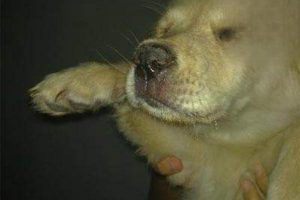
How Long Can a Dog Survive Canine Distemper?
A dog's odds with distemper depend on treatment. Caught and treated early, most survive; left until severe, many die within a month. The disease itself is rarely the direct killer — complications are — so dedicated care through the roughly month-long course matters most.
My cat suddenly has a runny nose with yellow discharge. Is this a cold, and should I give it medicine?
Cats do not normally have nasal discharge; when they do, illness is usually the cause. Yellow discharge often points to a cold, typically alongside sneezing, coughing, and fever. A cat-specific cold medicine is the usual treatment once a cold is confirmed.
My Golden Retriever has had a cold for over a day—runny nose yesterday, now also sneezing. What cold medicine is safe and suitable for a Golden Retriever?
Runny nose and sneezing are common cold symptoms in dogs, often joined by coughing, fever, rapid breathing, poor appetite, and lethargy. A vet-approved canine cold medicine can help; seasonal changes or chills are the usual triggers, so treat promptly to avoid complications.
My dog has been sneezing repeatedly all day and its nose is dry — could it have a cold?
Repeated sneezing with a dry nose in a dog is usually an early sign of a cold; a runny nose, fever and cough follow as it worsens. A canine cold medicine helps, but a vet visit is the safe call if symptoms persist.
My dog has been sneezing frequently today and its nose is dry — is this a cold?
Frequent sneezing with a dry nose in a dog usually signals a cold: the discharge dries the nose out and the dog licks it constantly. A canine cold medicine can help, but a vet visit is the safe call if symptoms are severe.
My 2-year-old Bichon Frise has been coughing all day with mucus on its nose but no sneezing — could this be a cold, and how should I treat it?
A Bichon Frise coughing with nasal discharge but no sneezing could signal either canine distemper or an early cold. For a simple cold, keep the dog warm and use a vet-approved canine cold remedy; if signs persist, get a veterinary check to exclude distemper.
- « Previous
- 1
- …
- 84
- 85
- 86