Search Results
859 results for “W gene”
Cat Ringworm and Stubborn Skin Issues: How to Choose Treatment
Ringworm (dermatophytosis, often Microsporum canis) is famously stubborn and recurrence-prone, and the usual reason is that a surface-only spray never reaches the fungi hiding in the dermis—so it looks better for a day or two, then flares again. Human products can also irritate cat skin. The practical rule is to match the treatment to severity: a broad-spectrum antiseptic spray for early mild spots, a terbinafine spray for a confirmed simple fungal infection, and a ketoconazole-plus-metronidazole ointment when the lesion is ulcerated, smelly, and mixed with bacteria. This article explains why ringworm recurs, how to pick by stage, and the cautions (licensed products, environmental cleaning) that actually stop it coming back.

Which Dog Breeds Tolerate Cold Best?
Breeds with strong cold tolerance include Labrador Retriever, Tibetan Mastiff, Alaskan Malamute, Samoyed, and Husky. Their dense coats and thick fat layer shield them from cold and keep them comfortable in winter, but they are prone to heat and need cooling in summer. Owners should not overestimate this trait, since a cold-tolerant dog raised in warm regions may lose some of its resistance.

What Colors Can Dog Eyes Be?
Dog eye colors vary widely: brown, black, and blue are most common, while green and gold are rarer, and some dogs show heterochromia, or two different-colored eyes. Color is genetic, but age, health, and environment can change it over time. Puppies are born with light eyes that darken with age. Whatever the shade, each pair is unique, so watch and care for your dog's eyes, cleaning them regularly and seeing a vet at the first sign of trouble.
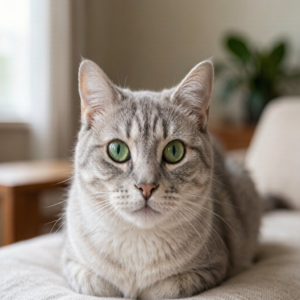
What Colors Can Cat Eyes Be?
Cat eyes come in yellow, orange, green, gold, gray, and amber, with blue as a rarer shade. Color is set by genes through iris pigmentation and light refraction. The iris has two pigmented layers, the stroma and the epithelium, and the number of melanocytes decides the hue while their activity sets the depth; without melanocytes the eye looks blue. Green and gold are most common, blue is uncommon and often seen as elegant, and a kitten's eyes start blue before settling into their true color. Illness or injury can dull the shine later in life.

Causes and Treatment of Eyelid Entropion in Dogs
Eyelid entropion is a common eye problem in dogs, often caused by genetics and eye disease. The right treatment depends on how severe it is, and with proper care it can be controlled and managed. Mild cases are usually treated with medication, while severe entropion needs timely surgery. Keeping the eyes clean helps reduce the chance of entropion developing.
Choosing a CoQ10 Supplement for Your Pet’s Heart
Pets past about seven years old decline fast, and heart disease is among the highest-risk threats: mitral valve disease and dilated cardiomyopathy in dogs, hypertrophic cardiomyopathy in cats. Early signs—night coughing, panting, purple tongue, exercise intolerance—often mean Stage B2 or C, so the B1–B2 window is the time to act. Alongside prescribed medication, many veterinarians suggest a pet CoQ10 supplement for energy and antioxidant protection. But with crowded shelves, how do you choose? This guide explains what a quality formula should deliver: transparent, well-absorbed dosage; a heart–lung–vessel support blend (rhodiola, krill, astaxanthin, taurine, vitamins, grape powder, folate); palatability and safety for long-term use; and which pets benefit most.
Does Bathing a Cat Replace Deworming?
A clean cat is not a parasite-free cat. Bathing only rinses away a few adult fleas or lice—their claws grip the hair root, so most adults stay put, and eggs and larvae are far too small to wash out. Ticks are worse: their mouthparts bury deep in the skin and need a tool to remove, not a rinse. Mites living under the skin or in the ear canal also survive a bath. And internal parasites—roundworm, hookworm, tapeworm, heartworm—live in the gut, blood, and heart, unrelated to how the coat looks. On top of that, cats should not be bathed often; frequent washing disrupts skin oils, dries the coat, and invites bacterial or fungal infection if not dried. This article explains why deworming is still essential, even for indoor cats, and a sensible schedule.

Why Does Your Cat Head-Butt You?
A cat head-butting you carries several meanings and is a way to express love and needs through body language. Cats head-butt each other to show friendliness, and with people they do the same to build a closer bond and display affection. A cat usually head-butts only those it likes, so respond with more attention and warmth to deepen your trust and closeness.
Can a Cat’s Personality Change?
A cat's personality can shift under certain conditions, influenced by negative experiences, health, age, and genetics. For example, a once sunny cat may become timid or depressed after abuse or the loss of a companion. To keep a cat's character stable and healthy, provide a steady environment, proper socialization, and plenty of affection.
The Effects of Hamster Inbreeding
Inbreeding hamsters is risky: it raises the chance of inherited disease and genetic defects, lowers genetic diversity so offspring get sick more often, and tends to produce weaker, less intelligent pups with higher death rates and reduced fertility. The main reason breeders do it is to lock in a pure bloodline, but the uncertainty is high. For home keepers, the safe choice is to avoid inbreeding entirely, separate males and females into different cages, and if you do plan a litter, pick two healthy, unrelated hamsters and breed them between 5 and 10 months of age.