Search Results
736 results for “Trust”
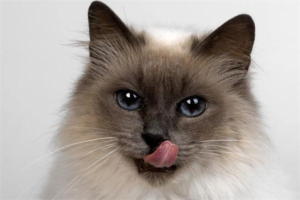
How to Stop a Cat From Scratching and Biting
Cats scratch and bite for many reasons: seeking attention, defending resources, fear or pain, new environments, or overstimulated play. Fix it with patience, not punishment. Build trust with affection and treats, reward calm behavior, avoid scaring the cat, and give it a safe play space with enough toys. If aggression persists from fear or stress, seek help from a veterinarian or a professional trainer.

What Kinds of Cats Are the Most Affectionate
Cats have a reputation for being aloof, so when one chooses to cuddle and beg for attention it feels like a real win. Affection shows up as following you room to room, jumping on your laptop, sleeping in your bed, sitting on your lap, meowing or pawing for notice, and rubbing its face on you. Male cats tend to be cuddlier than females because they act on instinct and, after neutering, pour that need for contact onto their owner. Breeds like American Shorthair, Ragdoll, Maine Coon, and Siamese lean affectionate. Build trust by meeting the cat's needs and respecting its space, but beware over-dependence: too much clinginess can become separation anxiety, a real stress disorder worth managing.

What Your Cat Is Feeling When It Acts Cute
A cat's affectionate, adorable moments are not random - each has a meaning. When a cat rolls at your feet, belly up, twisting side to side, it is often marking a warm, safe spot or scratching an itchy back (check for fleas if the itching persists). A cat's nose, with a sense of smell six to seven times keener than ours, gathers information by sniffing - at a new place, a stranger, or even your finger. A tail-up, wiggling rear before a pounce is the awake hunting instinct at play. And when a cat stares at "nothing," it is usually listening to high-pitched sounds we cannot hear; a cat that meets your gaze trusts you and may be asking for attention.
Pet CoQ10 Supplements Reviewed: Picking One That Genuinely Supports Heart Health
CoQ10 is a popular supplement for pets with heart conditions, but it supports heart function rather than curing disease. It helps the heart muscle generate energy, mildly slows heart failure, and supports immunity and vitality. Yet the market is full of weak or mislabeled products—industry figures suggest most pet CoQ10 labels either understate or omit the actual content, and some use industrial-grade raw materials. When choosing a supplement, look for verified CoQ10 content (ideally backed by independent testing), natural fermentation sources, and a clean antioxidant formula, matched to your pet's age, breed risk, and symptoms. Used alongside veterinary treatment, a quality CoQ10 can be a valuable part of heart care.
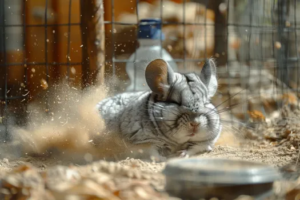
What to Do When a Hamster Is Restless and Wants Out
Hamsters are active, curious animals that like to explore, so constant restlessness often means their environment is not stimulating enough. Give the hamster plenty of space with obstacles, ladders, and toys to climb and play, ensure steady food and water so it is never hungry or thirsty, and keep a quiet, cozy sleeping area for daytime rest. Regular gentle interaction builds trust and helps the animal feel safe.
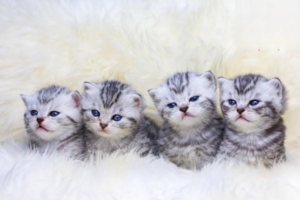
Reading Your Cat’s Mood Through Its Tail
Cats have far fewer facial muscles than dogs or people, so they look 'poker-faced' - attacks or escapes can seem to come from nowhere. But the tail is the open window to mood. A puffed, bristling tail means fear or threat; a tail tucked between the legs signals extreme fright and insecurity; a vertical tail with a hooked tip is a happy greeting; a high straight tail showing the rear is confident love; a gently swaying tail means 'I hear you'; and a tail lashing side to side is irritation, not joy like a dog's wag. Read the tail and you will understand the cat.

How to Tell Your Dog Has Bonded With You
Wondering if your dog truly sees you as its person? Six clear signs say yes: it runs to you by name without fear, greets you at the door by rubbing your legs and leaning on you, follows you everywhere, protects you when there is danger or a quarrel, runs to you when frightened, and quietly watches your every move even from afar. (Though if it is a Husky, maybe do not count on the guarding part.) Bonding is built through daily trust and attention.

Why Does Your Dog Love Hiding Under the Bed?
Many dogs ignore their own bed or crate and slip under the bed instead. This is usually normal behavior rooted in instinct, but sometimes it signals fear or illness. Dogs naturally like narrow, dark spaces, and the bed fits that preference. They may also use the gap as a 'secret base' to stash toys and treats. Loud noises like thunder or fireworks send them hiding, and a new dog lacking security will retreat there too. Most importantly, a suddenly hiding dog may be sick or in pain and trying to be alone - watch for that.

Emergency Steps When a Pet Eats Something Harmful
Curious pets swallow the strangest things, from needles and socks to toxic plants and people food, and quick action saves lives. For cats, guard thread, needles, and poisonous plants; for dogs, secure small objects and leash up on walks. This guide covers what was eaten and the right first move before rushing to the clinic.

How Cats Show Stress and Why It Matters
A trigger can be noise, a stranger, travel, or a move, and each cat reacts differently. Hiding, hissing, even sudden aggression are normal first responses, while deeper stress brings appetite changes, soft stools, or vomiting. Beyond discomfort, strong stress lowers immunity and can unmask hidden disease, so calm, patient handling matters most.