Search Results
736 results for “Trust”

When Do Cats Knead (and What Does It Mean)?
Cats usually knead in a few clear situations: when hungry, when happy and relaxed, during heat, or when missing their mother. The behavior starts in kittenhood—pawing the mother's belly to stimulate milk—so a hungry cat may knead to ask for food, while a content cat kneads to show trust. During heat, kneading is self-soothing and shouldn't be interrupted. When your cat kneads you, it feels safe and fond of you, so don't push it away. This article explains the triggers and how to respond.

Should You Hit a Dog That Won’t Listen?
Every dog owner eventually faces a stubborn pup that does the opposite of what it is told. The instinct to hit can be tempting, but physical punishment rarely teaches good behavior and often backfires. Hitting makes a dog timid, fearful of its owner, or even resentful, leading it to hide, refuse to come home, or act out with revenge behaviors like soiling the house. Instead of raising a hand, build trust by feeding the dog yourself, training patiently from puppyhood with rewards, and bonding through regular companionship and gentle petting. A dog that feels safe and trusted is far more willing to listen.

Reading Your Dog’s Personality From Its Sleep Pose
Sleep poses hint at mood. Belly-up is rare—dogs are guarded and the belly is vulnerable—so a dog that sleeps on its back by you feels safe and loved, and tends to be upbeat (it's also comfy). Flat-out (legs folded) is the common self-protective pose for quick reaction, often signaling low security—these dogs may sleep under beds or tables. Side-lying is relaxed yet still ready to react; smart dogs sleep lightly to stay safe. Curled-up dogs lack security too but are usually gentle and obedient—though a curled pose can also mean the dog feels unwell, so watch closely.

What to Know Before Cat Spay/Neuter Surgery
Neutering cuts disease risk (tumors, ovarian cysts), stops heat stress and roaming, and curbs spraying. In China, do it after sexual maturity—about 6 months and 6 lb. Before surgery: a full pre-anesthetic exam (health, anesthesia allergy) at a reputable clinic; complete vaccines so antibodies protect the healing wound; fast 8 hours and withhold water 4 hours (aspiration causes fatal pneumonia); pack a sturdy large cat carrier, pee pads, eye lube, and an E-collar. Females take ~40 min, males ~10–20; go home after recovery. After: keep clean, feed soft nutritious food, control portions (weight gain is common), and E-collar 7–10 days. Cost is usually under 1,000 yuan—watch for overcharging.

Common Everyday Cat Illnesses (Part 2)
Five more common cat conditions: (1) Panleukopenia (feline distemper) — a fierce, contagious viral disease hitting gut and airways; fever, bloody diarrhea, lethargy, dehydration; high death rate in under-8-week kittens, so vaccinate and rush to a vet at the first sign (lice, mites, fleas can spread it). (2) Cancer — rarer than in dogs but cats hide pain; watch for lumps, non-healing skin infections, weight loss, vomiting, odd urination. (3) Kidney disease — common in seniors; low appetite, weight drop, vomiting, lethargy; needs dialysis or transplant when severe. (4) Fractures — from falls; sudden limping or hiding. (5) Poisoning — from human food or toxic plants; repeated vomiting/diarrhea, blood in stool/urine; vets give fluids and anti-emetics. Don't rely on self-healing—use a trusted clinic.

Should a College Student Get a Cat?
Loving animals is wonderful, but getting a cat is a lifetime promise, not a passing impulse. Before a student adopts, four questions matter: does the dorm even allow it, and will roommates and anyone with cat allergies cope? Do you truly love the whole cat — mess, illness, and all — not just the cute photos? Can you give real time and steady money for food, litter, deworming, vaccines, neutering, and vet bills? And who will care for the cat over holidays and after graduation, when a wave of abandonments happens every year? Think it through first.

Why Do Cats Knead?
Cat kneading—pushing the front paws rhythmically against a soft surface—starts in kittenhood, when kittens press the mother's belly to stimulate milk flow. Many adult cats keep the habit and knead when relaxed, happy, or seeking comfort. It can also mark territory (scent glands in the paws) or, in intact cats, signal heat. When your cat kneads you, it usually means trust and affection—so don't push it away. This article explains the meanings and how to respond.

Why Cats Love Running Water
A cat's fascination with running water is instinct, not mischief. In the wild, cats drink moving water because still water breeds unseen bacteria, and a dripping tap also triggers curiosity and a sense of hunting for sources. Cats also smell roughly 200,000 times better than we do, so they dislike the chlorine and stale scent of water left standing in a bowl. The fix is simple: a circulating fountain, water placed away from food, and a refresh two or three times a day. Good intake matters — low water leads to urinary stones and kidney disease.

What to Prepare Before Bringing a Cat Home
Before you take a kitten home, be ready to care for it for life — an abandoned cat can be deeply distressed and may not survive. Choose a cat over two months old that already eats and uses the litter box on its own, get a basic vet check first, and carry it home in a covered carrier. Set up a quiet room, lock away toxins and secure the windows, hold off on baths for young kittens, follow a deworming schedule, and plan to spay or neuter. A little preparation prevents most beginner mistakes.
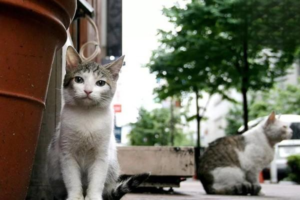
Helping a Cat That Is Afraid of People
A cat calm with family but scared of guests usually missed early socializing. For kittens, expose them to all kinds of people—men, women, children—and reward the meeting so they learn humans are safe. For adult cats, change the people, not the cat: brief visitors ahead of time never to chase or grab, to move naturally and wait for the cat to approach, using a favorite treat to win trust. When the cat does come out, sit or crouch to its level and be patient.