Search Results
736 results for “Trust”

How Do Dogs Learn to Recognize Their Owner?
How fast a dog bonds with its owner varies with age, personality, and how it is raised. To speed things up, give plenty of loving care so the dog trusts and depends on you. A new dog is often wary, so let it first get used to you and its surroundings, then feed it yourself, spend time with it, and play often so it feels loved. Regular routines, gentle patience, small rewards, and daily interaction all help a dog recognize you as its person.

Do Dogs Actually Hate Their Owners?
Dogs rarely truly hate their owners; what looks like dislike is usually a response to neglect, coldness, or harsh scolding. A dog that is ignored, criticized, or treated roughly may act aloof, have accidents in the house, or even growl. Often it is simply expressing unmet emotional needs. Pay attention to your dog's feelings, build regular positive interaction, and remember that sudden unfriendliness can also signal pain or illness that warrants a veterinary check.

Why Does My Cat Gently Bite Me?
A cat's gentle bite is rarely aggression—it is usually communication. It may be an invitation to play, since cats explore with mouth and paws; a sign of affection, as light bites are how cats bond with each other; a way to express unease or a need when anxious; or a warning to stop what you are doing. Read the situation and respond calmly. Beyond decoding the bite, give your cat enough exercise and interaction, offer cat-safe toys and treats (never human snacks), and learn its body language to build a closer, trusting relationship.

Why Does Your Dog Bite Your Pant Legs? (And What It Means)
When a dog grabs and tugs at your pant leg, it is rarely out of spite. Most often the dog is trying to get your attention, invite you to play, or signal a need such as an empty food bowl. The swaying fabric can also trigger an inherited prey drive, since a moving pant leg looks like something to chase. In some cases—especially when you pick up keys or put on shoes—it signals separation anxiety: studies show a large share of dogs chew scent-bearing items to soothe themselves when they sense you are leaving. The fix is consistency: ignore the behavior, reward calm following, offer chew toys, and meet the dog's exercise needs. Understanding the motive behind the bite is the first step to changing it, and learning your dog's other body-language cues helps you bond.

Why Your Dog Won’t Come Home (and How to Prevent It)
Dogs that roam for days before returning—especially free-roaming ones—worry any owner. The reasons are varied: a curious explorer chasing new scents, a dog in heat seeking a mate or friends, an anxious pet fleeing noise like fireworks or thunder, a dog that has lost its way in unfamiliar territory, unmet basic needs for food or comfort, or illness and injury prompting it to hide. Because dogs are social, regular outings and play lower the urge to wander. Meeting their needs, giving affection, and keeping them safe all increase the odds they come home.
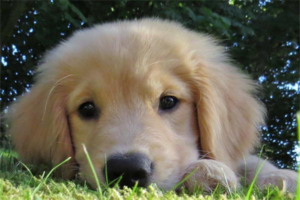
How to Train a Golden Retriever to Retrieve?
Golden Retrievers are smart and eager to please, which makes them relatively easy to train. Teaching your dog to fetch and carry objects starts with building trust, choosing safe toys, and picking one clear verbal cue like "fetch." Use positive reinforcement—praise or a small treat—when your dog responds correctly, and gradually increase the distance and difficulty. Keep sessions short, fun, and patient, then reinforce the skill in daily life through games and light carrying tasks. Consistent, reward-based training helps your Golden master retrieving faster.

What to Do If Your Cat Is Extremely Shy or Fearful of People?
A shy or 'socially fearful' cat isn't being difficult—it is usually reacting to past trauma, early separation from its mother, or prior abuse, though some cats are simply born timid. These cats avoid all social contact, hide or flee when approached, and in severe cases may even stop eating or drinking. The fix is patience, never force. Earn back trust with calm, gentle handling and a quiet environment, gradually increasing gentle exposure to people and other cats. If the fear stems from abuse or genetics, lean on a professional trainer to build a safe space and use positive reinforcement. With time and understanding, most fearful cats can learn to relax and enjoy company.

Why Does My Cat Keep Pawing at the Water Bowl?
Cats are intelligent, clean-loving animals, and pawing at the water bowl usually signals something specific rather than random mischief. The behavior may mean your cat finds the water unclean, simply enjoys playing with water, feels bored or unhappy, or is trying to get your attention. Because drinking enough water is vital to feline urinary health, it is worth addressing. Keep the bowl clean and fresh, consider a circulating fountain to encourage drinking and curb the pawing, and provide engaging toys to burn off excess energy. Paying attention to your cat's mood and offering companionship also reduces attention-seeking behavior. Understanding the cause is the first step, so you can respond with the right fix instead of scolding.

How to Tell If Your Cat Is Full?
Many cat owners worry their pet is still hungry and keep topping up the bowl, but overfeeding causes indigestion and obesity. To judge whether a cat has eaten enough, watch its post-meal behavior: full cats groom themselves, leave the feeding area, and settle in a sunny, comfortable spot to rest, while hungry cats linger near the food. In multi-cat homes, satisfied cats may even groom each other. Free-fed cats show weaker cues because constant access lowers food excitement. Note that two behaviors are NOT signs of hunger: guarding the food storage (common in newly arrived, unsettled cats) and showing interest in your own meal (an opportunistic scavenging instinct). Control daily portions by age, health, and appetite to keep your cat at a healthy weight.
Cat Food Ingredients to Avoid, No Matter How Cheap
Not all cat food is created equal, and the ingredient list is the single most reliable way to judge quality. Some products hide preservatives, flavor enhancers, and fillers that can harm your cat over time — from potential carcinogens like BHA, BHT, ethoxyquin, and TBHQ to appetite stimulants such as MSG and pyrophosphate. Other risky additives include propylene glycol, nitrites, synthetic vitamin K3, and thickening gums, while artificial colors and sweeteners add sugar and nothing of value. Because cats are obligate carnivores, diets overloaded with corn, wheat, or soy not only lack nutrition but may trigger allergies and even aflatoxin exposure. Learning to read the label helps you protect your cat from low-grade food, no matter how attractive the price.