Search Results
736 results for “Trust”
100 Essential Tips Every New Cat Owner Should Know
Bringing home a first kitten is exciting but daunting, and poor care can hurt both of you. These 100 essentials cover diet (life-stage food, toxic grapes/chocolate/onion/garlic, no bones or raw meat, fresh water), daily care (brushing, nail and ear cleaning, litter hygiene, n+1 boxes), health (vaccines at 8–12 weeks, deworming, normal temperature 38–39.2°C, spay/neuter, no human meds), behavior (slow blinks, tail talk, no punishment), and home safety (screens, hiding wires, toxic plants, no smoke). Read them once and you'll share a calmer, healthier life with your cat.

Signs a Guinea Pig Dislikes Its Owner
Guinea pigs are popular small pets, but they do not always adore their owners, and sometimes they show clear dislike that leaves owners puzzled. Common signs include sharp squeals aimed at you when unhappy, and biting when they feel threatened, such as after a sudden grab or pet. A guinea pig that dislikes you will avoid coming near, refusing your food or touch, and may flee to a corner, under furniture, or scramble inside the cage when you reach for it. The causes are usually practical: an uncomfortable environment with cold or swinging temperatures, poor or unsuitable food, too little companionship for this social animal, or illness that makes it fretful. To rebuild trust, meet its basics with a cozy home, fresh food and water, and clean housing; spend more calm time together through gentle handling and feeding; learn its nocturnal habits and interact in the evening; and stay consistent and patient so it slowly learns to trust you.

How to Stop a Cat From Scratching You
A cat that scratches its owner is a common headache, and the behavior is usually fixable once you understand why it happens. Scratching can stem from misunderstanding, anxiety, fear, or over-excitement, and often a cat is only trying to interact or ask for attention without meaning harm. Teach it that scratching makes you unhappy and can bring a consequence, and over time it learns to stop; for truly aggressive scratching, a firm loud noise startles without hurting, paired with calm positive reinforcement. Meet the underlying need by giving a proper scratching post or area, rewarding correct scratching, and offering varied toys and play to burn energy so it does not take it out on your hands. Learn the body language: a swishing tail, flattened ears, or a partly open mouth mean back off. Patience, trust, and the right outlet turn scratching into healthy habits.

Common Mistakes in Dog Training
Raising an obedient dog depends on steady training, but many owners fall into habits that actually slow progress. A common mistake is waiting until a puppy is older, yet dogs mature fast and the window around three months, when they absorb and mimic readily, is prime learning time. Hitting or scolding is another trap: it breeds fear and resistance and can even trigger aggression, whereas rewards and praise build trust. Changing commands and hand signals mid-training only confuses the dog, so keep each cue consistent. Long, exhausting sessions backfire too, so keep training to 15 to 20 minute blocks in a relaxed mood. Finally, skipping socialization, the practice of meeting people, places, and other animals, leaves dogs timid or reactive. Patient, consistent, positive training paired with good nutrition is what truly shapes a well-behaved companion.

How to Choose a Combined Parasite Treatment for Your Cat
Even indoor cats catch parasites—fleas, ear mites, roundworms, and mosquito-borne heartworm all reach them. Combined spot-ons treat inside and out in one dose without pills, which is why they are the top choice for house cats. The real question isn't 'which brand' but 'which active ingredients fit your cat's risks.' Here is the science, minus the marketing.

Does Your Cat Know You’re the One Caring for It?
Cats definitely know who feeds and cares for them. Through consistent feeding, grooming, and play, they link your face, voice, and scent to survival needs like warmth and safety. A 2019 University of Tokyo study found cats turn their ears and dilate pupils faster for their owner's voice than a stranger's—proof the brain flags you as important. Cats show recognition subtly: cheek-rubbing, belly displays, midnight purring, and tracking your location. To strengthen the bond, build a feeding ritual, respond to their overtures, and avoid 'emotional neglect'—cats cared for by rotating family members grow less attached. A stable caregiver builds the security they need.
Is Your Cat Hard to Bond With? (Signs and What to Do)
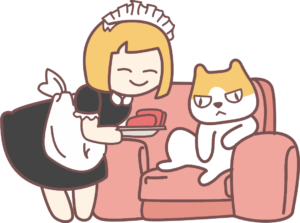
A cat that seems impossible to bond with is rarely born defiant—it usually shows clear behavioral clues and a hidden reason behind them. Such a cat refuses close contact, pretends not to hear its name, guards its food, claims a corner as territory, hides constantly, or even tries to escape. The causes range from a strong independent nature and sex differences to a stray past marked by abuse or the mood swings of an unspayed cat. The fix is patience: give the cat space, build trust through food on a fixed schedule, avoid sudden stimuli, and consider pheromone sprays. Most 'untamable' cats will gradually accept you when treated with respect.
How to Raise a Social, Confident Kitten
A confidently social cat is not born that way—it is shaped during the socialization window of 2–7 weeks after birth, when a kitten's brain is most open to new people and experiences. During this period, gradually acclimate the kitten to its home, then to the outside world and strangers; get it used to being touched on paws, mouth, and ears so future grooming is easy; and invite gentle friends to interact on the cat's terms. If you missed the window, an adult cat can still learn with extra patience, treat-based trust, calming tools, and perhaps a calm 'social mentor' companion. Always respect the cat's individual personality.

Do Dogs Get Sad When Abandoned by Their Owner?
Dogs do get hurt when abandoned. They are gentle, sensitive animals that care deeply about their owner, and being left can bring intense loss and loneliness—some even refuse food or sink into depression. The emotional wound runs deep and long. Beyond the heartbreak, a dumped dog may face hunger, abuse, and the hard task of trusting strangers again. Owners should take responsibility for a dog's whole life and never give one up lightly.

What to Do When Your Hamster Is Stressed
Stress harms a hamster's well-being. A frightened hamster may freeze, refuse food and water, and gnaw the cage bars. Acting quickly to calm it protects its health. First give it a safe, quiet, comfortable space and avoid more scares; offer fresh water and favorite foods to distract it, and add safe items to burn off energy. Because hamsters are nocturnal and easily startled, a calm, warm home and gentle daily interaction—or a companion—help prevent stress in the first place.