Search Results
3206 results for “Temperature”
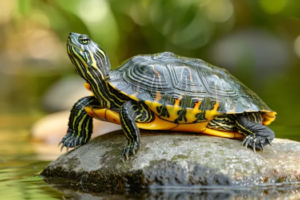
Which Deep-Water Turtles Are Budget-Friendly?
The musk turtle is the most affordable deep-water species because it breeds readily and is widely available, and it is also easy to keep, adaptable, and tolerant of average water quality. Even though it lives in deep water, it still needs a basking spot, so add a platform and let it sun for about two to three hours a day to aid digestion and calcium absorption. With stable warm water, clean conditions, and proper food, a musk turtle is an excellent low-cost choice for new keepers.

Symptoms of Canine Leptospirosis
Leptospirosis is a serious dog disease caused by Leptospira bacteria - also called infectious jaundice or hemorrhagic jaundice - that spreads through skin, mucus membranes, and contaminated food or water, often peaking in summer and early autumn. Two forms stand out: one brings sudden fever, vomiting, dark bile-colored urine, yellow gums, and bleeding, while the other causes vomiting and bloody diarrhea with mouth ulcers and a death rate of 60-80 percent in acute cases. Diagnosis uses microscopy, culture, and blood tests, and treatment pairs antibiotics with liver and fluid support. Clean housing, rodent control, quarantine, and the two-type vaccine are the key preventives.

What Is Canine Botulism
Canine botulism is an acute, often fatal poisoning that occurs when a dog eats the toxin produced by Clostridium botulinum - usually in rotting carcasses or contaminated food and water. It mostly strikes in summer, with signs appearing just hours later. The classic picture is a progressive, symmetrical paralysis that creeps from the hind legs forward while the dog stays alert with a normal temperature; severe cases end in breathing failure. Diagnosis depends on finding the toxin in food, tissue, or blood, and treatment combines antitoxin with washing out the gut. The simplest defense is never feeding spoiled meat and boiling feed before use.

What Is Canine Salmonellosis
Canine salmonellosis is a group of infections caused by bacteria of the Salmonella genus, which can affect both dogs and people. Dogs pick it up from sick animals, contaminated food and water, or even healthy-looking carrier dogs, and the illness ranges from silent carriage to severe, life-threatening septicemia in young puppies. Signs include fever, vomiting, watery or bloody diarrhea, and rapid dehydration. Diagnosis relies on culture and identification of the bacteria from stool or organs, and treatment pairs antibacterial drugs with fluid and symptom support. Careful food handling and a clean environment are the cornerstones of prevention.

Canine Infectious Hepatitis: Can It Be Treated
Canine infectious hepatitis is an acute, often severe viral disease of dogs caused by canine adenovirus type 1 (CAV-1). It spreads through urine, saliva, and nasal discharge and hits weaned puppies hardest, sometimes with no warning signs. Typical signs include a fever that rises then falls, lethargy, vomiting, diarrhea, and a characteristic cloudy "blue eye" in about a quarter of recovering dogs. While there is no direct cure that eliminates the virus, most dogs recover with prompt supportive care such as fluids, liver protection, and antibiotics to control secondary infection. The good news is that the disease is highly preventable through routine vaccination, with puppy shots given at 8-9 and 10-12 weeks and annual boosters for adults.
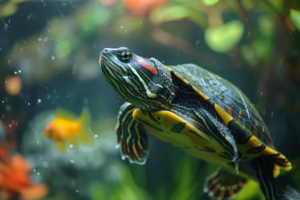
Which Turtles Are Best for Beginners?
Good starter turtles include the Chinese pond turtle, red-eared slider, musk mud turtle, hybrid flower-pond turtle, and common snapping turtle. These species are inexpensive, adaptable, and resilient, so beginners can practice with them. Many new keepers start with the Chinese pond turtle or red-eared slider. As long as basic mistakes are avoided and the turtles are cared for attentively, they can thrive. The most important management tasks are clean water, stable warm temperatures, and a proper basking area to reduce illness.

What Is Kennel Cough in Dogs
Kennel cough, or infectious tracheobronchitis, is a highly contagious respiratory infection spread by many pathogens at once. It hits dogs of any age but is hardest on puppies, and it flares in cold, crowded, damp conditions. The classic sign is a harsh, dry, honking cough, and while most cases clear on their own, knowing when to treat matters.

Key Points for Caring for a Cat in Summer
Summer heat raises the risk of parasites and heatstroke, so cat care in the warm months means three jobs: cleanliness, cooling, and diet. Run the AC without sharp temperature swings and don't shave the coat—thin it slightly instead, since bare skin burns and the cat sheds heat through paw pads. Feed little and often with light food, refresh water and food frequently so nothing spoils, and never offer cold food that upsets the stomach. Clean the nest, litter box, and belongings regularly and keep up flea, tick, and worm control. These habits keep a cat healthy through summer.
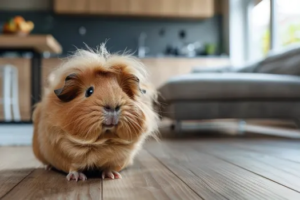
Why Does Your Hamster Have Soft Stools?
Hamster soft stools can stem from diet, infection, water, or stress. A fragile digestive system reacts badly to too much fruit or vegetable, moldy food, or unbalanced feed; bacteria or viruses can inflame the gut; poor or scarce water upsets it; and heat, environmental change, or fright lowers immunity. If you see soft stools, cut back on produce, check the water source, switch to a balanced diet with more protein and fat, keep the cage clean, and consider probiotics or medication for serious cases. If stools come with poor appetite or low energy, see a veterinarian promptly.

Can You Use Mosquito Coils Around Cats?
No—households with cats should not burn mosquito coils. The pyrethroid additives in coils are toxic to cats, which cannot metabolize them; too much exposure causes poisoning with tremors, vomiting, drooling, and unsteady walking, and in severe cases can be fatal. To protect your cat, avoid coils entirely and keep the air cat-free of the scent. Instead, fit window screens and nets, grow cat-safe plants like lemongrass or mint, and use a mosquito trap lamp or electric swatter—physical, odorless methods that don't endanger your pet. Choose the approach that fits your home, and keep a playful cat away from any device.