Search Results
3206 results for “Temperature”

Common Dog Diseases and Their Symptoms
A sick dog shows changes in behavior and body that veterinarians call symptoms. Owners who notice these early can get the right help faster. Fever is one of the clearest signals: a dog's normal temperature is 38.3-39C, and anything above 39C means the dog is running a temperature. Here are the common causes behind sudden high fever and lingering low fever.

How to Care for Your Dog in Autumn
Autumn's cool, dry, changeable weather feels great to us but asks for a few adjustments in dog care. Fatigue from summer, dropping temperatures, and dry air all affect a dog's body, coat, and digestion. A few simple habits around food, grooming, exercise, and disease prevention keep your dog comfortable through the season.
How to Care for Your Cat in Summer
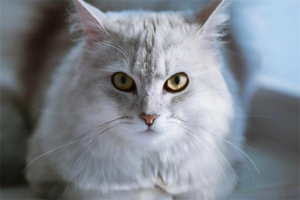
Cats have thick coats and dislike heat, so summer care centers on safe cooling to prevent heatstroke. Move the bed to a cool indoor spot, offer a cooling mat, trim only the paw fur (never shave—UV then damages skin), and keep air flowing with a fan or AC set no lower than comfortable, avoiding big temperature swings. Cats shed heat through their paw pads, so shorter paw hair helps. Hydration matters because fast summer metabolism raises dehydration risk—encourage drinking. Feed fresh food in small portions and clear leftovers fast, since wet food spoils quickly in the heat. These steps keep a cat comfortable through summer.

What Is Canine Methemoglobinemia
Familial methemoglobinemia is an inherited defect in the enzyme that converts methemoglobin back to normal hemoglobin, so a dog's blood carries less oxygen. The hallmark is a persistent bluish discoloration of the gums and chocolate-brown blood. Most affected dogs live for years with few signs, but oxidant exposure can turn it dangerous.

How to Care for Your Dog in Summer
Summer heat means preventing heatstroke, but some popular 'cooling' tricks backfire. Shaving a dog's coat or bathing it too often raises the risk of skin disease—the coat actually shields skin from sun and bites. Instead, cool the indoor space, use a cooling mat, trim only the paw fur to aid heat loss, walk at dawn or dusk with water on hand, and shift to lighter meals in small portions. Keep the air flowing, set the AC no lower than 26°C, and clear leftovers before they spoil. Smart, gentle cooling helps your dog sail through the hottest months.

What Are the Signs a Guinea Pig Is Unhappy?
Guinea pigs are sensitive little animals, and unhappiness shows up as reduced appetite, low activity, unusual silence, refusing contact, and frequent teeth grinding or cage chewing. Common causes include lack of social contact, an uncomfortable environment, too little exercise, unmet food or water needs, or underlying illness. If your guinea pig seems down, improve its surroundings, add social time, offer good food, and encourage activity. If that does not help, have a veterinarian check for pain or disease. Learning to read these signals is the key to keeping a guinea pig happy and healthy.

5 Common Mistakes to Avoid When Walking Your Dog
Walking is one of the simplest ways to keep a dog happy and healthy, but the wrong approach can do more harm than good. From erratic schedules to walking in extreme heat, a few common habits put unnecessary strain on your dog's body and safety. Here are five mistakes to leave behind.
Why Your Cat’s Diarrhea Persists Despite Probiotics
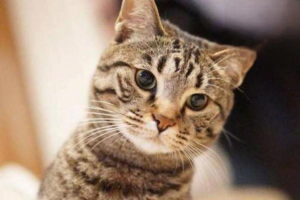
It is a common story: your cat has soft stool or diarrhea, you reach for a probiotic, and the problem does not go away. Probiotics can help the gut, but they are not a cure for every loose stool, and not every product on the shelf is what it claims to be. Understanding why they sometimes fail points you toward the real fix.
Golden Arowana Care and Husbandry
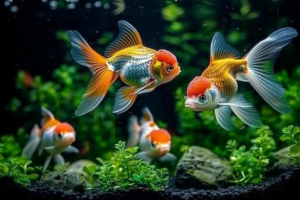
The golden arowana is a large, striking ornamental fish that needs generous space—a pond or an aquarium over 120 cm long. It prefers soft, slightly acidic water and a steady 24–26°C (28–30°C for silver and black varieties), with new and old water kept within 2°C to avoid shock. Good filtration, an air pump for oxygen, and a covered tank prevent stress and disease. Aim for 3–4 hours of sunlight daily, or 5–7 hours of full-spectrum lighting, to support growth and color. Sound husbandry—clean water, stable temperature, sensible feeding—is the best defense against the common signs of illness: dull color, sluggish swimming, and drooping eyes.

Can You Bathe a 2-Month-Old Kitten?
Bathing a 2-month-old kitten is generally not recommended. A kitten's immune system is still developing and its skin is delicate, so a bath can cause chills, skin irritation, or infection. At this age, routine cleaning—ears, teeth, and claws—is enough. If a kitten is genuinely dirty or greasy, a warm, damp cloth is safer than full immersion. Should a bath be truly necessary, keep the water warm, be gentle, avoid the eyes and ears, and dry the kitten thoroughly afterward to prevent chills. Here is what every new owner should know about the risks and the safer alternatives.