Search Results
3206 results for “Temperature”

Why Doesn’t My Cat Throw Up Hairballs
Cats groom constantly, so they swallow hair - but not every cat throws it back up. Swallowed hair usually passes with food into the stomach and on through the intestines, leaving in the stool; only when the stomach flags it as a foreign body does the brain trigger a vomit. So a cat that rarely hacks up hairballs is often just moving the hair through normally. More frequent grooming can signal fear or stress. The real concern is hairball syndrome, where a matted clump blocks the stomach outlet and causes repeated violent vomiting and dehydration - see a vet if vomiting happens many times a day. Prevent it by regular brushing, trimming long coats, and hairball-control food with extra fiber.
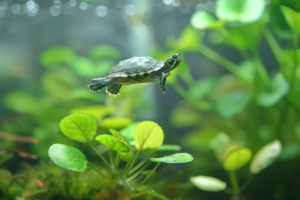
Key Points for Keeping Turtles as a Beginner
Good water, enough food, sunlight, and suitable temperature are the basics of turtle keeping and the keys to a long, healthy life. Focus on diet: choose high-quality turtle pellets for balanced nutrition and avoid processed human foods like sausage, bacon, and fried snacks, which are salty and burden the liver. Feed by size, two to three small shrimp for a hatchling, and adjust frequency with the season, roughly every one to three days and daily in hot summer.
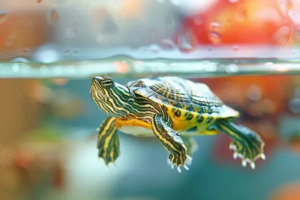
Which Turtles Are Cheap and Easy to Keep?
Popular pet turtles that are both affordable and easy include the Chinese pond turtle, red-eared slider, painted turtle, Burmese tortoise, yellow-spotted side-neck, Mississippi map turtle, flame turtle, mud turtle, and musk turtle. They resist disease and suit beginners. The Chinese pond turtle is native, interactive, and trainable; the red-eared slider is cheap, easy, and long-lived beyond twenty years; the yellow-spotted side-neck is colorful but needs a heater above 30 degrees as a tropical species.

How to Get a New Silver Arowana to Start Eating
The silver arowana is a premium tropical fish that needs patience; a new fish should rest and adjust before it feeds. Keep the water clean and stable, hold the temperature at 25 to 28 degrees Celsius with a heater, and offer high-protein food such as fresh fish or quality pellets while watching which it prefers. Give a quiet, calm environment with minimal disturbance, and if it refuses food for a long time, a little aquarium salt can curb bacteria and fungi and spark appetite.
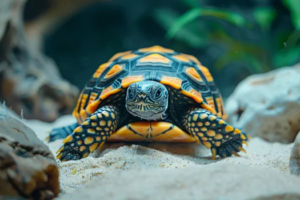
How to Build a Good Habitat for Your Turtle
A turtle needs a tank, a basking platform, and proper food, plus useful extras like a filter, basking lamp, dechlorinator, and turtle medication. Water quality and temperature are the two biggest health factors, so run a filter and use a heater to hold 25 to 30 degrees Celsius. Pick a square tank big enough for the species, give a basking spot for most turtles, treat tap water to remove chlorine, and skip risky plastic decor in favor of plants or small fish for a natural look.
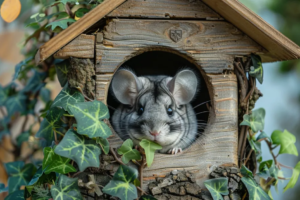
Why Is My Hamster Limp and Weak?
A hamster that feels limp and weak can have many causes, and the symptom alone is hard to pin down. Common reasons include a poor environment, low blood sugar, malnutrition, digestive trouble, or infection such as respiratory disease, liver problems, or diabetes. Offer rich nutrition and a warm, clean, well-ventilated home with room to move, and if weakness continues or comes with vomiting, diarrhea, discharge, or temperature change, take the hamster to a veterinarian.

How to Estimate a Red-Eared Slider’s Age
If you did not raise a red-eared slider from a hatchling, you cannot know its exact age, but for young sliders you can estimate it from a few clues. Each round marking on the belly scutes suggests one year, and the number of concentric rings on the shell plus one gives another estimate. Weight and shell length also track age, and clearer, darker shell rings hint at an older turtle. Sliders usually mature at three to four years at over 17 centimeters, after which aging becomes hard to gauge.

How Long Does a Hamster Cold Last?
A hamster cold usually lasts about three to five days, but the exact time depends on the individual, how severe the illness is, and the treatment given. Mild cases can recover in one to two days, while severe ones take longer. Signs resemble human colds: sneezing, runny nose, coughing, and reduced appetite, with the hamster becoming quiet and inactive. Keep the animal warm and hydrated and see a veterinarian promptly for proper care.

What to Do When Your Cat Has a Fever
Cats get fevers just like people, but a cat's fever is rarely simple - it can signal parasites, stress, bacterial infection, panleukopenia (feline distemper), feline herpesvirus, or various inflammations. A fever is not a small matter: left alone it can damage organs and even turn deadly. Telltale signs include hot ears and tail tip, a dry nose, sweaty paw pads, and a cat that suddenly prefers cool floors and dark corners while eating less and looking limp. Normal cat temperature runs 38-39C (about 39.3C in kittens); above 39.5C is a fever and above 40C is high. For a mild fever or when a clinic is out of reach, cool the paws and belly with alcohol and offer water, but never give human fever medicine, which can be fatal - see a vet for high fevers.
What to Do When a Hamster Is Restless and Wants Out
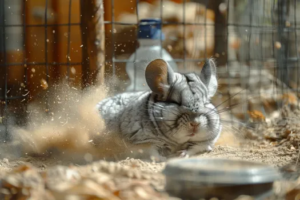
Hamsters are active, curious animals that like to explore, so constant restlessness often means their environment is not stimulating enough. Give the hamster plenty of space with obstacles, ladders, and toys to climb and play, ensure steady food and water so it is never hungry or thirsty, and keep a quiet, cozy sleeping area for daytime rest. Regular gentle interaction builds trust and helps the animal feel safe.