Search Results
3206 results for “Temperature”
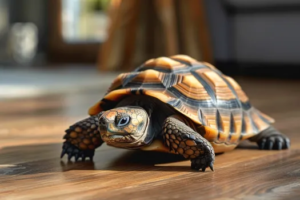
How to Care for a Hermann’s Tortoise as a Beginner
The Hermann's tortoise is a popular, beginner-friendly land tortoise, but new keepers still need to get the environment right. Aim for steady warmth—around 26–32°C by day, 18–21°C at night—using a thermostat to avoid swings, and keep humidity near 40–50%, adding moisture when the air is dry. Plenty of light matters: natural sun is best, while indoor setups need UVB and full-spectrum lamps to support appetite, digestion, and growth. Give the tortoise room to roam plus a hide for security, and wait three days after arrival before offering food so it can settle. A habitat that mimics nature is the foundation of good health.

Why Dogs Need Vaccinations
Puppies are vaccinated around two months, after the vet checks temperature and recent health to be sure the body can handle the stress. Mild reactions are normal: some diarrhea, vomiting or low spirits for a day or two - keep water available, do not force food, and add probiotics. Serious signs like itchy skin, facial swelling or red eyes mean allergy and need an anti-allergy shot, so observe at the clinic before leaving. High fever, blood in urine or seizures may mean the dog was already unwell; see a vet at once. Keep the dog warm, calm and away from others, and follow the schedule - first shots about a month apart, then yearly.

Summer Hazards for Cats
Summer is a rough season for cats. With poor sweating, they overheat fast - five minutes on hot asphalt, in a sealed space or on a sunny balcony can cause heatstroke: high temperature, fast pulse, panting, then dizziness, vomiting and coma. Move them to shade and cool with water or a fan, and rush to the vet if it does not ease. Warm weather also brings acute gastritis from spoiled food (limit water and feed easily digested fluids) and skin disease from fleas, mites and fungi - treat the cause and keep up prevention with cleaning and deworming.

What Are the Differences Between Tortoises and Sea Turtles?
Tortoises and sea turtles differ greatly in form, habitat, and habits, even though both belong to the order Testudines. Tortoises live on land, needing only occasional soaking and unable to stay in water long; sea turtles spend life at sea, coming ashore only to lay eggs and bask. A tortoise's shell is thick and domed, with short sturdy legs that bear its weight; a sea turtle's shell is thin and smooth, with long front flippers. Tortoises can pull their limbs inside when threatened; sea turtles cannot. Both are omnivorous, but tortoises eat roots, leaves, fruit, and vegetables, while sea turtles favor seaweed. Knowing these differences helps any keeper care for them correctly.
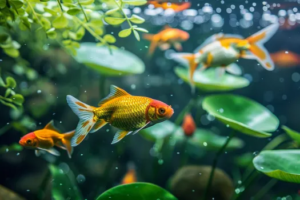
What to Do When Your Goldfish Is Swimming Upside Down
A goldfish floating or swimming upside down is alarming but common, usually caused by poor water quality, overfeeding, low oxygen, cold or fluctuating temperatures, or swim bladder disease. Act quickly to add oxygen and prevent long-term damage from suffocation. Season, temperature, water quality, dissolved oxygen, pH, feeding, and water-change frequency all affect a goldfish's health, so careful husbandry matters. You can relieve mild cases by improving water quality, boosting aeration, and raising the temperature—but if the problem is severe or persists, consult a veterinarian or an aquatic specialist for proper treatment.

A Complete Guide to Cat Diarrhea
Diarrhea is simply stool with too much water, but its causes are many: osmotic, secretory, permeability, or motility driven. It may signal gut disease or something elsewhere like the liver, thyroid, or kidneys. This guide breaks down the types, classifications, common diseases, and a sensible first-response plan.

How to Change Your Cat’s Diet
Cats under four months rarely refuse meat and need no transition, but older cats can be stubborn, so patience wins. The biggest trap is the dry-food-only cat, at high risk of kidney and urinary disease. This guide covers moving to cans, then to raw, with toppers that tempt, and why soaking kibble is risky.

Intervertebral Disc Disease in Dogs
IVDD happens when a spinal disc bulges or bursts, pressing on the cord and weakening the hind legs. Signs range from a wobbly gait to lost knee reflexes and dragging toes, and need prompt care. Treatment blends anti-inflammatory and nerve-support medication with acupuncture and heat therapy, and daily home warmth aids recovery.

Why Is My Dog’s Nose Dry?
A dry dog nose can come from dry weather, lack of water after exercise, fever, or skin infection. If the nose is dry and flaking, first check whether the dog just exercised hard and consider the weather. If there are no other signs, add water, raise room humidity, and watch for two to three days. But if dryness comes with low spirits, poor appetite, or a rising temperature, see a veterinarian or clinic promptly. A dry nose is not always illness, but do not ignore it.

Emergency Care for a Pet With Heatstroke
Dogs cool only through their paw pads and tongue, so a thick coat turns summer into a sweater; heat, humidity, no water, hard exercise, or even clothes and shoes can tip them into heatstroke. Know the signs, and if you cannot reach a clinic, cool the body safely while rushing for help. This guide covers causes, symptoms, and emergency steps.