Search Results
828 results for “Rabbit weight”
Winter Care for Rex Rabbits
Winter's cold, short days, and scarce greens threaten rex rabbits with illness and poor breeding, so hold the barn above 10°C (below 5°C is life-threatening), keep it dry and ventilated, add light, and warm kits. Feed more energy-rich food — roughly 23–25% of the diet — with nighttime meals at 60% of daily intake and some carrot or greens to avoid vitamin lack.
Common Abnormal Rabbit Droppings
Rabbit diarrhea varies by cause — simple overeating, too much protein or grain, mild fermentation, or E. coli — and each calls for a different fix built around short fasting, gut probiotics, and diet correction. Watery, foul droppings may signal the dangerous Clostridium perfringens and need immediate fluids.

Pros and Cons of Keeping Rabbits in Cages
Caging gives tight control over diet, breeding, and disease, at the cost of hutch expense and daily cleaning. Indoor cages shield from weather and predators; outdoor cages build harder, more resilient rabbits — in both, keep the cage dry, sheltered, and off the ground.
The Saibei Rabbit: A Breed Profile
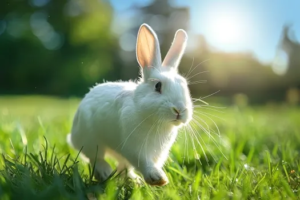
The Saibei rabbit is a large dual-purpose (meat and fur) breed developed from the French lop and Belgian hare, common across northern China. It grows fast, breeds well, and resists disease, though litters vary in colour and build; like other large rabbits it is prone to sore hocks and ear mange, and it needs ample feed plus a strong constitution for good meat quality.
How to Care for a Pregnant Rabbit
A pregnant doe needs rising nutrition — especially in late gestation — to support embryos and later milk production, with green feed increased and concentrate eased only in the final three days. Handle her gently to avoid miscarriage around days 15–20, house her alone in a quiet, dry space, and disinfect the nest box before birth.
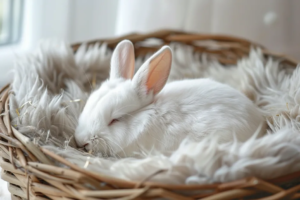
Why Should You House Rabbit Kits Separately from the Doe?
Separating rabbit kits from the doe after birth — nursing her in twice daily — protects the mother's recovery and lets her breed again within a month, stops the kits from competing for adult feed (which damages their immature guts), and sharply cuts coccidiosis and other kit diseases. After separation, watch the kits' growth (red ears = well-fed) and guard against escapes and predators.
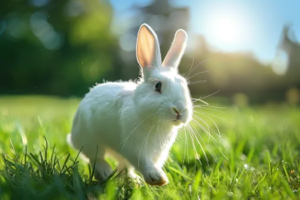
Why House Rabbits One Per Cage?
One rabbit per cage respects their strong territorial instinct and prevents fights, lets you watch each one's eating and droppings to catch illness early, stops unplanned litters of poor quality, ends competition for food and gear, and cuts disease cross-infection from crowding — so it supports healthier growth.
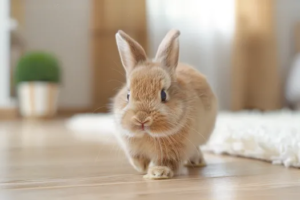
Appearance and Traits of the Giant Chinchilla Rabbit
The Giant Chinchilla is a massive, muscled rabbit — 6 to 15 kg, with a dense glossy coat in solid, tan, or dark-gray — yet it's gentle, timid, and lazy, eating modestly and sleeping long after meals. Large breeds outlive small ones, making it a calm, long-lived companion suited to older owners. Care centers on RHD vaccination at 30–45 days, four daily pellet feedings, no greens before weaning, and an alfalfa-based pellet mix.

What Are a Pet Rabbit’s Habits?
Pet rabbits are clean and dryness-loving, timid and noise-shy (a fright can stall a doe's labour), cold-hardy but heat-sensitive (adults like 15–25°C, kits 30–32°C), nocturnal feeders (up to 75% of food at night), keen burrowers, and same-sex squabblers — so give them a dry, quiet, cool, burrow-friendly home and nightly meals.
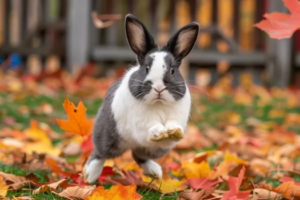
What to Feed a Nursing Rabbit to Boost Milk
Low milk in a doe usually means she needs more nutrition, and the fix ranges from lactogenic greens like dandelion and lettuce to malt, soy milk with brown sugar, crushed sesame and peanuts, or human lactation tablets. Have her eat the placenta, help with nest-building if needed, and massage the udder with a warm towel — for a stubborn case, an ovulation-hormone injection helps.