Search Results
828 results for “Rabbit weight”

Ideal Rabbit Weight
Rabbit breeds come in large, medium, and small sizes, each with its own ideal weight range. Both obesity and being underweight harm a rabbit's health—this article outlines breed-specific weight standards and how to adjust a rabbit's weight safely.
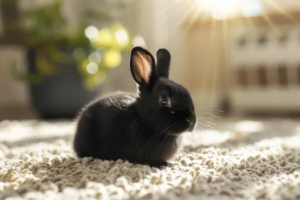
How to Keep Your Rabbit at a Healthy Weight
Both extremes hurt a rabbit — too thin means poor nutrition and weak immunity, too fat brings arteriosclerosis, fatty liver, spinal strain, sore hocks, and heart/lung load that shows up in old age. Control portions from a young age: open a small rabbit's appetite with more feed, but cap a large rabbit's intake, and keep it exercised.
My rabbit lost weight, bones show, no meat, and is weak
Weight loss alone is nonspecific in rabbits; consider parasites if not dewormed. A fecal exam at the vet identifies the parasite and guides treatment.
Why Is Your Rabbit Dragging Its Hind Legs?
A rabbit dragging a hind leg won't recover on its own — get it to a vet for imaging to rule out a fracture, then look at calcium deficiency, nerve damage, or soft-tissue injury. Fractures often come from falls, improper handling, or cage-floor pressure, and frightened rabbits can hurt themselves bolting; keep the enclosure calm and safe. Prompt, cause-specific treatment is the only way to avoid permanent paralysis.
Why Is Your Rabbit Bolting Around the Cage?
A rabbit bolting around its cage is usually a demand (hungry, bored), a heat signal, illness, or fright — and a frightened rabbit races its heart and can even die from the stress. Move it somewhere quiet, soothe it with a soft voice or a treat, keep strangers and other animals away, and if it does not settle, have a vet check for sickness.
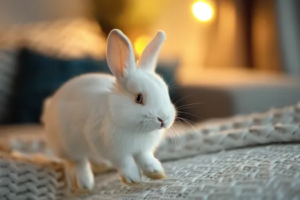
What to Do When a Rabbit Is Lethargic and Won’t Eat
A rabbit that stops eating and loses its spark is often overfed, frightened, bacterial, or battling internal parasites such as coccidiosis. Male rabbits may simply be blocked by a full bladder, while coccidiosis needs prompt antiparasitic treatment — and any unclear case belongs at the vet.
How to Correct a Pet Rabbit’s Bad Habits
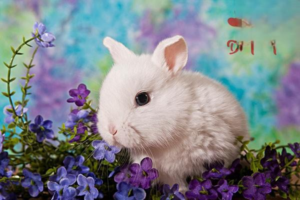
Rabbits are like children — curious and occasionally destructive — so correct misbehaviour the moment it happens, without hitting. A sharp clap or stomp to startle, a two-minute cage time-out, or a brief lift off the ground all teach the lesson; reward good behaviour and stay patient, since it takes repetition.
Daily Coat Care: Brushing Your Rabbit
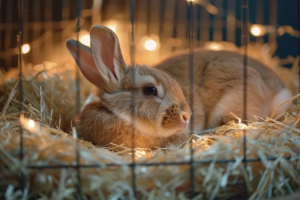
Rabbits groom themselves constantly and swallow fur, which can stall the gut and form hairballs — a condition driven less by the fur itself than by slow intestinal motility. Brushing weekly, daily during sheds, plus plenty of roughage and exercise keeps things moving and the rabbit safe.

How Does Light Affect Rabbits?
Light shapes nearly every side of a rabbit's life, but only in the right amount. Longer days advance sexual maturity and support doe fertility (aim for 14–16 hours at ≥4 W/m²), while over-lighting bucks harms sperm and weight. Moderate light also drives coat growth and the twice-yearly molt, and keeps housing dry enough to fend off parasites and fungal skin disease.
Why Light Matters for Rabbit Growth
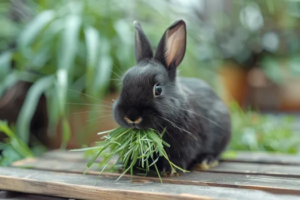
Light is essential to a rabbit's health — moderate exposure aids growth, speeds fur production, and boosts fertility, with long-haired rabbits the most dependent (artificial light can lift their yield about 35% over natural). Lean on natural light first and top up with artificial, giving breeding does around 16 hours; but keep summer sun short to avoid heatstroke.