Search Results
828 results for “Rabbit weight”

What to Do When Your Rabbit Has an Abscess
A rabbit abscess usually means Staphylococcus and can turn serious, even fatal, if the skin damage is wide. For a small one, wait until it ripens, then lance it (sterilized blade, ~1 cm cut), squeeze out all pus, flush with iodine or disinfectant, and follow with one antibiotic shot. The real fix is prevention: a subcutaneous Staph vaccine every 4–6 months, which also guards against mastitis and septicemia.

How to Improve a Buck Rabbit’s Breeding Performance
Improving a buck's breeding performance starts with selection — strong libido, even testicles, stable three-generation genetics, and no cryptorchidism — plus controlled mating (2–3/day with rest days) and a balanced, protein-rich ration raised before breeding. Avoid inbreeding, keep the herd mainly 1–3 years old, and watch temperature: over 30 °C or under 5 °C tanks fertility.

Precautions When Deworming a Rabbit Herd
Deworm the whole rabbit herd at once, treat droppings with lime milk, and clear mites from the environment so cleaned rabbits don't re-infect; support the gut with a probiotic during treatment. Use a broad-spectrum compound (ivermectin plus albendazole covers mites and internal worms), avoid toxic levamisole/trichlorfon, and dose precisely. Kits start at 40 days with a second dose 7–10 days later; breeders quarterly. Damp weather calls for earlier prevention.
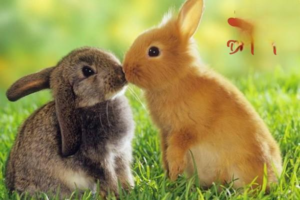
The Benefits of Keeping a Pet Rabbit
Pet rabbits — dwarves, lops, Dutch and more, under 2.5 kg, living 7–10 years — are gentle, nearly odorless, quiet, and smart enough to learn their name and litter habits, making calm nocturnal companions. Keep them in a half-meter cage in an open spot, and feed mainly hay plus quality pellets (no fresh food under 2 months; hay as the adult staple). Bonding takes effort, but the reward is years of quiet company.

Autumn Rabbit Care: Preventing Illness and Boosting Conception
Autumn is prime breeding season but brings low conception (summer heat hurt sperm quality, bucks are listless) and big day-night temperature swings that trigger colds and enteritis. Win it with six moves: rebuild condition a month early, select and refresh breeders, induce heat (physical or vitamin E/iodine/epimedium), mate at dawn/dusk with double coverage, vaccinate and keep the hutch dry, and ensure 10+ hours of light.

The Pros and Cons of Neutering a Male Rabbit
Neutering a buck mainly corrects heat-driven behavior — aggression, spraying, foot-circling, and loss of litter habits — and prevents testicular disease and unwanted litters. The trade-offs are anesthetic risk (higher in rabbits, especially older ones) and a tendency to gain weight, managed with portion control and exercise. For most owners the benefits outweigh the drawbacks.
How to Bring a Non-Cycling Doe Rabbit Back Into Heat
A doe that won't cycle has physiological, pathological, or management causes. Congenital genital defects mean culling; nutritional extremes need feed correction; ovarian cysts take progesterone (5–7 days), persistent corpora lutea take cloprostenol, and infections get postpartum antibiotics. To prompt heat, improve ventilation and buck contact, group and stimulate with a buck, use cloprostenol with pregnant-mare serum, or short-term flushing — and remember heat stress is a common trigger.

Common Causes and Treatment of Ringworm in Cats, Dogs, and Rabbits
Ringworm (dermatophytosis) is a highly contagious, zoonotic fungal infection that strikes animals with weak skin immunity — especially youngsters and those in damp, dirty surroundings — and can pass to humans. Treatment means isolating the pet, clipping and disinfecting lesions, antifungal sprays or ointments (plus oral antifungals and B-vitamins for severe cases, with liver support), and thorough environmental cleaning; rabbits need ivermectin-based mite control to prevent it. Keep the home dry and ventilated, bathe sparingly with pet shampoo, and use a little sunlight to stop outbreaks before they start.

How to Help Prevent Coccidiosis in Rabbits
Coccidia are among the most common internal parasites in rabbits and can cause serious harm, but the disease is highly preventable. The core measures are separating young rabbits from adult carriers, keeping the hutch clean and dry, following a regular deworming schedule, and supporting gut health with proper nutrition.

Rabbit Diarrhea Caused by Poor Daily Management
Many cases of rabbit diarrhea trace back to everyday husbandry mistakes rather than infection: too much concentrated feed, sudden diet changes, toxic or moldy feed, temperature swings, antibiotic overuse, and overfeeding weak kits. Matching the symptom pattern to the cause helps you fix it fast.