Search Results
772 results for “Parasite check”

Standard Gray Chinchilla
The Standard Gray Chinchilla — the original 'Totoro' — is a vegetarian rodent from the high Andes of South America. Gentle, clean, nearly odorless and long-lived (8–10 years), it needs a cage, dust baths, constant chewing material, and careful protection from heatstroke.

Koi
Koi (Cyprinus carpio) are ornamental carp kept worldwide as pond fish and symbols of good fortune. Hardy and long-lived — often 60 to 70 years — they are relatively easy to keep, but steady water quality, correct temperature, and a good diet are what keep their colors vivid and their health strong.
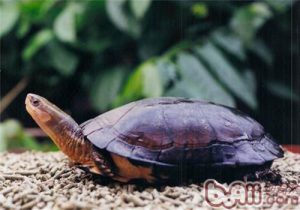
Zhou’s Box Turtle
Zhou's Box Turtle (Cuora zhoui) is a rare and precious turtle in China, found only in Guangxi and Yunnan provinces. Wild populations are nearly depleted, and most knowledge about the species comes from captive husbandry experience.
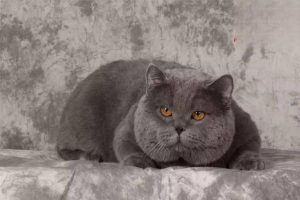
Pruritus (Itching) in Dogs and Cats: Symptoms, Causes, and Relief
Pruritus is a symptom rather than a disease, signaling an underlying problem such as parasites, eczema, diabetes, endocrine imbalance, or nutritional deficiency. Lasting relief comes from treating the root cause, not just suppressing the itch.
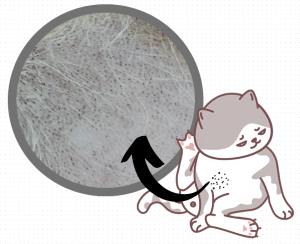
Black Dots on Your Cat’s Skin: Folliculitis, or ‘Black Chin’ and ‘Stud Tail’
Black dots on a cat's skin are usually the early sign of folliculitis, like blackheads, driven by excess sebum, blocked follicles, and bacterial infection. On the chin it is called black chin, and on the tail stud tail or oily tail, both managed with gentle localized cleaning and diet adjustments.

Lactose Intolerance in Dogs and Cats
Lactose intolerance in dogs and cats is the inability to digest lactose in milk and dairy products because of low lactase activity in the intestinal lining. It causes osmotic diarrhea, abdominal discomfort, and a gurgling abdomen after dairy is consumed, and resolves simply by removing dairy from the diet.

Epilepsy in Dogs and Cats: Symptoms, Treatment, and Prevention
Epilepsy is recurrent seizure activity from sudden abnormal electrical discharges in the brain, either inherited (primary) or caused by underlying disease (secondary). It brings brief loss of consciousness and convulsions, and is managed with anti-seizure medication and trigger avoidance.

Hydrocephalus in Dogs and Cats: Symptoms, Treatment, and Prevention
Hydrocephalus is accumulation of cerebrospinal fluid within or around the brain, from birth defects or later causes such as vitamin A deficiency, meningitis, or chronic disease. It causes dullness, poor vision, and aimless wandering, and has no specific cure beyond supportive care.

Anemia in Dogs and Cats: Symptoms, Treatment, and Prevention
Anemia is not a disease itself but a sign of many conditions in which red cells or hemoglobin fall short, depriving tissues of oxygen. Pets become weak, pale, and breathless, and treatment corrects the underlying cause while rebuilding red cells through diet, supplements, or transfusion.
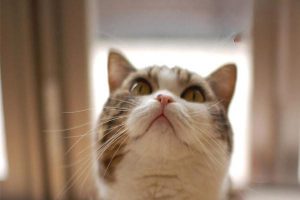
Lymphangitis and Lymphadenitis in Dogs and Cats: Symptoms, Treatment, and Prevention
Lymphangitis and lymphadenitis are inflammations of the lymph vessels and nodes, usually from infection, immune disorders, or tumors. Signs vary by location but center on swelling, pain, and systemic inflammation, and treatment targets the underlying disease.