Search Results
772 results for “Parasite check”

Is Dog Neutering Risky for Infection in Summer?
Neutering a dog in summer does raise the chance of wound infection, because heat, humidity, and heavier sweat and oil let bacteria multiply faster and slow healing, while mosquitoes and fleas add irritation. With good care, though, a summer surgery can still go smoothly. Keep the incision clean and dry, use an Elizabethan collar, limit activity, provide a dry clean space, feed quality food, control parasites beforehand, and check the wound often for swelling, discharge, or odor, seeing a vet for anything abnormal. Choose a reputable clinic for the procedure.

What to Do When Your Cat Loses Appetite in Summer
Hot weather can drop a cat's appetite, and so can warm or dry food, illness, parasites, moving, or household stress. Keep the environment cool and shaded, offer light wet food rather than hot meals, and place several water bowls around the home so a dehydrated cat can drink anytime. Gentle play and a clean living space help, as does adding a pet probiotic to the food. Favorite toppers like canned food, freeze-dried meat, or chicken can renew interest. If appetite stays poor, have a vet rule out disease or worms.

What to Do When Your Chinchilla Has Gas and Bloating
Chinchilla bloating usually comes from eating too much or too fast, poor nutrition, or digestive disease. When it happens, stop feeding briefly to ease the gut, and avoid large single meals going forward. Raise the hay ratio in the diet to add fiber and support gut movement, and gently massage the abdomen from left to right and top to bottom to help expel gas. If bloating is severe or recurring, add a pet probiotic to balance the gut flora and aid digestion. Keep the cage clean, control portions, and provide space to exercise so gas problems are less likely to return.

How to Choose a Dewormer for Dogs
Most dogs meet parasites at least once, and fleas, roundworms, and heartworm are among the most common. Deworming is not a gimmick, yet three myths—indoor dogs are safe, price equals quality, one dose lasts half a year—lead owners astray. This guide covers the three standards for choosing (spectrum, safety, value), the Collie caution with ivermectin-class drugs, and a sensible schedule: monthly external and combined coverage, internal every three months for adults, and vet-guided care for puppies, pregnant, or sick dogs. Low price need not mean low efficacy.

Red-Eared Slider Shedding but Not Eating: What to Do
A red-eared slider that sheds but stops eating may simply be reacting to the molt, or it may signal a problem with temperature, water quality, or health. First check that the habitat is right, then adjust water temperature and change water regularly. Offer varied foods like fish, lean pork, shrimp, and snails to tempt appetite, and use a dangled-food trick if it will not bite. If the fast drags on or other symptoms appear, consult a veterinarian.

Why Your Cat Eats But Stays Thin
A cat that eats plenty yet stays thin can point to a weak digestive system, high activity, picky eating, illness, or genetics. If the cat is not naturally slender but eats well without gaining weight, a vet check is wise to rule out problems and adjust diet. Some cats are simply born lean and stay healthy that way, which is no cause for worry. Either way, forcing extra weight is unhealthy.
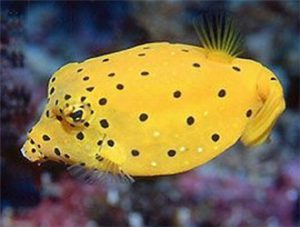
Papaya Fish
The papaya fish has a very special name and equally special looks. Its whole body is wrapped in a hard bony carapace that cannot move; only the mouth and caudal peduncle are free, so it moves very slowly.
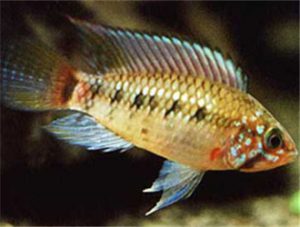
King Dwarf Cichlid
The King Dwarf Cichlid has a golden-yellow body, but unlike other dwarf cichlids it is not richly colored; still, its distinctive golden hue attracts many enthusiasts. It prefers soft water, so water quality requires attention in captivity.

Altum Angelfish (Pterophyllum altum)
The altum angelfish (Pterophyllum altum) is found in the Orinoco basin of Venezuela and Colombia. Not very hard to keep, but it needs oxygen-rich, roomy water and must not be frightened. Because it is hard to tame, artificial breeding is difficult and it should not be mixed with small fish.

Guinea Pig
The Guinea Pig (Cavia porcellus), also called the cavy, is a gentle South American rodent kept worldwide as a pet. It needs a roomy cage, a bottle, and — unlike many rodents — a diet with added vitamin C: grass hay, guinea-pig pellets, and fresh vegetables. Its teeth grow for life, so fibrous food is essential.